Top 15 Crypto Day Trading Strategies for Beginners

The cryptocurrency markets never sleep, and neither do the opportunities for skilled day traders who can read price action, spot breakout patterns, and execute scalping techniques with precision. Yet mastering crypto day trading strategies is only half the battle when you're aiming to secure funding through proprietary trading firms. Understanding how to pass prop firm challenge evaluations requires combining your technical analysis skills with risk management discipline, position sizing expertise, and the emotional control needed to meet strict profit targets while staying within drawdown limits. This article breaks down the specific day trading approaches that work best for crypto markets and shows you exactly how these strategies align with what prop firms demand during their evaluation periods.
Since different prop firms offer varying challenge structures, leverage options, and cryptocurrency pairs, finding the right match for your trading style makes a real difference in your success rate. Trading Pilot's comprehensive comparison of the best prop trading firms lets you filter through dozens of options based on what matters most to your approach.
Summary
-
Academic studies tracking traders over 300-day periods show that approximately 97% fail to maintain profitability in crypto day trading, not primarily because they lack analytical ability, but because they face execution disadvantages relative to algorithmic systems, pay spread premiums on every transaction, and operate in fragmented liquidity environments where slippage quietly erodes theoretical edges.
-
High-frequency approaches generate cumulative fee burdens that destroy profitability before market performance even matters. A trading approach generating 50 trades per week with 0.15% round-trip fees creates 200 monthly trades and a 30% cumulative fee burden on your capital base before accounting for any actual market losses.
-
The 24/7 nature of crypto markets removes natural circuit breakers that force discipline and reflection. Without mandatory closing bells or weekend breaks, traders experience constant chart exposure that triggers impulsive re-entry behavior and revenge trading patterns.
-
Leverage creates an asymmetric risk problem where upside remains capped by your target but downside accelerates exponentially. A 5% adverse move at 10x leverage wipes out half your account, while the same move without leverage remains manageable. This structural imbalance contributes directly to the 70% to 90% account failure rates seen across retail trading populations, because leverage turns small mistakes into account-ending events.
-
Execution inefficiency in fragmented crypto markets reduces real-world returns even when strategy logic is sound. Markets fragment across exchanges, creating inconsistent pricing, order-book gaps, and slippage during volatility spikes, leading to worse entry prices, delayed stop-loss execution, or partial fills in fast markets.
TradingPilot addresses this by offering a comparison of the best prop trading firms that filter platforms by fee structures, execution quality, liquidity depth, and specific strategy compatibility, helping traders avoid funding accounts at firms that fundamentally conflict with their crypto day-trading approach before losses accumulate.
Is Crypto Day Trading Profitable?

The short answer is no, not for most people. For Traders reports that 90% of day traders lose money, and cryptocurrency markets amplify every structural disadvantage that makes traditional day trading difficult. The 24/7 nature of crypto eliminates forced rest periods, fee structures erode small edges faster than traders can build them, and behavioral patterns like momentum chasing systematically place retail participants on the wrong side of reversals.
When you strip away social media highlight reels and examine actual trading data, the pattern is consistent: a small minority captures gains while the majority bleeds capital through overtrading, poor timing, and execution costs that compound with every round trip.
Retail Trading Disadvantages
Profitability in crypto day trading isn't primarily a skill problem. It's a structural mismatch between retail capabilities and market realities. Academic studies tracking traders over 300-day periods show that approximately 97% fail to maintain profitability, not because they lack analytical ability, but because they face execution disadvantages relative to algorithmic systems, pay spread premiums on every transaction, and operate in fragmented liquidity environments where slippage quietly erodes theoretical edges.
The math becomes brutal when you account for reality: a 55% win rate sounds promising until your average loss is twice your average gain, and exchange fees of 0.1% to 0.2% per trade turn a neutral strategy negative after just a few dozen executions.
Why Most Crypto Traders Lose Despite Market Volatility
Cryptocurrency's extreme price swings attract traders seeking quick profits, but that same volatility creates conditions where behavioral mistakes compound faster than in traditional markets. Retail traders adopt momentum-chasing strategies, buying after price increases have already occurred rather than anticipating moves.
Research published in the Journal of Finance Economics shows that crypto traders behave fundamentally differently from stock traders, systematically entering positions late and amplifying losses during reversals rather than protecting capital. The 24/7 trading environment removes natural circuit breakers that force reflection, creating overtrading cycles where emotional decisions override strategy.
The 24/7 Trading Trap
The seemingly advantageous continuous market access becomes a trap. Without mandatory closing bells or weekend breaks, traders experience constant chart exposure that triggers impulsive re-entry behavior and revenge trading patterns.
People who've lost substantial amounts in crypto describe the emotional exhaustion of watching positions around the clock, the disgust at recognizing manipulation too late, and the depression that follows realizing their capital is permanently gone. These aren't isolated experiences; they reflect how crypto's structural design exploits human psychology rather than rewarding analytical skill.
The Fee Erosion Nobody Calculates
Even traders who develop sound strategies underestimate how transaction costs destroy profitability at scale. A high-frequency approach might generate 50 trades per week, each incurring a 0.15% round-trip fee. Over a month, that's 200 trades and a 30% cumulative fee burden on your capital base before accounting for any actual market losses.
Retail participants compete against market makers and algorithmic systems that pay lower fees, receive rebates for providing liquidity, and execute at prices unavailable to manual traders. You're effectively paying a tax on every decision that institutions collect, a structural disadvantage no indicator or pattern-recognition skill can overcome.
Why Few Traders Stay Profitable
The minority who achieve consistent profits, around 3% based on extended tracking studies, operate closer to algorithmic frameworks than discretionary trading. They reduce trade frequency dramatically, control leverage with strict risk parameters, and avoid the emotional amplification loops that 24/7 markets create.
Short-term Bitcoin traders were profitable for 66% of 2025, but this statistic reflects specific market conditions during a bullish year, not a sustainable edge that transfers across different volatility regimes. Profitability windows close when market structure shifts, leaving strategies that worked temporarily exposed during the inevitable reversals.
Related Reading
9 Challenges of Crypto Day Trading for Beginners
The mechanics of crypto day trading break traders in predictable ways. Each challenge compounds the others, creating a structural disadvantage that explains why 90% of day traders lose money, according to Markets.com's 2023 Education Centre analysis. These aren't random failures. They're systematic breakdowns that occur when human decision-making collides with market conditions designed to exploit behavioral weaknesses.
Extreme Intraday Volatility
Crypto markets move 10% or more within hours, especially during news events or liquidation cascades. Your analysis can be directionally correct while still losing money because price hits your stop-loss before continuing in your predicted direction. Leverage amplifies these swings, turning a 5% adverse move into a 50% account loss at 10x leverage.
The problem isn't the volatility itself. It's that volatility creates unstable expected outcomes. You can't build a consistent edge when the same setup produces wildly different results based on execution timing measured in minutes. This randomness feeds directly into the loss statistics, because even skilled pattern recognition can't overcome execution variance at this scale.
Behavioral Biases Destroy Execution
Research on retail crypto trading behavior reveals consistent psychological distortions. Overconfidence after short wins leads traders to increase position sizes. Loss aversion causes them to hold losing trades too long, hoping for reversals. Momentum chasing drives late entries after trends are already exhausted.
These aren't character flaws.
-
They're hardwired cognitive patterns that surface under pressure.
-
You predict the direction correctly, but enter too late because you waited for confirmation.
-
You exit too early because the unrealized profit feels too good to risk.
-
You are increasing the risk after emotional shifts rather than following your original plan.
This explains why academic datasets tracking 300 trading days show 97% of day traders underperforming. The behavioral errors compound faster than technical skills develop. Every correct prediction gets sabotaged by timing, sizing, or exit decisions driven by emotion rather than logic.
24/7 Market Access Creates Overtrading
Traditional markets close. Crypto never does. This sounds like an advantage until you realize it removes natural circuit breakers that force discipline. Traders monitor charts constantly, take low-quality setups out of boredom, and re-enter immediately after losses instead of stepping back to reassess.
Continuous exposure creates decision fatigue.
-
Your judgment degrades after hours of chart watching, but the market keeps moving.
-
You deviate from strategy not because you changed your mind, but because exhaustion eroded your discipline.
Research on crypto retail trading behavior shows overtrading as a primary contributor to negative returns, not because the trades themselves are necessarily worse, but because frequency increases the probability of emotional mistakes.
Fee and Slippage Erosion
Exchange fees run 0.05% to 0.1% per side on most platforms. Spread widening during volatility and slippage during fast moves add hidden costs. A strategy that looks profitable on paper becomes negative after real-world execution costs.
High-frequency approaches get taxed repeatedly.
-
Small gains shrink further with each round trip.
-
Losses amplify during volatility spikes when spreads widen and execution delays increase.
This is why many retail strategies that test well in theory fail in practice. The math worked before you accounted for the friction of actually executing trades in live market conditions.
Noise-Dominated Price Action
Intraday crypto movements reflect algorithmic bots, liquidation cascades, fragmented liquidity across exchanges, and spikes in sentiment from social media. Short-term price behavior often resembles noise rather than structured patterns, especially on lower timeframes.
Technical indicators lag behind real-time movement. Breakouts frequently fail. False signals dominate intraday charts because the underlying drivers are mechanical or emotional rather than fundamental. You're trying to find signal in a system where most movement is noise, which makes consistent pattern recognition nearly impossible.
Leverage Amplifies Asymmetric Risk
Crypto exchanges offer 5x to 100x leverage depending on the platform. This doesn't improve accuracy. It only increases the probability of liquidation, emotional pressure, and drawdown speed. A 5% adverse move at 10x leverage wipes out half your account. The same move without leverage is manageable.
Leverage creates an asymmetric risk problem. Your upside remains capped by your target, but your downside accelerates exponentially. This structural imbalance contributes directly to the 70% to 90% account failure rates seen across retail trading populations, because leverage turns small mistakes into account-ending events.
Execution Risk and Liquidity Fragmentation
Crypto markets fragment across exchanges, leading to inconsistent pricing, order-book gaps, and slippage during volatility spikes. Your correct trade suffers worse entry prices, delayed stop-loss execution, or partial fills in fast markets.
Execution inefficiency reduces real-world returns even when strategy logic is sound. This is a hidden factor behind retail underperformance that doesn't show up in backtests. You can't simulate the experience of watching your stop-loss order fail to execute during a flash crash because liquidity disappeared.
Strategy Breakdown Across Market Regimes
Crypto doesn't behave consistently.
-
Bull runs create trending phases.
-
Consolidation creates sideways chop.
-
Crash cycles create high-volatility reversals.
-
Strategies that perform well in one regime often fail in another unless dynamically adjusted.
Retail traders typically stick to one strategy or over-adapt emotionally. Both approaches reduce consistency. You either keep applying a trending strategy during consolidation (which generates false signals) or abandon your system entirely when it stops working (eliminating any edge you built). The market shifts faster than most traders can adapt their approach.
Psychological Burnout from Constant Exposure
Continuous markets cause sleep disruption, constant chart-checking, and emotional fatigue. This isn't sustainable over weeks or months. Fatigue reduces discipline, patience, and adherence to rules, which, in turn, contributes to the behavioral losses observed in retail trading studies.
Avoid Mismatched Prop Firm Evaluations
Many traders waste money chasing evaluations from prop firms that fundamentally ban their crypto day-trading approach. They pay for challenges without checking whether the firm allows overnight positions, restricts news trading, or prohibits the specific strategies they plan to use. Platforms like TradingPilot filter firms based on specific rule compatibility, showing which firms allow crypto strategies, what restrictions exist, and which have verified payout track records with cryptocurrency withdrawals. This prevents wasted capital on mismatched evaluations before you even start trading.
Top 15 Crypto Day Trading Strategies for Beginners

Crypto day trading strategies don't eliminate the challenges we've covered. They structure your response to them. Each approach addresses a specific failure mode: volatility chaos, behavioral bias, execution pressure, or capital destruction. The difference between a strategy and a gamble is whether it defines your entry, exit, and risk before emotion enters the equation.
What follows isn't a menu of equal options. Some strategies reduce risk at the cost of opportunity. Others demand precision you may not yet possess. Your job is to match the structure to your actual constraints: time availability, psychological resilience, and capital you can afford to lose while learning.
1. Range Trading: Solves Volatility Chaos
Price bounces between support and resistance levels like a ball in a box. Instead of chasing unpredictable moves, you buy near the floor and sell near the ceiling. This works when markets lack directional conviction, which happens more often than most beginners expect.
The challenge it fixes: extreme intraday volatility and false breakout losses. According to Margex Blog, 95% of day traders lose money, often because they react to every spike. Range trading forces you to wait for price to come to you, reducing emotional overreaction during random spikes. You define your boundaries in advance, then execute only when price reaches them.
The limitation: ranges break. When they do, you're either stopped out or caught holding a position that's moving against you. That's why range traders set tight stop losses just beyond support or resistance, accepting small losses when the structure fails rather than hoping it holds.
2. Breakout Trading: Handles Noise-Dominated Markets
Breakout trading waits for price to escape consolidation zones with volume confirmation. You're not predicting direction. You're reacting to proof that one side won the tug-of-war. Enter only when price breaks through resistance (or support) with enough force to suggest the move has momentum behind it.
The challenge it fixes: fake signals and sideways noise markets. Crypto spends significant time in tight ranges where every move looks like the start of a trend but reverses within minutes. Breakout traders filter this out by requiring two conditions: a clear break of the range and volume surge confirming participation. This reduces low-quality trades caused by crypto randomness.
The trap: false breakouts. Price breaks resistance, you enter, then it reverses and traps you. That's why confirmation matters. Wait for a candle to close beyond the level, not just wick through it. And never chase a breakout that's already moved 3-5% without you.
3. Scalping: Works With Micro Volatility (But Controls Exposure)
Scalping takes many small trades on 1-5 minute charts, targeting tiny profit increments. You're in and out before larger swings develop, which reduces overnight volatility risk and overexposure to long market swings. The goal isn't to catch the big move. It's to extract small edges repeatedly.
The challenge it fixes: overexposure to unpredictable swings and overnight gap risk. By exiting quickly before reversals, you avoid the pain of watching a winning trade turn into a loss. Each position exists for minutes, not hours, which limits how much damage a sudden spike can inflict.
The cost: execution pressure. Scalping demands fast decisions, tight spreads, and low fees. Hesitation kills the edge. One slow entry or delayed exit erases the profit from three winning trades. Most beginners lack the psychological speed this requires, which is why starting with longer timeframes usually makes more sense.
4. Trend Following: Reduces Overtrading Bias
Trend following trades only in the direction of strong market momentum. If Bitcoin is clearly rising, you look for long entries. If it's clearly falling, you look for shorts. You avoid counter-trend noise entirely, which helps counter overtrading and revenge trading behavior.
The challenge it fixes: emotional reversal trading and FOMO entries. When you commit to trading with the trend, you eliminate half the potential setups, which forces selectivity. You're not trying to catch every wiggle. You're waiting for the market to show clear directional intent, then riding it until momentum fades.
The difficulty: identifying the trend. What looks like a trend on a 5-minute chart might be noise on a 1-hour chart. You need a consistent definition across timeframes to avoid contradicting yourself. Most trend followers use moving averages or price structure (higher highs and higher lows) to define direction, then trade only in that direction.
5. Momentum Trading: Exploits Behavioral Bias (Not Fights It)
Momentum trading enters strong directional moves and rides them until exhaustion. You're not predicting reversals. You're aligning with crowd behavior instead of fighting it, which reduces hesitation during strong moves and early exits from winning trades.
The challenge it fixes: hesitation and premature profit-taking. Beginners often exit winning trades too early because they fear reversal. Momentum traders accept that most moves overshoot, so they stay in longer, using trailing stops to lock in gains as the move extends.
The risk: late entries. By the time momentum is obvious, the move may be nearly over. You enter just as smart money exits, then watch your position reverse. That's why momentum traders use volume and price velocity to distinguish early acceleration from exhausted climax moves.
6. Mean Reversion: Fixes Overreaction in Volatility Spikes
Mean reversion assumes extreme moves revert to average. When price spikes 10% in minutes, you fade the move instead of chasing it. This works well in crypto's frequent overextensions, where panic buying or selling creates temporary dislocations that correct within hours.
The challenge it fixes: panic buying and selling during volatility spikes. Instead of chasing spikes, you trade pullbacks, betting that overshooting price moves will snap back toward equilibrium. This reduces losses from chasing exhausted momentum.
The danger: catching falling knives. Sometimes the spike isn't overreaction. It's the start of a sustained move driven by real information. Mean reversion traders get crushed when they fade a breakout that keeps running. That's why you need clear rules for when to abandon the thesis and cut the loss.
7. Risk-per-Trade Limiting (1-2%): Survival Strategy
Risk-per-trade limiting caps your loss on any single trade at 1-2% of total capital. If you have $10,000, you risk $100-$200 per trade. This prevents a single loss from destroying your account, directly addressing the 70-90% retail trader failure rate and account blowups caused by leverage.
The challenge it fixes: survival. According to Kraken Learn, a 5% adverse move on 10x leverage means a 50% loss on capital. Fixed risk limits prevent this asymmetric destruction. Even a string of losses won't end your ability to keep trading.
The psychological cost: small position sizes feel insignificant. Beginners want to "make real money," so they risk 10-20% per trade, which guarantees eventual ruin. Accepting small risk requires accepting that building an account takes time, not one lucky trade.
8. Stop-Loss Discipline: Controls Volatility Damage
Stop-loss discipline uses pre-defined exit levels with no manual emotional adjustment. You decide where you're wrong before entering the trade, then honor that decision regardless of hope or fear. This converts unpredictable volatility into manageable risk.
The challenge it fixes: sudden 10-15% crypto swings and liquidation cascades. When volatility spikes, you're already out at your stop. You don't have to make a decision under pressure. The decision was made when you were calm.
The frustration: getting stopped out right before the move goes your way. It happens constantly. Price hits your stop, you exit, then it reverses and runs without you. This feels like punishment, but it's the cost of protection. You can't have both unlimited upside and limited downside. The stop is your insurance premium.
9. Liquidity-Based Trading: Reduces Slippage Loss
Liquidity-based trading focuses on BTC/ETH or high-volume pairs only, avoiding illiquid altcoins. This improves execution reliability and reduces slippage losses caused by thin markets and price gaps during volatility.
The challenge it fixes: poor execution in thin markets. When you trade low-volume coins, your order moves the price. You want to buy at $1.00, but by the time your order fills, you're in at $1.03. On volatile days, this slippage erases your edge entirely.
The trade-off: fewer opportunities. High-liquidity pairs move less dramatically than obscure altcoins, so the profit per trade is often smaller. But consistency matters more than occasional home runs. Reliable execution beats exciting price action when you're trying to build a repeatable process.
10. Timeframe Consistency: Prevents Strategy Failure
Timeframe consistency means choosing one style (scalping, swing, or intraday) and sticking to specific chart intervals. Scalpers use 1-5 minute charts. Day traders use 5-60 minute charts. Mixing these creates contradictory trading behavior and inconsistent results.
The challenge it fixes: mixing strategies across timeframes. When you scalp on a 1-minute chart, then check the daily chart and panic because it looks bearish, you've just contaminated your decision with conflicting information. Each timeframe tells a different story. Switching between them mid-trade guarantees confusion.
The discipline required: ignoring other timeframes. If you're a 15-minute trader, the 1-minute chart is noise. The daily chart is irrelevant. You trade what your chosen timeframe shows, nothing else. This sounds simple but feels impossible when fear or FOMO kicks in.
11. News-Avoidance Strategy: Reduces Volatility Shock Risk
News-avoidance strategy means avoiding trading during high-impact news events and waiting for post-event stabilization. This protects against uncontrollable market shocks from sudden macro-driven spikes and unpredictable liquidation events.
The challenge it fixes: uncontrollable spikes in volatility. When the Federal Reserve announces rate decisions or a major exchange gets hacked, prices can move 10% in seconds. Your stop loss doesn't protect you because the market gaps through it. You're filled at a price far worse than you planned.
The cost: missing big moves. Sometimes, news creates the best trading opportunities. As a beginner, you do not yet have the speed and experience to capitalize on chaos. You're more likely to get caught on the wrong side. Sitting out is the higher-probability choice until you've survived long enough to develop real skill.
12. Position Sizing Strategy: Prevents Leverage Blowups
Position sizing adjusts lot size based on account size, avoiding fixed aggressive sizing. As your account grows, position size increases proportionally. As it shrinks, position size decreases. This reduces asymmetric loss risk and prevents liquidation from over-leverage.
The challenge it fixes: over-leverage and account liquidation. Beginners often use maximum leverage on every trade because they want to "maximize gains." But leverage amplifies losses equally. One bad trade with 20x leverage can wipe out weeks of careful gains.
The math:
-
If you risk 2% per trade and lose 10 trades in a row, you're down 18% (not 20%, because each loss is 2% of a smaller account).
-
If you risk 20% per trade and lose twice, you're down 36% and psychologically destroyed. Position sizing is survival math disguised as strategy.
13. Limited Trade Frequency: Fixes Overtrading Problem
Limited trade frequency sets a max number of trades per day and restricts execution to high-quality setups only. This directly reduces the frequency of behavioral errors caused by emotional trading, FOMO, revenge trading, and decision fatigue in 24/7 markets.
The challenge it fixes: overtrading and decision fatigue. Crypto never closes. There's always another setup, another coin, another timeframe. This creates an illusion that you should always be trading. But more trades don't equal more profit. They equal more opportunities to make mistakes.
The hard part: sitting on your hands. When you've hit your trade limit for the day but see what looks like a perfect setup, every instinct screams to take it. Discipline means honoring the limit anyway, because the rule exists to protect you from yourself, especially when you're tired or emotional.
14. Backtesting Strategy: Reduces Strategy Instability
Backtesting tests your strategy across different volatility phases and market regimes, then refines based on historical performance. This helps avoid the "works in bull market only" trap where your edge disappears the moment conditions change.
The challenge it fixes: strategy breakdown across market regimes. A momentum strategy that crushes during a bull run might bleed capital during sideways chop. If you don't know this in advance, you'll abandon the strategy right when it's about to work again, or keep using it when it's fundamentally broken.
The limitation: past performance doesn't guarantee future results. Backtesting shows what would have happened, not what will happen. Market structure changes. Liquidity shifts. Correlations break. But knowing your strategy's historical edge gives you context for when to trust it and when to step aside.
15. Journaling & Performance Tracking: Fixes Behavioral Blind Spots
Journaling tracks every trade outcome and analyzes mistakes, not just profits. This helps identify patterns behind losses, which is where real improvement happens. Most traders celebrate wins and forget losses. Journaling forces you to study both.
The challenge it fixes: emotional decision-making and inconsistent discipline. When you review your journal, patterns emerge. You realize you lose money every time you trade before 9 AM. Or that you chase breakouts but never profit from them. These insights are invisible in the moment but obvious in aggregate.
The resistance: it's tedious. After a losing trade, the last thing you want to do is write about it. But that's exactly when the journal matters most. The trades you don't want to document are the ones you need to study, because they reveal the gap between your rules and your actual behavior.
Most traders pick strategies based on what sounds exciting, not what matches their actual constraints. That's where the platform decision becomes critical, because the wrong infrastructure can sabotage even the best strategy before you execute a single trade.
How to Choose the Right Crypto Day Trading Platform in 10 Steps

The platform you choose determines whether your strategy survives contact with real markets. Execution quality, fee structures, and infrastructure stability matter more than feature lists or marketing promises. A mismatch between your trading approach and platform capabilities creates losses that no strategy can overcome.
1. Prioritize Liquidity Over Feature Lists
Higher liquidity means tighter spreads and cleaner fills. Lower liquidity creates slippage, turning winning trades into breakeven results or small losses. When you're executing multiple trades daily, the difference between a 0.02% spread and a 0.08% spread compounds into real money.
Poor liquidity shows up in delayed breakout entries and stop-losses that fill 2-3% worse than your trigger price. I've watched traders with correct directional analysis lose money because their platform couldn't execute at the prices their strategy required. The analysis was right. The infrastructure failed them.
Execution inefficiency reduces expected returns even when your market reading is accurate. That's the silent killer in crypto day trading.
2. Calculate True Fee Impact, Not Just Base Rates
Trading fees ranging from 0.1% to 0.5% vary significantly by exchange and volume tier. Most platforms charge maker fees, taker fees, and withdrawal costs separately. If you execute 20 trades daily, even a 0.15% taker fee becomes a 3% daily cost on your capital turnover.
That fee structure turns neutral strategies negative after costs. A 55% win rate with 1:1 risk-reward ratios generates zero profit when fees consume 0.3% per round trip. Scalping strategies with thin margins get destroyed by fee erosion before market conditions even matter.
Run the math on your actual trading frequency. Multiply your average daily trade count by the round-trip fee percentage. That number represents your breakeven hurdle before you've made a single correct market call.
3. Verify Security Infrastructure, Not Just Claims
Crypto exchanges have lost billions in hacks over the past decade. Platform risk isn't theoretical. It's a survival factor that determines whether your capital exists tomorrow. Cold storage usage, proof-of-reserves, withdrawal protection systems, and hack history separate serious platforms from operational risks.
Exchange downtime during volatility spikes destroys active positions. When Bitcoin moves 8% in 30 minutes and your platform goes offline, your stop-losses don't execute. Your breakout entries don't fill. You're locked into positions with no control while the market moves against you.
Security and reliability aren't separate concerns. They're the foundation that determines whether your trading strategy gets a fair chance to work. Without that foundation, execution quality becomes irrelevant.
4. Test Execution Speed and Tool Quality
Day trading requires fast order execution, advanced charting, stop-loss automation, and stable APIs. According to over 600 million users worldwide using major platforms, execution infrastructure directly affects trading performance for active traders. Poor tools cause delayed entries, missed exits, and inconsistent execution across volatile moves.
Slow interfaces amplify behavioral errors. When you can't execute quickly, FOMO intensifies. When charts lag during rapid price movement, panic exits become more likely. The platform's responsiveness shapes your psychological state during high-stress moments.
Test the platform during actual market volatility, not just calm periods. Open positions during a Bitcoin breakout. Try to exit during a sharp reversal. The platform's behavior under stress reveals its true capabilities.
5. Ensure Sufficient Market Coverage
Good platforms support BTC, ETH, SOL, and other high liquidity pairs plus stablecoins like USDT and USDC. Limited asset coverage forces you into lower-liquidity coins with higher volatility and inconsistent strategy execution. That increases exposure to noise-driven price action rather than genuine market structure.
When your platform lacks the pairs your strategy needs, you face a choice: abandon the strategy or trade in suboptimal conditions. Both options reduce your edge. The platform should expand your strategic options, not constrain them.
Check whether derivative options exist for the assets you want to trade. Futures and perpetual contracts offer different risk profiles and fee structures than spot markets. Strategy flexibility requires infrastructure that supports multiple approaches.
6. Match Platform Type to Your Specific Trading Style
Scalpers need ultra-low spreads and execution speeds measured in milliseconds. Swing traders need stable funding rates and lower fees since they hold positions longer. High-frequency traders need API stability and liquidity depth that can absorb rapid order flow without moving prices.
Platform and strategy mismatches increase failure risk even when your trading approach is theoretically sound.
-
A scalping strategy on a platform built for swing traders creates unnecessary friction.
-
A swing trading approach on a platform optimized for high-frequency execution wastes money on features you don't use while potentially lacking the charting tools you need.
The wrong infrastructure sabotages even the best strategy before you execute a single trade. This isn't about finding the best platform. It's about finding the right match for how you actually trade.
7. Use Structured Comparison Instead of Social Media Hype
One of the biggest mistakes traders make is choosing platforms based on influencer recommendations, isolated payout screenshots, or social media hype. Exchanges differ significantly in fees, liquidity, execution quality, and restrictions. A platform that works for someone else's strategy might be completely wrong for yours.
Structured comparison means filtering by fees, liquidity, trading style compatibility, and specific restrictions that affect your approach. It means checking whether the platform allows your strategy's core mechanics: news trading, holding overnight positions, EA usage, specific order types.
Platforms like TradingPilot let you compare options side-by-side across the criteria that actually matter for your trading style. This approach surfaces compatibility issues before you fund an account, and it can reveal that the platform bans your core strategy mechanics.
8. Check Regulatory Strength and Operational Transparency
Regulation affects fund safety, withdrawal reliability, and platform transparency. Top exchanges maintain licensing, compliance, and audit transparency standards that create accountability. Less regulated platforms may offer attractive features but carry substantially higher operational risk.
When an exchange lacks regulatory oversight, you have limited recourse if withdrawals get delayed, accounts get frozen, or the platform experiences technical issues during profitable trades. The regulatory framework determines your rights as a user.
Check whether the platform publishes proof-of-reserves. Verify whether independent audits confirm that customer funds exist and aren't being used for platform operations. Transparency signals operational integrity.
9. Evaluate User Experience Under Real Trading Conditions
A platform should feel fast, stable, and predictable under volatility. If the interface is slow or confusing, it increases the likelihood of execution errors, emotional trading mistakes, and overtrading behavior. Poor user experience directly contributes to behavioral trading errors.
Many traders experience frustration when withdrawals and deposits become unreliable. Platform reliability affects more than just trade execution. It determines whether you can access your capital when you need it, whether for withdrawals or to capitalize on time-sensitive opportunities.
The platform's behavior during stress reveals whether it supports disciplined trading or creates additional psychological pressure.
-
Test both mobile and desktop interfaces.
-
Check how the platform handles order modifications during rapid price movement.
-
Verify whether stop-losses execute reliably or require manual monitoring.
10. Avoid Fee-Only Decision Making
Low fees alone don't guarantee profitability. Research shows evaluation models should weigh:
-
Security (approximately 25%)
-
Liquidity (approximately 20%)
-
Fees (approximately 25%)
-
UX plus execution quality (approximately 30%)
A cheap platform with poor liquidity, bad execution, or downtime risk can cost far more than fee savings. Fee optimization matters after you've verified execution quality, security infrastructure, and platform stability. Saving 0.05% per trade means nothing if slippage costs you 0.3% per execution or if downtime locks you into losing positions during volatility.
The platform decision isn't about finding the cheapest option. It's about identifying the infrastructure that gives your strategy the best chance to work as designed. Every other optimization becomes irrelevant if the foundation fails.
Related Reading
10 Best Crypto Day Trading Platforms for Beginners in 2026
1. Binance: Best Overall for Liquidity & Execution
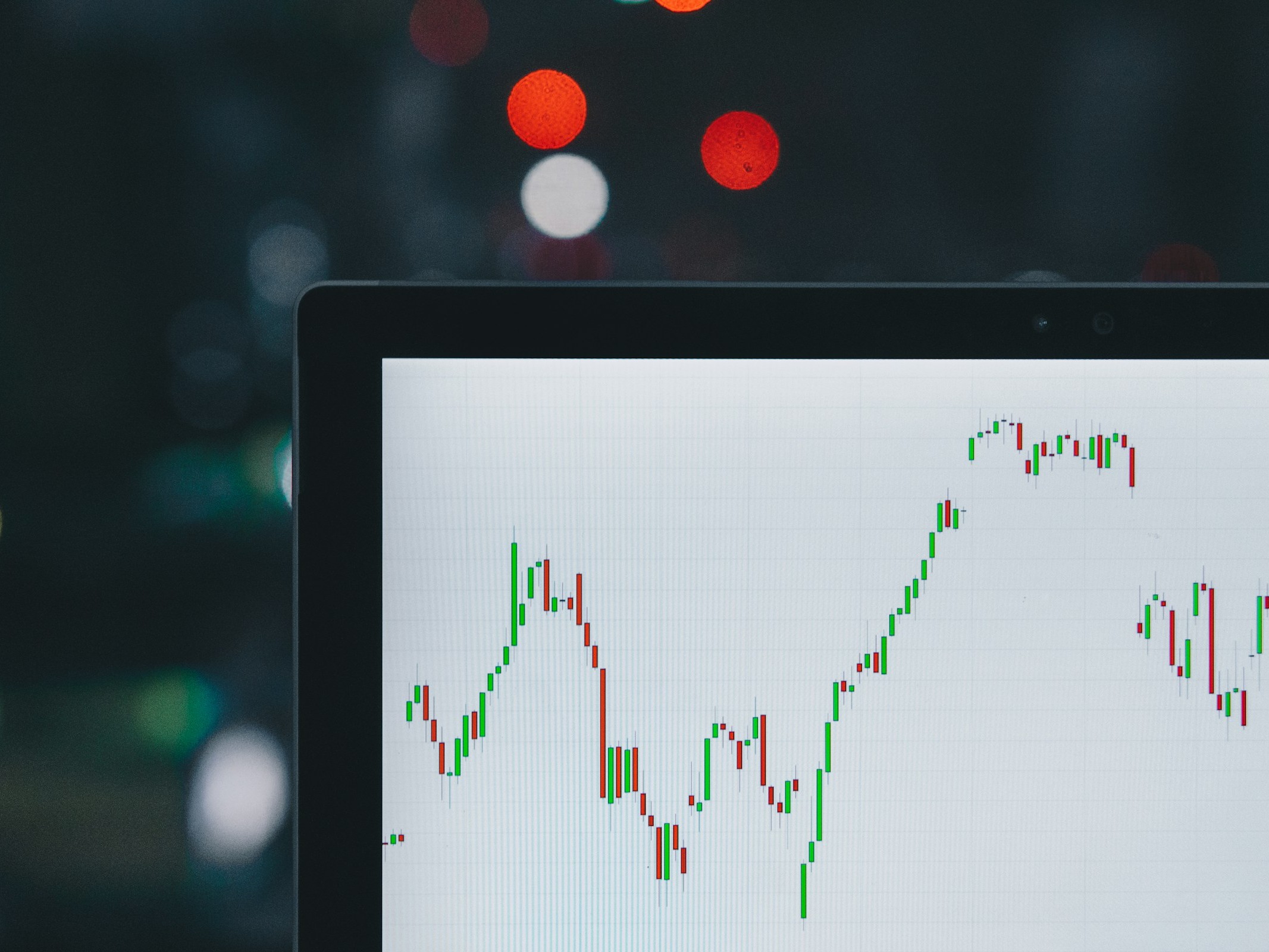
Binance continues to dominate global crypto trading volume, making it a strong choice for beginners seeking professional-grade liquidity and execution quality. The platform offers access to hundreds of trading pairs with extremely active markets, which is critical for fast intraday trading.
One of Binance’s biggest advantages is its deep order books. This helps traders get filled quickly with minimal price movement, even during volatile market conditions. Beginners often underestimate how damaging slippage can be during active trading, and Binance helps mitigate it significantly.
Why Beginners Use It
-
Extremely high liquidity across major pairs
-
Tight spreads on popular assets like BTC, ETH, and SOL
-
Competitive trading fees
-
Large ecosystem with spot, futures, and educational tools
-
Strong mobile and desktop trading interfaces
Problems It Helps Solve
-
Reduces slippage during fast price moves
-
Minimizes fee erosion from frequent trades
-
Improves order execution consistency
-
Helps traders scale into higher-volume trading later
Best For
Beginners who eventually want to transition into serious intraday trading or high-frequency crypto trading.
2. Coinbase Advanced: Best for Absolute Beginners
Coinbase Advanced is often considered one of the safest and easiest entry points into crypto trading. While many exchanges overwhelm new traders with advanced charts and complicated order systems, Coinbase keeps the experience clean and approachable.
Its beginner-friendly design helps users focus on understanding markets instead of fighting platform complexity. For people entering crypto for the first time, reducing confusion can prevent impulsive mistakes and emotional trading.
Why Beginners Use It
-
Simple and intuitive interface
-
Easy fiat deposits and withdrawals
-
Strong compliance and regulatory reputation
-
Reliable educational resources
-
Streamlined account setup process
Problems It Helps Solve
-
Reduces decision fatigue
-
Lowers security anxiety for new traders
-
Prevents overwhelm caused by excessive trading tools
-
Makes learning basic order execution easier
Best For
Complete beginners who are still learning how crypto markets function before moving into aggressive day trading.
3. Kraken: Best for Security-Focused Traders
Kraken has built a reputation around security, reliability, and operational transparency. In an industry where exchange failures and hacks remain major concerns, Kraken appeals strongly to cautious beginners.
The platform focuses more on stability than on hype, making it attractive to traders who prioritize trust and long-term platform reliability over flashy features.
Why Beginners Use It
-
Strong security reputation
-
Stable trading infrastructure
-
Transparent operational history
-
Good fiat currency support
-
Reliable customer support compared to many competitors
Problems It Helps Solve
-
Reduces fear of exchange-related risks
-
Builds trader confidence during volatile conditions
-
Helps beginners avoid unreliable trading environments
-
Improves long-term account security
Best For
Risk-averse beginners who value safety and platform stability more than aggressive trading features.
4. Bybit: Best for Fast Execution & Futures Learning
Bybit has become one of the most popular exchanges for active crypto traders due to its fast execution engine and strong futures liquidity. Beginners moving into short-term momentum trading often prefer Bybit because of its responsive trading interface.
The platform is especially useful for learning how perpetual futures markets work without dealing with overly cluttered trading systems.
Why Beginners Use It
-
Fast order execution
-
Strong perpetual futures liquidity
-
Clean trading dashboard
-
Advanced charting tools
-
Efficient mobile trading experience
Problems It Helps Solve
-
Reduces latency during fast market movements
-
Improves entry and exit timing
-
Helps traders react quicker to volatility
-
Supports smoother futures trading education
Best For
Beginners transitioning from spot trading into active futures or leverage-based intraday trading.
5. OKX: Best for Risk-Controlled Active Trading
OKX stands out because of its focus on structured trading tools and risk management systems. Many beginners lose money not because of poor market analysis, but because they misuse leverage or fail to manage exposure properly.
OKX provides tools that help traders visualize risk more clearly while balancing spot and derivatives positions efficiently.
Why Beginners Use It
-
Strong risk-management dashboards
-
Advanced portfolio tools
-
Efficient capital allocation systems
-
Balanced spot and futures ecosystem
-
Professional trading environment
Problems It Helps Solve
-
Helps manage leverage exposure
-
Improves capital efficiency
-
Encourages structured trading discipline
-
Reduces risk of emotional overtrading
Best For
Beginners who want to develop disciplined trading habits early rather than relying on impulsive trading decisions.
6. KuCoin: Best for Altcoin Exposure
KuCoin is widely known for offering access to a massive number of altcoins and emerging crypto projects. This gives traders more opportunities beyond Bitcoin and Ethereum, especially during altcoin momentum cycles.
For beginners, this wider selection can create more trading opportunities — although it also introduces greater volatility and risk.
Why Beginners Use It
-
Huge selection of altcoins
-
Early access to trending tokens
-
Active trading communities
-
Wide range of trading pairs
-
Strong global user base
Problems It Helps Solve
-
Reduces dependency on BTC-only trading
-
Expands opportunity during altcoin rallies
-
Helps traders explore multiple market sectors
-
Increases market diversity
Best For
Beginners interested in volatile altcoin trading and fast-moving speculative opportunities.
7. Bitget: Best for Copy Trading & Simplicity
Bitget has gained significant popularity through its copy trading ecosystem. Instead of forcing beginners to build complex strategies immediately, the platform allows users to observe and replicate experienced traders.
This can reduce pressure during the early learning phase while helping users understand market behavior through real trading examples.
Why Beginners Use It
-
Integrated copy trading tools
-
Beginner-friendly trading environment
-
Lower learning curve
-
Strong futures market support
-
Simplified onboarding process
Problems It Helps Solve
-
Reduces strategy paralysis
-
Helps beginners learn through observation
-
Decreases emotional trading pressure
-
Provides guided exposure to active markets
Best For
Beginners who want structured learning exposure before developing independent trading systems.
8. MEXC: Best for Low Fees & Early Listings
MEXC attracts traders primarily because of its low trading costs and fast access to newly listed tokens. For active day traders making multiple trades daily, fee reduction can significantly impact long-term profitability.
The exchange is also popular among aggressive traders searching for early-stage momentum opportunities.
Why Beginners Use It
-
Very competitive trading fees
-
Access to newly listed cryptocurrencies
-
Large selection of speculative assets
-
Frequent trading opportunities
-
Active futures marketplace
Problems It Helps Solve
-
Reduces losses from excessive trading fees
-
Creates opportunities during early momentum runs
-
Improves short-term trading flexibility
-
Helps small accounts preserve capital
Best For
Aggressive beginners comfortable with higher-risk trading environments and speculative setups.
9. Crypto.com: Best Mobile Trading Experience
Crypto.com focuses heavily on mobile usability, making it attractive to traders who prefer to manage trades directly on smartphones rather than through complex desktop terminals.
Its ecosystem combines trading, payments, staking, and fiat integration into a relatively accessible interface.
Why Beginners Use It
-
Smooth mobile trading experience
-
Beginner-friendly layout
-
Integrated fiat payment systems
-
Easy account funding options
-
Strong app ecosystem
Problems It Helps Solve
-
Reduces platform complexity fatigue
-
Helps beginners avoid confusing desktop setups
-
Simplifies account management
-
Makes crypto trading more accessible on the go
Best For
Mobile-first beginners who prioritize convenience and ease of use.
10. Gate.io: Best for Extreme Altcoin Variety
Gate.io is known for listing an enormous range of cryptocurrencies, including many small-cap and newly launched tokens. Traders seeking volatility and rapid price movements often use the platform to find opportunities before they appear on larger exchanges.
The large number of available assets also means traders must be more selective and careful.
Why Beginners Use It
-
Massive token selection
-
Access to niche crypto markets
-
Early exposure to emerging projects
-
High-frequency opportunity flow
-
Strong speculative trading environment
Problems It Helps Solve
-
Expands trading opportunities significantly
-
Allows exposure to high-volatility assets
-
Helps traders discover smaller market trends
-
Supports aggressive speculative strategies
Best For
Beginners seeking high-risk, high-volatility trading opportunities with smaller-cap cryptocurrencies.
Don’t Choose a Crypto Day Trading Platform Based on Hype Alone
Most beginners choose crypto exchanges the same way they choose coffee shops: whoever shows up first in their feed, promises the smoothest experience, or offers the best-looking rewards program. Then they discover that the platform optimized for token variety charges 0.4% taker fees, adds 0.15% slippage on volatile pairs, and executes stop losses two seconds late during sharp moves. The mismatch doesn't announce itself. It just quietly turns winning setups into breakeven trades and breakeven trades into small losses.
Match Infrastructure To Strategy
The familiar approach feels safer because everyone else seems to be using the same platforms. But crypto day trading isn't about finding the exchange with the most users or the flashiest interface. It's about matching execution infrastructure to the specific friction points your strategy creates.
If you're scalping BTC on five-minute candles, you need sub-50ms latency and maker rebates, not a platform built for swing traders holding positions overnight. If you're trading altcoin breakouts, you need deep order books on mid-cap pairs, not just tight spreads on BTC/USDT.
Compare Platforms Before Funding
That's where best prop trading firms become useful. Instead of manually testing platforms with real capital and discovering execution problems after losses accumulate, you can compare exchanges side by side based on fee structures, liquidity depth, execution speed, and compatibility with high-frequency strategies.
Platforms like TradingPilot filter based on the exact trading challenge you struggle with most, whether that's slippage on stop losses, fee erosion from overtrading, or latency during volatility spikes. The comparison process takes minutes and helps you avoid paying evaluation fees for platforms that fundamentally conflict with your approach.
Choose Based On Trading Behavior
The best next step isn't complicated. Run a quick platform comparison based on your actual trading behavior. Search for "low-fee crypto scalping platforms" if you're executing dozens of trades daily, or "high-liquidity exchanges for day trading" if slippage keeps destroying your edge.
In a few minutes, you can identify platforms that reduce the structural problems discussed throughout this guide, instead of discovering hidden execution issues after you've already funded an account and started trading real money.
Build On The Right Foundation
The platform decision isn't about finding the cheapest option or the one with the most marketing budget. It's about identifying the infrastructure that gives your strategy the best chance to work as designed, without fee erosion, slippage variance, or execution delays quietly destroying profitability before you even notice. Every other optimization becomes irrelevant if the foundation fails from day one.
Related Reading
-
Best Prop Trading Challenges With No Hidden Fees