
14 Best Free Trial Prop Firms in 2026

Every trader with skill and discipline faces the same frustration: limited capital. You might have a winning strategy and the experience to execute it, but without substantial funds, your profits remain small. Free trial prop firms offer a solution by providing access to Funded Account Trading opportunities, letting you prove your abilities with simulated capital before potentially trading real money. This article walks you through how these trial programs work, what to look for when evaluating different firms, and which platforms actually deliver on their promises so you can find the best prop firms and compare them effectively.
Finding the right proprietary trading firm shouldn't mean endless research and guesswork. TradingPilot simplifies your search by bringing together comprehensive reviews, side-by-side comparisons, and transparent rankings of the best prop trading firms available today. Whether you're comparing profit splits, evaluating challenge rules, or checking withdrawal policies, you'll discover which firms align with your trading style and goals without wasting time on platforms that don't measure up.
Summary
-
Only 10% of traders pass their first paid prop firm challenge, according to industry data, meaning nine out of ten lose their entry fee immediately. Most failures happen not because traders lack profitable strategies, but because they violate daily drawdown limits or trade during prohibited periods they didn't fully internalize.
-
Free trials transform evaluation odds by letting traders practice under a firm's exact rule structure before spending $150 to $400 on an attempt. Firms offering trials understand that traders who practice first-pass paid challenges at higher rates mean funding more accounts and collecting ongoing profit splits instead of one-time challenge fees.
-
Trial value comes from discovering how specific firms calculate drawdowns, since some measure from the starting balance, while others track from the highest equity point during the day. That difference fundamentally changes position sizing requirements.
-
Most traders attempt five to seven paid challenges before passing, spending $750 to $2,000 learning lessons they could absorb for free through proper trial use. Each failed attempt teaches something about rule enforcement, emotional triggers, or strategy weaknesses under constraint.
-
Trial duration must match your strategy's feedback cycle to provide meaningful data. A seven-day trial works for scalpers executing 20 trades daily but fails completely for swing traders whose setups appear twice weekly and require three to five days to play out.
TradingPilot helps traders compare which prop firms offer trials that genuinely mirror paid challenges, rather than watered-down demos with relaxed rules, by filtering by trial duration, drawdown calculation methods, and platform execution speeds.
Do Prop Firms Give Free Trials?
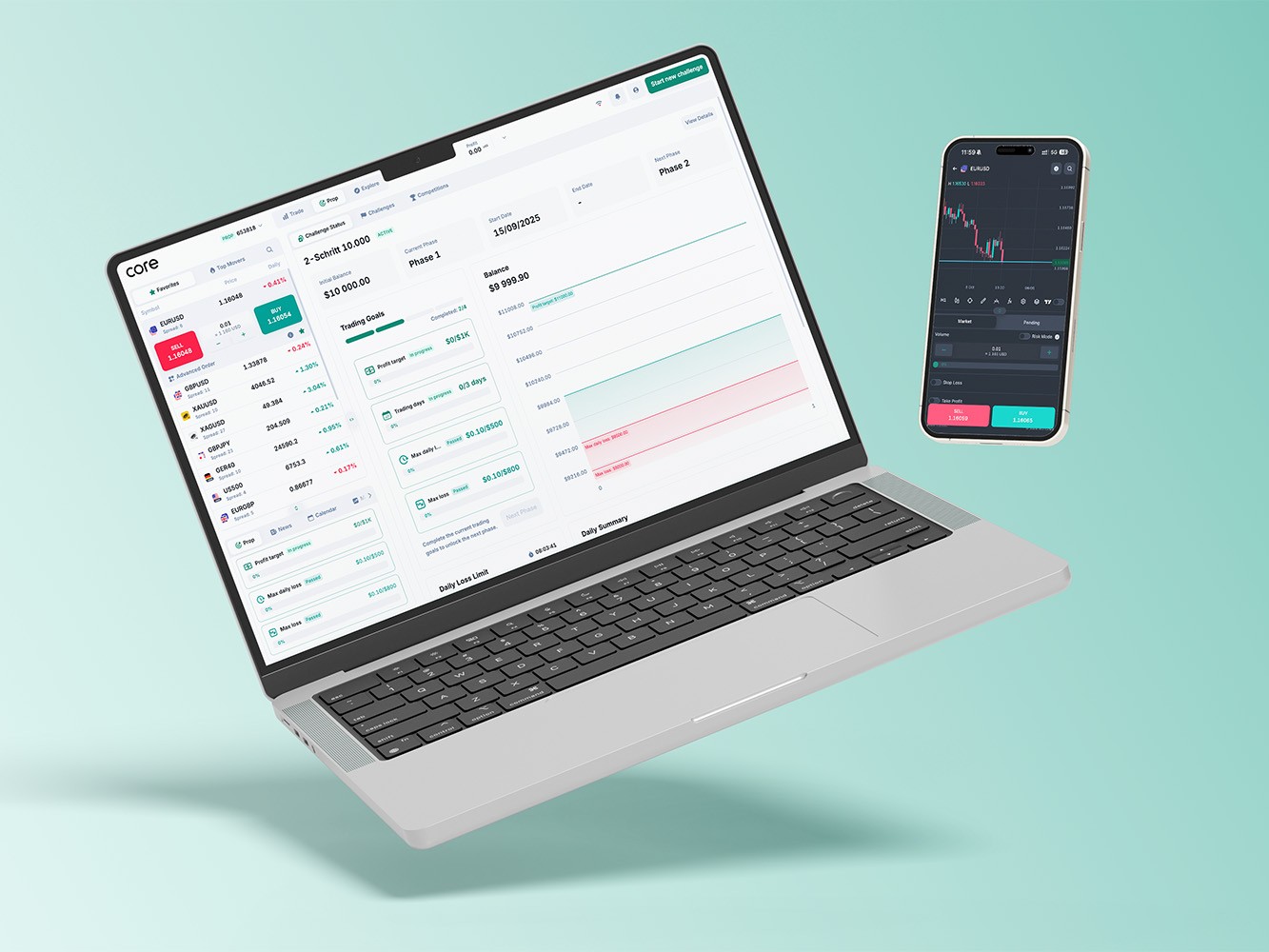
Yes, several proprietary trading firms offer free trials, though they're less common than paid evaluation programs. Prop trading firms currently offer free trials, allowing traders to test their platforms and rules without upfront costs. These trials typically simulate real challenge conditions, including drawdown limits, profit targets, and platform interfaces, giving you a genuine preview before committing financially.
Building Proficiency Through Risk-Free Rule Testing
The firms offering free trials understand something critical: most traders fail their first paid attempt not because they lack skill, but because they don't understand the specific rule structure.
Free trial accounts allow traders to test strategies without financial risk, which fundamentally changes how you approach learning a firm's requirements. When you can practice tracking daily drawdowns, managing profit targets, and navigating platform quirks without paying $150 to $400 per attempt, you're building muscle memory that translates directly to paid performance.
How Free Trials Actually Work
Free trial structures vary significantly between firms. Some offer time-limited demo accounts (7 to 14 days) that mirror their paid challenge environments exactly, complete with simulated capital, real-time data feeds, and identical rule enforcement. Others offer limited-feature trials that let you practice with smaller account sizes or shorter timeframes.
The most valuable trials replicate every constraint you'll face in the paid version:
-
Same maximum daily loss limits
-
Same overall drawdown thresholds
-
Same prohibited trading hours or news event restrictions
Revealing Behavioral Gaps Under Specific Constraints
What makes these trials meaningful isn't the practice itself. It's the discovery of how you actually behave under that firm's specific pressure. You might trade profitably on your personal account but violate a 5% daily drawdown limit three times in a trial week, revealing that your position sizing needs adjustment before you pay for a real attempt. That insight alone can save you multiple failed challenge fees.
The Economics Behind Offering Trials
Prop firms offering free trials aren't being generous; they're being strategic. When traders practice first, they pass paid challenges at higher rates, which means the firm funds more accounts and collects more profit splits from successful trading.
Failed challenges generate one-time revenue; funded traders generate ongoing income. Firms like FTMO and FundedNext have realized that traders who understand their rules through trial practice become better long-term partners than those who repeatedly fail and eventually give up.
The Strategic Value of Free Trials
The traditional model assumes traders will pay multiple times before succeeding, extracting maximum challenge fees before funding anyone. Free trials flip that equation. They filter out traders who would never adapt to the rules anyway, while preparing serious traders to pass faster.
For you, this means firms offering trials are often more confident in their evaluation structure and more interested in your long-term success than in collecting repeated challenge fees.
Platform Comparison and Trial Evaluation
When you're comparing firms, the presence of a free trial signals something about their business model. Platforms like TradingPilot help you identify which firms offer genuine trial access versus marketing gimmicks, comparing trial durations, feature limitations, and how closely trial conditions match paid challenges.
You can filter by firms that let you test their exact platform and rules before spending anything, then evaluate whether their profit splits, scaling plans, and withdrawal policies justify moving from trial to paid challenge.
But knowing free trials exist doesn't explain why they matter so much to your actual odds of success.
Related Reading
Why are Free Trials Important in Prop Firms

Free trials transform your approach from gambling on challenge fees to testing under actual conditions. They let you experience a firm's exact rule structure, platform execution, and psychological pressure before spending $150 to $400 on an attempt you might fail within three days.
According to the FunderPro Blog, only 10% of traders pass their first paid challenge, which means nine out of ten people lose their entry fee immediately. Trials shift those odds by letting you practice the specific constraints that cause most failures.
They Expose Rule Violations Before They Cost You
Most traders don't fail because they can't trade profitably. They fail because they violate a daily drawdown limit they didn't fully internalize, hold a position through a news event the firm prohibits, or overtrade on day two, trying to recover from day one. Free trials surface these behavioral patterns in a consequence-free environment.
You might discover you consistently breach the 5% daily loss threshold when your win rate drops below 60%, or that you struggle to stop trading after hitting the profit target for the day. That self-awareness, gained through trial practice, prevents the expensive mistake of paying for a challenge you're not yet disciplined enough to pass.
They Reveal Platform Execution Realities
Every prop firm uses slightly different platforms, data feeds, and execution speeds. Some run on MetaTrader 4; others use proprietary software with unique order-entry systems or charting tools. A trial lets you test whether your strategy actually executes the way you expect on their infrastructure.
Slippage tolerances, order fill speeds during volatile periods, and available trading instruments all vary between firms. When you practice on the exact platform you'll use in the paid challenge, you eliminate technical surprises that derail performance during evaluation.
They Build the Discipline, Paid Pressure Destroys
The moment real money enters the equation, your decision-making changes. Traders who perform well on personal demo accounts often collapse under challenge conditions because financial pressure triggers impulsive trades, revenge trading after losses, or paralysis during drawdowns.
Free trials don't replicate that pressure perfectly, but they do enforce the same rule structure, which trains you to operate within constraints. You learn to track your daily loss percentage in real time, to close positions before hitting limits, and to resist the urge to chase profits beyond your target. That muscle memory transfers directly to paid attempts.
Trial Authenticity and Environment Replication
Platforms like TradingPilot help you identify which firms offer trials that genuinely mirror their paid challenges versus those that provide watered-down demos with relaxed rules or limited features. You can compare trial durations, account sizes, and whether the trial enforces identical drawdown limits and profit targets as the real evaluation.
This transparency matters because a trial that doesn't replicate actual conditions wastes your preparation time and gives you false confidence before a paid attempt.
They Compress the Learning Curve That Drains Your Capital
Most traders attempt five to seven paid challenges before passing, which means they're spending $750 to $2,000 learning lessons they could have absorbed for free. Each failed attempt teaches you something about the firm's rules, your emotional triggers, or your strategy's weaknesses under constraint.
Free trials condense that expensive education into a single practice period. You iterate faster, adjust your approach without financial penalty, and enter your first paid challenge with the experience level of someone who's already failed three times, except you haven't lost anything yet.
Tips to Make the Most Out of the Prop Firm Free Trial
Your free trial only matters if you treat it like the diagnostic tool it is, not a casual practice session. The goal isn't to see if you can trade profitably under relaxed conditions. It's to discover exactly where you'll break under the firm's specific constraints before paying the expensive way to find out.
That means deliberately testing your limits:
-
Pushing close to daily drawdown thresholds
-
Practicing position sizing under their leverage restrictions
-
Tracking whether you can consistently stay within their prohibited trading hours
You're not trying to impress anyone during a trial. You're trying to fail safely, identify your weaknesses, and fix them before real money enters the equation.
Understand the Prop Firm's Rules Like They're Your Job Description
Prop firms don't profit from traders who blow accounts. Their business model depends on funding disciplined traders who generate consistent returns, which means their rules exist to filter out anyone who can't manage risk responsibly.
According to FunderPro, only 10% of traders pass their first paid challenge, and most failures happen because traders violate drawdown limits or trade during prohibited periods, not because they lack profitable strategies. Before you place a single trial trade, read the firm's complete rules twice.
Drawdown Parameters and Risk Management
Know the maximum daily loss percentage, the overall drawdown threshold, whether they calculate drawdown from balance or equity, and if certain trading styles like news trading or holding overnight positions are restricted. Write down the exact numbers. If the daily loss limit is 5%, calculate what that means in dollar terms for your trial account size, and set platform alerts at 3% so you have warning space before breaching.
Have a Plan That Matches Your Actual Availability
Diving into a trial without a structured trading plan is like showing up to a job interview without researching the company. You're wasting the one chance you have to learn in a consequence-free environment. Your plan needs to account for how much time you can realistically dedicate to trading each day, because that determines which strategy will actually work for you.
Lifestyle Alignment and Process Execution
If you have two hours in the morning before work, scalping major currency pairs during the London-New York overlap makes sense. If you can only check positions twice daily around a full-time job, swing trading becomes your only viable approach. The trial reveals whether your lifestyle and your chosen strategy are compatible with the firm's profit targets and timeframes.
Pick your currency pairs in advance, stick to majors like EUR/USD or GBP/USD if you're new, because liquidity keeps spreads tight, and define your entry and exit criteria before the trial starts. This isn't about trading perfectly. It's about proving to yourself that you can execute a repeatable process under the firm's rule structure.
Prioritize Risk Management Over Profit Maximization
Most traders enter trials trying to hit profit targets as fast as possible, which is exactly the wrong way. The firms you're evaluating care far more about how you manage losing trades than how you capitalize on winning ones. Keep your risk per trade at one to two percent of account balance, no higher, even if it feels conservative.
Risk Discipline and Parameter Consistency
Define your stop-loss and take-profit levels before entering every position, and never move a stop-loss further away from your entry to avoid getting stopped out. That single behavior, shifting stops to delay accepting a loss, destroys more trial attempts than any other mistake. When you do take a loss, step away from the screen for at least thirty minutes. The urge to immediately place another trade to recover what you just lost is revenge trading, and it compounds mistakes instead of correcting them.
Platforms like the best prop trading firms let you compare how different firms calculate drawdowns and enforce risk limits, so you can practice under the exact conditions you'll face in a paid challenge rather than generic demo rules that don't transfer.
Establish a Trading Routine That Survives Real Pressure
Treat your trial as if you're already trading with a funded account. Trade during the same hours you would if this were real, review the same economic calendars, and follow the same pre-market and post-market routines. If you're trading USD, EUR, or GBP pairs, the highest volatility and liquidity occur during the 8-9 am and 5-6 pm windows when major exchanges open and close.
Routine Discipline and Strategic Restraint
Build your routine around those times if they fit your schedule. Start each session by checking open positions, then review relevant news or data releases that could impact your pairs. If you use technical analysis, update your charts and identify key support and resistance levels before considering new trades.
The critical discipline is this: never trade just to be active. If your setup isn't present, if the market doesn't match your plan's conditions, you sit out. That restraint, the ability to do nothing when conditions don't favor your strategy, is what separates traders who pass evaluations from those who repeatedly fail them.
Track Your Performance With the Same Rigor You'd Apply to a Business
Every trade you place during the trial should go into a journal:
-
Entry price
-
Exit price
-
Position size
-
Reasoning for the trade
-
Emotional state when you placed it
After a week, patterns emerge. You might notice that you win 70% of trades placed before 10 am but only 40% of trades placed after 3 pm, revealing that fatigue degrades your decision-making quality. Or you discover that every time you violate your two-percent risk rule, the trade loses, which proves that your position-sizing discipline directly predicts outcomes.
Operational Adjustments and Risk Mitigation
These insights are worth more than the trial itself because they tell you exactly what to fix before paying for a challenge. If you identify that you consistently breach daily drawdown limits on Fridays, you know to either skip Friday trading or reduce position sizes that day. Adjustments made during a trial cost nothing. The same lessons learned during a paid challenge cost you another entry fee.
But knowing how to practice only matters if you're practicing with the right firm in the first place.
How to Choose the Right Free Trial Prop Firm
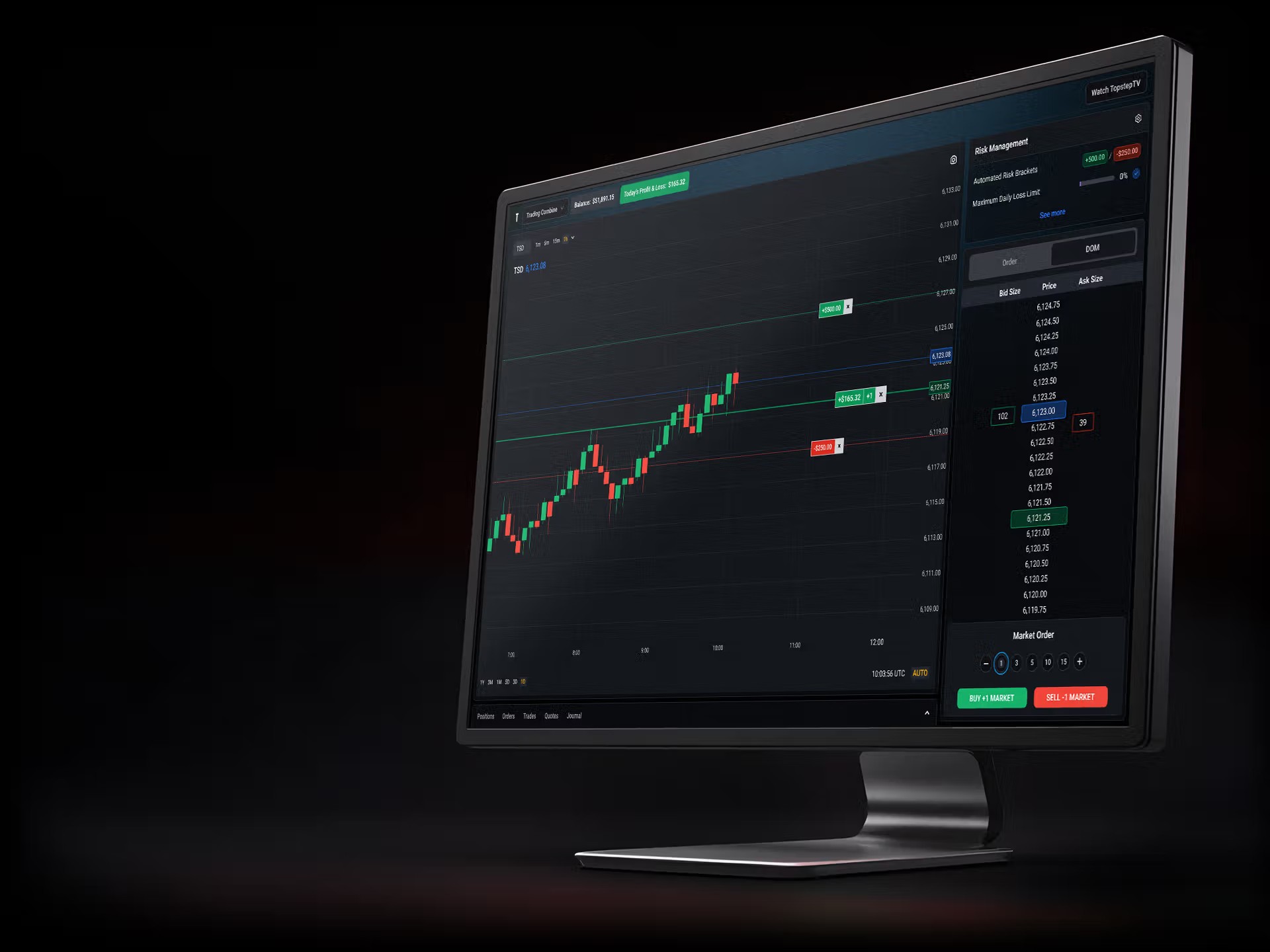
Choosing a free-trial prop firm means evaluating whether its specific constraints align with your actual trading behavior, not just whether free sounds appealing. The right trial replicates the exact conditions you'll face in a paid challenge, from drawdown calculations to platform execution speed, so you can discover your breaking points before they cost you money.
A wrong choice wastes your preparation time on rules that don't carry over or on platforms that behave differently when real capital enters the equation.
Match Evaluation Rules to Your Risk Tolerance First
Start by examining how each firm calculates and enforces drawdown limits. Some firms measure daily drawdown from your starting balance, others from your highest equity point during the day. That difference changes everything about position sizing. If you typically risk 2% per trade and the firm uses equity-based drawdown tracking, a winning trade that later reverses can push you into violation territory even though your balance never dropped 5%.
Firms offering 80% profit splits often pair that generosity with tighter drawdown enforcement, meaning higher rewards come with stricter risk-management requirements. Write down the exact daily and total drawdown percentages for each trial you're considering, then calculate what those mean in dollar terms for your typical position sizes. If your strategy requires breathing room during intraday volatility, a firm with 4% daily limits won't work, no matter how attractive their profit split looks.
Verify the Trial Mirrors Real Challenge Execution
Some firms market free trials that run on simplified platforms or relaxed rule enforcement, which teach you nothing useful. The trial should use the identical trading platform, data feeds, and order execution system as their paid challenges. Test whether your entries fill at the prices you expect during volatile periods, such as major economic releases.
Check if the platform allows the same order types you rely on, whether stop-loss orders execute consistently, and if slippage during fast markets matches what you'd experience with real capital. A trial that feels smooth but doesn't replicate the friction of actual trading gives you false confidence. You want to discover problems now, such as your broker's platform lagging during NFP releases or your scalping strategy not meeting their minimum hold time requirements.
Compare Firms Using Transparent Data, Not Marketing Claims
Most traders pick trials based on whichever firm's YouTube ad they saw most recently, which is backward.
Platforms like the best prop trading firms let you filter by actual trial features:
-
Duration length
-
Account size
-
Whether news trading is permitted
-
How closely do trial rules match paid evaluations
You can compare maximum drawdown allowances, profit target difficulty, and available trading instruments side by side across multiple firms.
Trial Discrepancies and Performance Validity
This matters because firms structure trials to highlight their strengths while obscuring their limitations. One might offer a 14-day trial with relaxed profit targets but enforce stricter drawdown rules in paid challenges. Another might perfectly replicate challenge conditions, but only give you seven days, which isn't enough time to observe whether your strategy performs consistently or if you just got lucky twice.
Test Your Emotional Discipline Under Their Specific Pressure Points
Use the trial to deliberately stress-test your weakest psychological patterns. If you know you're going to revenge trade after losses, take a planned loss early in the trial and track whether you can follow your rules for the next three trades. If you struggle with overtrading when markets are choppy, practice sitting out during low-probability setups even when you feel the urge to be active.
The goal is to discover which of the firm's rules you'll violate under pressure, then build systems to prevent those violations before paying for a challenge. Track not just whether you stay within drawdown limits, but how close you come to breaching them and what emotional state triggers those near-misses. If you consistently hit 4.2% daily drawdown in a trial with a 5% limit, you're one bad fill away from failure in the paid version.
Align Trial Duration With Your Strategy's Feedback Cycle
A seven-day trial works for scalpers who execute 20 trades daily and can quickly gather statistically meaningful data. It fails completely for swing traders whose setups appear twice a week and require three to five days to play out. Match the trial length to how long your strategy needs to prove itself.
If you're trading on daily timeframes and holding positions overnight, you need at least two weeks to capture enough complete trade cycles to determine whether your approach works within the firm's constraints. Shorter trials force you to either abandon your actual strategy to generate data or waste the trial period waiting for setups that never arrive.
Related Reading
14 Best Free Trial Prop Firms in 2026
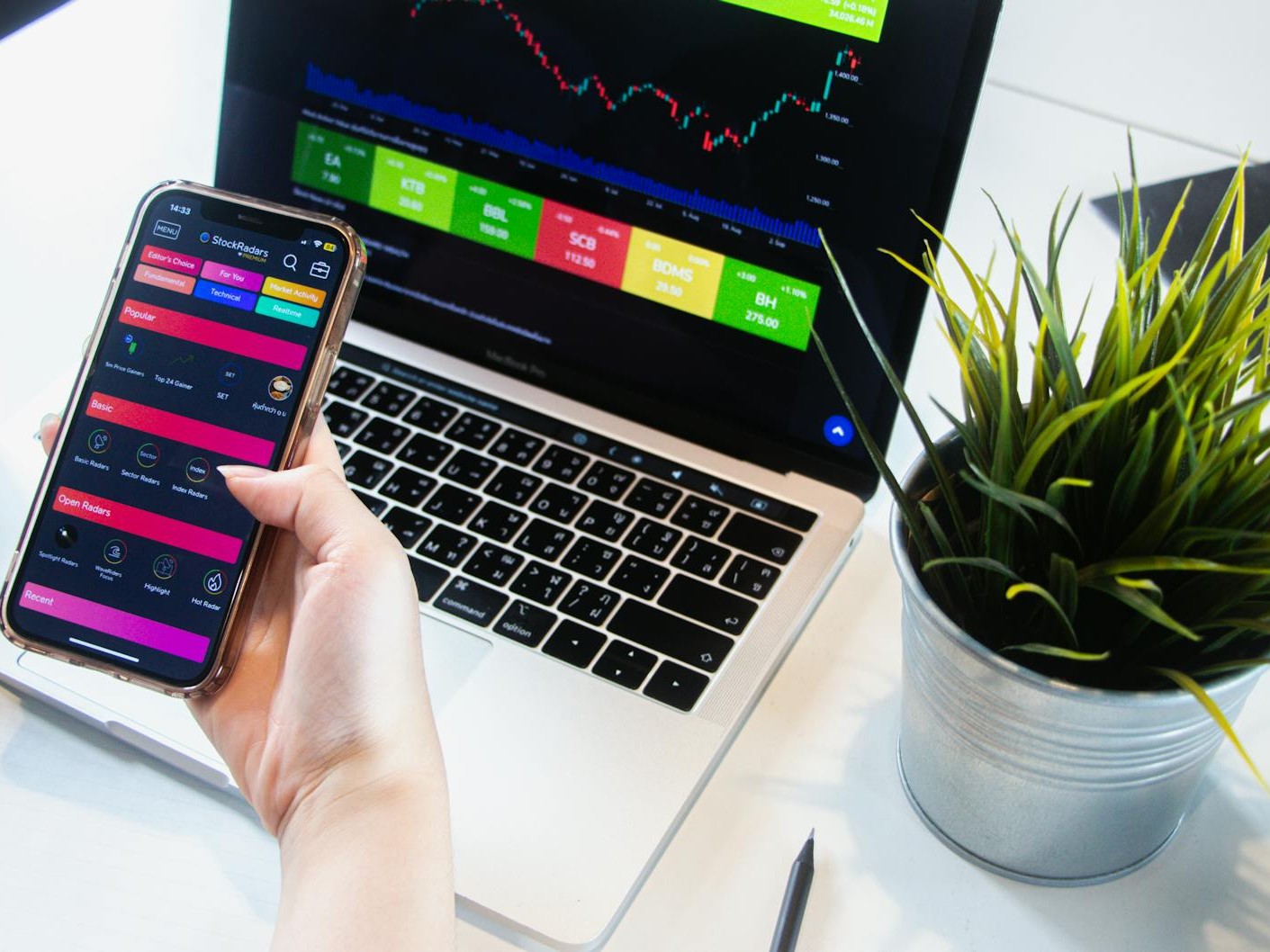
1. FundedNext
FundedNext structures its trial to mirror real evaluation pressure without requiring upfront payment. You work inside a simulated account that enforces familiar prop-style constraints: profit targets paired with maximum daily and overall loss limits.
The trial uses the same platform interface, order execution system, and rule enforcement as their paid challenges, which means you discover how you actually behave under their specific drawdown calculations before spending money to find out.
Performance Metrics and Risk Identification
The value here isn't practice for its own sake. It's discovering whether you can track daily loss percentages in real time, close positions before breaching limits, and resist overtrading when your win rate drops.
Those behaviors determine whether you pass evaluations, and FundedNext's trial surfaces your weaknesses in a consequence-free environment. If you consistently hit 4.8% daily drawdown in a trial with a 5% limit, you know exactly what to fix before paying for a challenge.
2. FunderPro
FunderPro offers one of the cleanest trial structures available. Their trial replicates actual evaluation conditions, including leverage ratios, drawdown enforcement, and daily profit targets. You get access to MT4 and MT5, a responsive dashboard, and performance analytics that show where you're violating rules or approaching limits.
The platform's execution speed during volatile periods matches what you'll experience in paid challenges, which eliminates technical surprises when real capital enters the equation.
Constraint Transparency and Evaluation Readiness
What separates FunderPro from firms offering watered-down demos is transparency. Their trial enforces the same constraints as paid evaluations, so the discipline you build transfers directly. If your strategy requires breathing room during intraday volatility, you discover that during the trial, not after paying $200 for a challenge you'll fail on day three.
Their competitive evaluation pricing makes the transition from trial to paid attempt straightforward once you've proven you can operate within their rules.
3. AquaFunded
AquaFunded doesn't provide traditional free trial accounts. Instead, they focus on paid evaluation challenges that assess trading skill through strict rule enforcement.
If you're refining a strategy before committing to a paid evaluation, you need to validate your approach under constraints that mirror their actual requirements:
-
Daily loss limits
-
Overall drawdown caps
-
Minimum trading day requirements
Testing in a generic demo account won't prepare you for AquaFunded's specific rule structure.
Scaling Potential and Risk Parameters
Traders who pass AquaFunded's evaluations access funded accounts ranging from $2,500 to $200,000, with potential scaling to $2 million for consistent performers. The firm offers four challenge types (1-Step, 2-Step Standard, 2-Step Pro, and 3-Step) with profit targets ranging from 5% to 12%. Risk controls include a maximum daily loss limit of 5% and a total drawdown cap of 10%. Without a free trial to practice these constraints, you're paying to learn lessons that cost nothing if discovered beforehand.
4. TradeDay
TradeDay provides a hybrid trial system where traders practice in a sandbox environment that mirrors their real evaluation structure. The platform emphasizes both trade performance and psychological discipline, offering email coaching and detailed analytics while you test your approach.
You experience the same daily drawdown limits and profit targets as their actual challenges, which means the trial reveals whether your strategy survives their specific constraints.
Support Resources and Strategic Testing
The trial includes support resources that most firms reserve for funded traders. You get feedback on rule violations, insights into your emotional triggers during drawdowns, and guidance on adjusting position sizing.
TradeDay allows both expert advisors and discretionary strategies during the trial, so you can test automated systems or manual approaches without restriction. This works well if you're still developing discipline but want realistic feedback on how you'd perform under evaluation pressure.
5. TopStep
TopStep offers a genuinely risk-free 14-day trial that replicates Trading Combine conditions. The trial runs for two weeks, giving you enough time to test multiple strategy iterations and observe whether your approach performs consistently or if you just got lucky twice. LuxAlgo Blog notes that firms offering up to $2,000,000 in funding typically enforce stricter consistency requirements, which TopStep's trial helps you practice before attempting their paid program.
Rule Internalization and Trial Flexibility
During the trial, you manage $150,000 in simulated funds under identical rules to their Trading Combine: hit your profit target while staying within the Maximum Loss Limit, with a minimum of two profitable trading days required.
The trial includes a reset option that lets you adjust your approach mid-trial without financial penalty. That flexibility matters because most traders need multiple attempts to internalize how TopStep calculates drawdowns and enforces their consistency rules.
6. FTUK
FTUK structures its free trial for traders who want to simulate real funding conditions without the pressure of evaluation. The firm provides flexible funding options and affordable challenge pricing, and their trial gives you access to 1:30 leverage, a straightforward dashboard, and simple consistency rules.
Unlike firms that complicate trials with dozens of restrictions, FTUK keeps constraints minimal:
-
Stay within drawdown limits
-
Avoid prohibited trading hours
-
Demonstrate repeatable performance
Platform Compatibility and Transition Incentives
The trial supports MetaTrader, cTrader, and TradingView, so you can test on whichever platform best matches your actual trading workflow. FTUK also offers transition incentives from trial to paid challenge, including discounts and special offers for traders who complete the trial period.
That structure rewards preparation, which aligns with how serious traders approach evaluations:
-
Practice first
-
Pay once you've proven you can operate within the rules
7. FTMO
FTMO's free trial replicates their Challenge and Verification process, giving you a realistic preview of evaluation conditions. The trial lasts 14 days and mimics their paid challenge structure, though you can reset it by deleting your current trial and starting fresh. While traders can only maintain one active trial at a time, the reset option provides flexibility to adjust their approach after discovering which rules they struggle to follow.
Authentic Simulation and Analytical Tools
The trial uses a demo account with real market data, creating an authentic trading environment even though capital is simulated. FTMO reduces the required trading days and profit target by half during the trial, making it more accessible to beginners while still enforcing its core risk management principles.
The trial includes access to proprietary tools like the Statistical Application, Account MetriX, Trading Journal, and condensed Account Analysis. These resources provide insights into your performance patterns and help you identify behavioral weaknesses before paying for a full challenge.
8. Rebels Funding
RebelsFunding provides an aggressive, goal-oriented trial that reflects their emphasis on fast funding and high profit splits. Traders test the platform under live market conditions, with realistic drawdown enforcement and profit goals that mirror the requirements of actual funded accounts. The trial uses the same broker connections and execution infrastructure as funded traders do, eliminating the gap between practice and real performance.
Their key advantage is instant setup. You can start practicing immediately after registration, with no waiting periods or application reviews. The trial enforces identical drawdown models and scaling plans to their funded program, so you experience exactly how account growth works before committing to a paid challenge. This structure suits fast-paced traders who want immediate feedback on whether their strategy survives RebelsFunding's specific constraints.
9. DNA Funded
DNA Funded launched on October 30, 2024, and takes a different approach to trials. Instead of offering free demo accounts, the firm provides login access to TradeLocker, letting traders explore the platform and test trading conditions before purchasing a challenge. Unlike TopStep and FTMO, DNA Funded requires traders to buy a challenge to begin their evaluation journey. The platform access serves as a preview, not a practice environment with enforced rules.
Challenge Structures and Loss Parameters
The company offers three challenge programs (1 Phase, 2 Phase, and Rapid) with account sizes from $5,000 to $200,000. Upon passing, traders can access funded accounts with a maximum allocation of up to $600,000. Evaluation fees start at $49.
-
The 1 Phase Challenge requires a 10% profit target, a 5% daily loss limit, and a 6% maximum total loss.
-
The 2 Phase Challenge splits targets into 10% in Phase 1 and 5% in Phase 2, with a 6% daily loss limit and 10% total loss.
-
The Rapid Challenge features a 5% profit target, a 4% daily loss limit, and a 5% total loss, structured as a 10-day evaluation requiring at least 3 trading days.
Evaluation Restrictions and Pricing Tiers
DNA Funded enforces strict rules during evaluations. Traders must avoid entering trades 10 minutes before or after major data releases. Strategies like copy trading, high-frequency trading, tick scalping, and arbitrage are prohibited. Pricing varies by challenge type and account size.
A $5,000 account in the 2 Phase challenge costs $49, while the same size in the 1 Phase challenge costs $59. The Rapid challenge starts at $99 for a $10,000 account, making it the most expensive option relative to the virtual capital provided.
10. Alpha Capital Group
Alpha Capital Group's free trial provides direct access to their evaluation-style trading environment. You experience the same drawdown limits, profit targets, and rule enforcement as in their actual challenge program. The dashboard is designed for beginners, with clear visual indicators showing how close you are to daily and overall drawdown limits.
They allow both expert advisors and discretionary strategies during the trial, meaning automated traders can test system performance under real-world constraints.
Operational Transparency and Support Feedback
Transparency defines Alpha Capital Group's approach. The trial doesn't hide restrictions or relax rules to make practice easier. You see exactly what trading with them feels like, including how their support team responds to questions and how quickly they process account-related requests. That preview matters because switching firms after paying for multiple failed challenges wastes both money and time spent on preparation.
11. FundingPips
FundingPips structures its evaluation with a one-step process that offers unlimited time to meet profit targets. AquaFutures identifies 13 best prop firms offering trials or unique evaluation structures, and FundingPips stands out for removing the pressure of deadlines. This relaxed timeframe appeals to traders who need flexibility, though it doesn't replicate the time constraints most funded accounts enforce once you're managing real capital.
Evaluation Models and Profit Constraints
The firm offers four evaluation models: Instant (Zero), One-Step, Two-Step, and Two-Step Pro.
-
The One-Step model requires a 10% profit target, a 4% daily loss limit, and a 6% overall loss limit, with at least 3 profitable trading days required.
-
The Two-Step model splits targets into 8% in Phase 1 and 5% in Phase 2, with a 5% daily cap and 10% maximum loss.
-
The Two-Step Pro model uses a conservative 3% profit target per phase but enforces tighter loss limits: 3% daily and 6% overall.
The Instant model provides direct access to the master account with a 95% profit split but enforces stricter consistency rules and drawdown limits.
Payout Structures and Processing Realities
FundingPips offers profit splits starting at 80%, rising to 100% for top performers. Evaluation fees are refunded only after the challenge is completed and the first profit split payout is received. Failing to meet evaluation criteria results in account termination without refund. Some users report delays in activating master accounts after completing challenges, which suggests traders should verify the firm's current processing times before committing to a paid evaluation.
12. Hyrotrader
Hyrotrader's free trial is built for speed. Near-instant setup means you can start testing their environment in under five minutes, with no payment barriers or lengthy application processes. They support MetaTrader and TradingView, allowing both automated and manual strategies. The platform lets you test expert advisors or discretionary approaches without restriction, which matters if you're validating an automated system before risking challenge fees.
The trial duration is generous and mirrors all key evaluation rules, so you experience exactly what trading with Hyrotrader feels like when real capital enters the equation. You can practice tracking daily drawdown percentages, managing position sizes under their leverage constraints, and observing whether your strategy's execution speed matches your backtested expectations. That preview eliminates surprises during paid challenges.
13. FundedX
FundedX launched in February 2024 and has since expanded to over 195 countries, rewarding its top trader with over $50,210. The platform offers unlimited-duration challenges, removing the time pressure that causes many traders to overtrade or abandon their actual strategy to generate evaluation data quickly. You must place at least one trade within 30 days of purchasing a challenge, then maintain one trade every 30 days thereafter to keep the account active.
FundedX provides funding up to $200,000 with a scaling plan that can grow trading capital to $5 million. Traders choose from multiple account sizes, each with transparent upfront fees. The unlimited timeframe suits swing traders whose setups occur infrequently and can take days to play out fully. Without deadline pressure, you can wait for high-probability setups instead of forcing trades to meet arbitrary evaluation timelines.
14. City Traders Imperium
City Traders Imperium (CTI) combines prop trading with trader education, and their free trial reflects that philosophy. You get access to their risk rules and trading environment while receiving tips and feedback throughout the trial period.
CTI emphasizes developing traders, not just evaluating them. The trial is designed to build habits that align with funded success:
-
Consistent position sizing
-
Disciplined stop-loss placement
-
The ability to stop trading once daily targets are hit
Simulation Accuracy and Mentorship Support
Their drawdown model and scaling plans are easy to simulate during the trial, which helps you understand how account growth works before committing to a paid challenge. CTI's mentorship approach means you're not just practicing in isolation.
You receive guidance on rule compliance, insights into common failure patterns, and suggestions for adjusting your strategy to fit their evaluation structure. This structure works well for traders who value support and structure over pure sink-or-swim evaluation pressure.
Strategic Selection and Comparative Evaluation
Most traders waste time testing strategies they already know work, instead of stress-testing the specific behaviors that cause evaluation failures. Platforms like the best prop trading firms help you compare which firms enforce EOD drawdowns versus intraday calculations, trial durations, and whether the trial platform matches paid challenge execution.
You can filter by firms that let you practice their exact constraints before spending anything, then evaluate whether their profit splits, scaling plans, and withdrawal policies justify moving from trial to paid attempt.
But knowing which firms offer trials doesn't tell you how to evaluate whether a specific trial matches your trading style and preparation needs.
Pick the Right Free Trial Prop Firm: Trade Smart, Not Blindly
The problem isn't that traders pick bad free trial prop firms. It's that they pick based on whoever advertised most aggressively that week, then realize three days into the trial that the rules don't match their strategy, the platform lags during volatility, or the instruments they trade aren't even available.
You waste preparation time learning constraints that won't transfer to your actual trading, then either abandon the trial or move to a paid challenge you're not ready for. That cycle drains both time and capital without building the discipline that actually passes evaluations.
Centralized Research and Comparative Analysis
Most traders shortlist firms by scrolling through Reddit threads or watching YouTube videos from influencers who get paid per signup link. When complexity grows, and you're comparing drawdown models across eight firms, each with different calculation methods and platform requirements, that approach falls apart.
Platforms like the best prop trading firms centralize trial comparisons with filters for rule structures, instrument availability, and platform types, compressing research from scattered forum posts into side-by-side analysis that shows which trials actually match your trading constraints.
Shortlist Based on What Breaks Your Strategy First
Start by identifying your non-negotiables, the specific conditions your strategy requires to function. If you scalp EUR/USD during London open using 1:100 leverage with 15-pip stops, you need a trial that offers those exact pairs, that leverage ratio, and platform execution fast enough that your stops don't slip three pips during NFP releases.
Write down:
-
Your required instruments
-
Your typical position hold time
-
Your average number of trades per day
-
Your maximum tolerable slippage
Then filter trial firms by those constraints before you look at anything else. A firm offering 90% profit splits means nothing if they don't support the currency pairs you trade or their platform doesn't allow the order types your strategy depends on.
Trade the Trial Like it Already Costs You Money
The moment you treat a trial casually, you're practicing the wrong behaviors. Set an alarm for the same time each morning, review your positions before placing new trades, and track every entry in a journal with your reasoning and emotional state. If you skip this discipline during the trial because it's just practice, you'll skip it during the paid challenge too, and that's when rule violations cost you $300 per attempt.
Use the trial to build the routine that stands up to pressure, not to see if you can get lucky twice and hit the profit target. The traders who pass evaluations on their first paid attempt are the ones who treated their trial like a dress rehearsal with the same intensity as opening night.
Measure Readiness by Rule Compliance, Not Profit
Your trial succeeded if you stayed within all drawdown limits, followed every prohibited trading hour restriction, and executed your plan without deviation, even if you only hit 60% of the profit target. It failed if you breached the daily loss limit twice, held through a news event the firm prohibits, or moved a stop-loss to avoid taking a planned loss, even if you somehow ended the trial in the black.
Firms fund disciplined traders who consistently manage risk, not gamblers who occasionally get lucky. If your trial performance shows you can follow the rules under simulated pressure, you're ready for a paid challenge. If it reveals you consistently violate constraints when your win rate drops, or you're behind on your target, you need another trial iteration before spending money.
Only Attempt a Paid Challenge Once Your Trial Proves Consistency
After completing a trial, wait 48 hours before purchasing a paid challenge.
Review your journal entries from the final three days and look for patterns.
-
Did you increase position sizes when losing?
-
Did you place trades outside your planned hours because you were bored?
-
Did you check your account balance obsessively instead of focusing on execution?
Those behaviors compound under paid pressure. If you can identify three specific rule violations or emotional triggers from your trial, address them with concrete systems, set position size maximums in your platform, block trading during your weak hours, and hide your P&L display before paying for an evaluation. The goal isn't perfection during the trial. It's self-awareness about your breaking points and systems to prevent them from destroying your paid attempt.
Related Reading
• Prop Firms With No Time Limit
• How Much Do Funded Traders Make
• Largest Prop Trading Firms
• Funded Account Brokers
• Are Funded Accounts Legit
• Prop Firms With No Minimum Trading Days