
What is a Funded Trader and How to Choose a Reliable One

Every trader dreams of accessing substantial capital to trade without risking their own money, but breaking into professional trading often feels impossible without significant personal funds. Funded account trading has changed this game entirely by allowing skilled traders to prove their abilities and gain access to real capital from proprietary trading firms. This article will walk you through what a funded trader actually is, how the evaluation process works, and what you need to know to find reliable prop firms and compare them effectively.
Understanding your options is just the first step toward becoming a funded trader. TradingPilot's best prop trading firms directory helps you cut through the noise by providing clear comparisons of evaluation costs, profit splits, trading rules, and payout structures across multiple proprietary trading companies. Instead of spending weeks researching individual firms and trying to decode their marketing language, you can quickly identify which prop firms align with your trading style, risk tolerance, and financial goals.
Summary
-
Funded trading has democratized access to professional capital, but success rates remain brutal: 90% of traders fail within their first year, according to Topstep. The barrier isn't usually a strategic weakness. It's the inability to separate discipline from emotion when evaluation deadlines approach or when real capital constraints replace the consequence-free environment of demo trading.
-
The industry shelters enough predatory operations that skepticism functions as risk management. Between 2024 and 2025, 80 to 100 prop firms collapsed entirely, leaving thousands of traders with unpaid withdrawals and no recourse. According to TradingView Hub, 93% of crypto prop firm traders never receive a single payout. That statistic doesn't reflect trading incompetence.
-
Legitimate firms demonstrate credibility through operational consistency, not marketing volume. They process payouts within 24 to 48 hours, respond to trader questions with specific rule references rather than vague delays, and maintain transparent terms that don't change after you've passed evaluations. Scam operations clone website designs from established platforms.
-
Platform quality determines whether your tested strategy remains profitable after funding. Many traders discover that spreads widen significantly compared to evaluation accounts, or that slippage patterns make their approach unviable once real capital is involved.
-
Educational infrastructure separates platforms built for long-term trader development from operations optimized for extracting challenge fees. Firms offering performance coaching, community accountability, and structured progression across account tiers invest in relationships extending beyond single evaluations.
TradingPilot helps traders compare challenge structures, verified payout histories, and rule enforcement patterns across hundreds of operations before committing capital to any single platform.
What is a Funded Trader
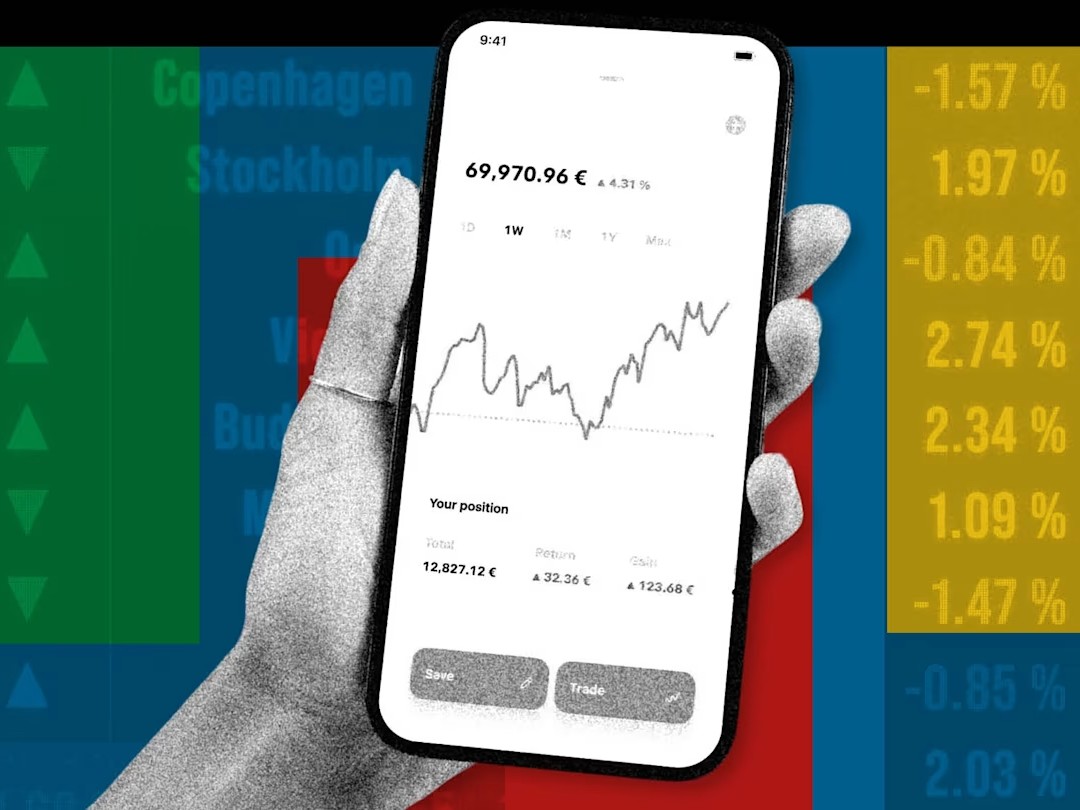
A funded trader is a professional who earns access to a proprietary trading firm's capital after passing a structured evaluation that tests consistency, risk management, and strategic discipline. You don't receive money to spend or invest freely. You operate under strict performance rules, profit-sharing agreements, and daily risk limits that mirror institutional trading environments.
The firm retains ownership of the capital while you manage it as a risk-controlled partner, earning a percentage of the profits you generate. This isn't a gift. It's a conditional working relationship where your ability to protect capital matters more than your ability to chase gains.
The Evaluation Phase Filters Out High-Risk Behavior
Before any firm grants you access to capital, you must prove you can trade within boundaries. Evaluation challenges typically require hitting an 8-10% profit target while staying within a 5% daily drawdown and 10% maximum drawdown. These constraints exist to identify traders who prioritize capital preservation over aggressive speculation. According to Topstep, 90% of traders fail within their first year, often because they treat evaluation phases as gambling opportunities rather than professional auditions.
The firms aren't testing whether you can get lucky once. They're measuring whether you can repeat controlled performance under pressure. Pass rates stay low because most people can't separate discipline from emotion when real consequences attach to every trade.
You Manage Capital, You Don't Own It
Once funded, you're not handed a check. You're given access to a trading account governed by the firm's risk framework. The capital remains theirs. You operate it. Breach a drawdown limit, violate position sizing rules, or ignore trading hour restrictions, and the account closes immediately. This structure mirrors how institutional traders operate inside hedge funds, where capital protection always ranks above profit generation.
Behavioral Strategy Alignment
Many traders change their behavior the moment they receive funding. They increase position sizes, take impulsive trades from mobile devices, or stop honoring their own stop-loss rules. Consistency that worked during evaluation disappears because the psychological weight shifts from proving capability to feeling entitled to profit.
Platforms like TradingPilot track over 2,000 firms operating worldwide, each with slightly different rules around leverage, instruments, and risk parameters. Finding alignment between your trading style and a firm's specific constraints determines whether you'll maintain discipline or violate terms within weeks.
Profit Sharing Aligns Incentives, But Caps Your Upside
You keep 70-90% of profits, depending on the firm and account tier. The remaining percentage compensates the firm for capital risk and operational infrastructure. This split creates mutual interest in your success, but it also means you're not capturing the full upside you would by trading your own capital.
The tradeoff is access to amounts you likely couldn't fund yourself. Trading $100,000 with an 80% split still generates more absolute profit than trading $5,000 with 100% ownership, assuming you maintain profitability.
Sustainable Scaling Dynamics
The real challenge isn't the split. It's sustaining the controlled risk-taking that qualifies you for scaling opportunities. Firms reward consistency with larger account sizes, better splits, and faster payout cycles. But those rewards only materialize if you avoid the behavioral drift that eliminates most funded traders within their first few months.
But the moment you start comparing firms, the complexity becomes obvious, and that's where most traders realize they're choosing blindly.
Can Funded Trading be a Scam?

Funded trading isn't inherently a scam, but the industry shelters enough predatory firms that treating every offer with skepticism isn't paranoia. It's pattern recognition. Legitimate proprietary trading firms exist with transparent rules, consistent payouts, and regulatory alignment. But between 2024 and 2025, 80-100 firms collapsed, leaving thousands of traders without recourse and millions in unpaid withdrawals. The structural difference between a legitimate firm and a scam often comes down to whether the business model depends on trader success or trader failure.
The warning signs cluster around three areas:
-
Reputation consistency
-
Operational transparency
-
How firms respond to traders' withdrawal requests
A firm's legitimacy reveals itself not in marketing promises but in the friction points where money changes hands.
Reputation Built on Verifiable Payouts, Not Marketing Claims
A firm's track record matters more than its advertised profit-sharing percentages.
Legitimate firms build reputations through:
-
Years of consistent payouts
-
Public testimonials from traders with verifiable account numbers
-
Transparent communication about rule changes
Scam operations rely on inflated payout claims that quietly disappear under scrutiny. One firm advertised $95 million in total payouts, then reduced the figure to $9.5 million after an independent investigation, then stopped reporting altogether.
Structural Payout Barriers
The pattern repeats across dozens of operations:
-
Aggressive marketing
-
Fake influencer endorsements
-
Cloned websites designed to mimic legitimate platforms
When traders who follow every rule still face account suspensions for vague violations like "coordinated trading" without evidence or an appeal process, the firm's revenue model becomes clear. It depends on challenge fees, not trader profitability. 93% of crypto prop firm traders never see a payout. That statistic doesn't reflect trading skill. It reflects structural barriers designed to collect fees while making withdrawals nearly impossible.
Transparency Breaks Down at the Payout Stage
Legitimate firms clarify evaluation criteria, drawdown limits, profit targets, and payout schedules before you pay a challenge fee. They operate with A-Book models that route your trades directly to real markets, aligning your success with theirs. Scam firms use B-Book models where they profit when you lose, then introduce hidden rules retroactively when you request a withdrawal.
Approved KYC documentation suddenly becomes insufficient. Trading hours you weren't told about become grounds for violation. Position sizing rules that didn't exist during evaluation appear in denial emails.
Compounding Reputational Erosion
The psychological damage extends beyond the loss of fees. Traders who successfully passed challenges and generated profits report developing fear and distrust that affects future decision-making.
When your verified performance history disappears because a firm terminated your account without evidence, you lose the professional proof needed for opportunities with legitimate operations. The financial loss is immediate. The reputational cost compounds over time.
Regulatory Compliance Signals Accountability
Most prop firms operate outside strict regulatory frameworks, but the credible ones still adhere to financial standards and maintain clear operational practices subject to external scrutiny.
They:
-
Register business entities
-
Publish terms that align with consumer protection laws
-
Respond to trader disputes through documented processes
Firms that avoid regulatory oversight entirely, operate through anonymous ownership structures, or change legal entities frequently after complaints surface are structurally designed to evade accountability.
Comparative Integrity Analysis
A platform like TradingPilot is one of the best prop trading firms, aggregating rule structures, fee schedules, and trader-review patterns across hundreds of firms, enabling you to identify consistency gaps before you commit capital. Comparing payout timelines, withdrawal requirements, and enforcement patterns across multiple firms reveals which operations treat traders as partners rather than revenue sources.
That comparison step eliminates most scams before you ever submit a challenge fee. But even knowing what to look for doesn't prepare you for how sophisticated the deception can become when firms actively engineer failure into their evaluation processes.
Related Reading
How to Spot Scam Prop Firms
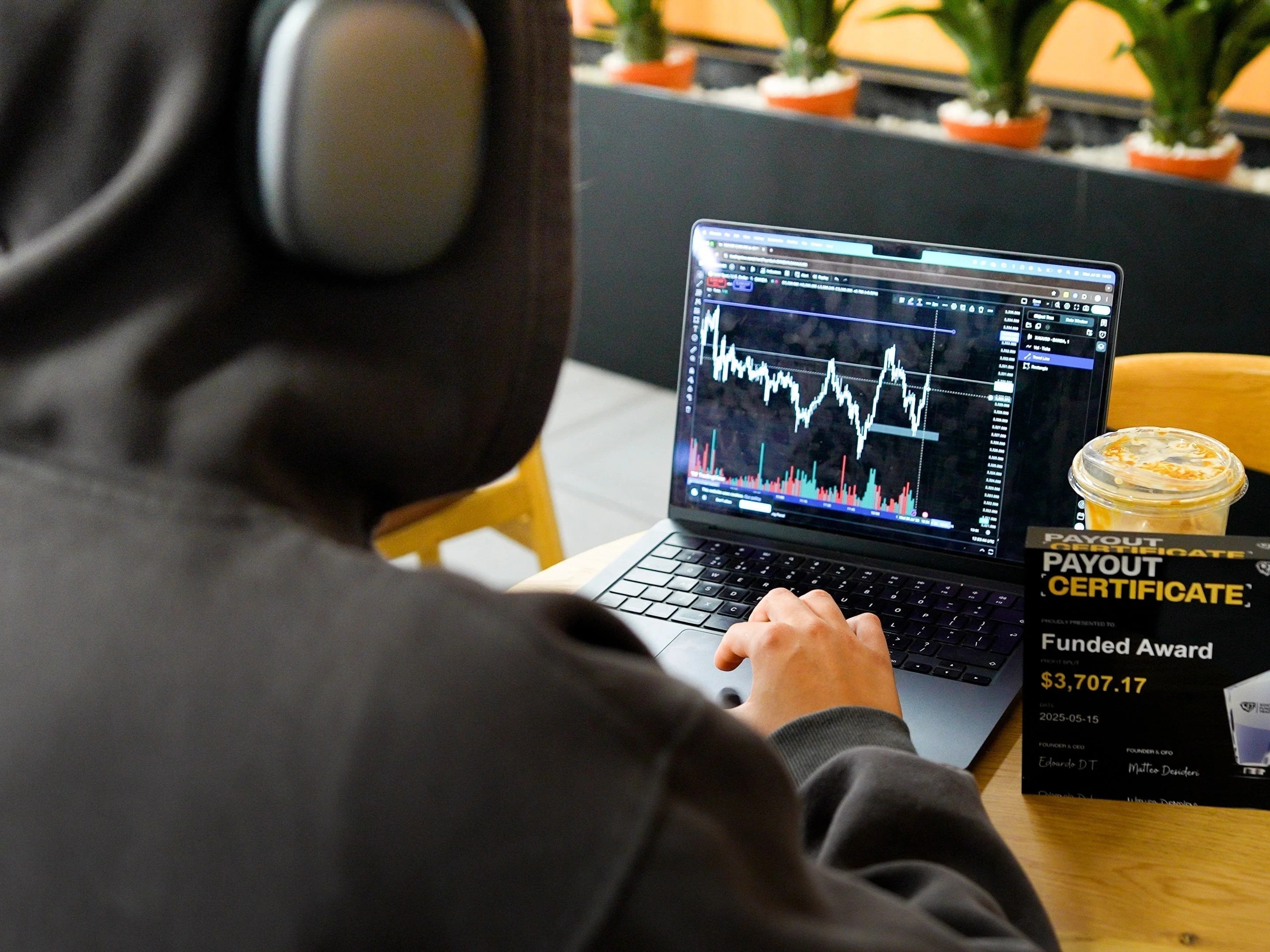
The difference between a legitimate prop firm and a scam reveals itself in operational consistency, not promotional promises.
-
Scam firms rely on:
-
Manufactured urgency
-
Fake social proof
-
Rule structures designed to collect fees while preventing payouts
-
-
Legitimate firms build reputations through
-
Verifiable trader success
-
Transparent rule enforcement
-
Consistent withdrawal processing across years of operation
-
Review Patterns That Signal Manufactured Credibility
Trustpilot pages filled with generic five-star reviews posted within days of each other aren't social proof. They're coordinated campaigns. Legitimate firms accumulate reviews gradually, with specific details about payout timelines, customer service interactions, and rule clarity. Fake reviews use marketing language ("game-changing platform," "incredible opportunity") without mentioning actual trading experiences, account sizes, or withdrawal amounts.
When every review sounds like a press release, and none mention specific challenges or friction points, the firm is buying credibility instead of earning it. Check whether negative reviews receive responses. Scam operations ignore complaints or delete them. Legitimate firms address concerns publicly, explain rule violations with specificity, and demonstrate accountability through documented resolution processes.
Website Quality Reflects Operational Commitment
Professional firms invest in user experience because they expect long-term relationships with traders. Sites with broken navigation, spelling errors, unclear fee structures, or missing legal documentation signal operations built for quick extraction, not sustained partnerships. Over 2,000 firms operate worldwide, but most legitimate operations maintain consistent branding, detailed FAQ sections, and transparent terms of service that don't change retroactively.
Scam sites often clone designs from established firms, changing only logos and color schemes. They avoid specific details about drawdown calculations, profit target timelines, or violation appeal processes because ambiguity creates room for arbitrary account terminations.
Social Media Presence Reveals Engagement Depth
Firms with no presence on YouTube, Instagram, or trader forums aren't avoiding social media by choice. They're avoiding accountability. Legitimate operations engage with trader questions publicly, post educational content consistently, and maintain communities where funded traders share experiences without censorship.
Traders report discovering scam patterns when multiple new accounts post identical promotional comments across Reddit threads within minutes, all praising unknown firms with no established track record.
Behavioral Signal Aggregation
A platform like TradingPilot is one of the best prop trading firms that aggregate these behavioral signals across hundreds of operations, allowing you to compare social engagement patterns, assess authenticity, and review payout consistency before you commit to challenge fees. That comparison step filters out firms that survive through marketing manipulation rather than trader profitability.
Customer Service Response Patterns Under Pressure
Reach out with specific questions about drawdown calculations, trading hour restrictions, or payout processing timelines. Legitimate firms respond with precise answers, often referencing specific rule sections or providing examples. Scam operations send vague replies, delay responses until after you've paid fees, or ignore questions that expose rule ambiguities they plan to exploit later. The quality of pre-sale communication predicts post-funding support.
But understanding red flags only protects you from obvious scams, not from firms that operate legally while structuring challenges you're statistically unlikely to pass.
How to Choose a Reliable Prop Firm
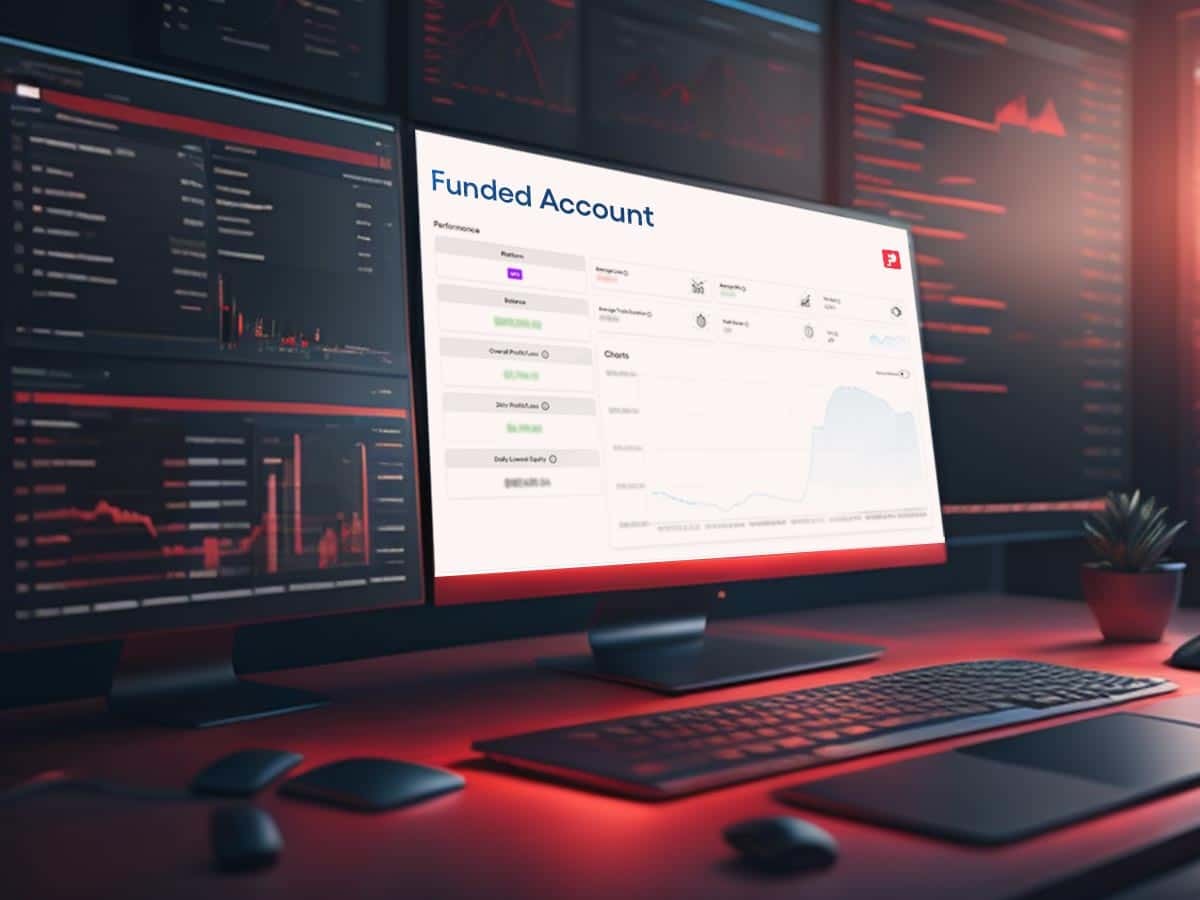
Choosing a reliable prop firm requires comparing operational patterns across multiple platforms before committing capital. The firms that survive in the long term operate under transparent rules, verifiable payout histories, and trading conditions that don't sabotage profitability. Your selection process should prioritize evidence over marketing, focusing on how firms behave when traders request withdrawals, encounter platform issues, or need rule clarifications under pressure.
Transparent Trading Rules That Support Success
Legitimate firms structure rules around risk management, not trader elimination. Profit targets between 8-10% align with sustainable trading behavior. Drawdown limits should be clearly defined, using end-of-day calculations rather than intraday trailing thresholds that restrict trade development.
Retroactive Condition Disclosure
When consistency requirements or minimum trading days appear in payout conditions, they should be stated explicitly in the terms you read before paying fees, not introduced retroactively when you request a withdrawal.
Firms that hide restrictions until after you've passed challenges reveal their revenue model. They profit from denied payouts, not from your trading success. Compare rule structures across multiple platforms to identify which firms add arbitrary complexity and which maintain straightforward frameworks that let you focus on execution rather than compliance navigation.
Verifiable Payout Track Records
A firm's willingness to pay traders determines whether the relationship functions or fails. Look for consistent payout proof across independent platforms such as Trustpilot, Discord communities, and trader forums, where people share withdrawal timelines, account numbers, and specific experiences. Recent evidence matters more than historical claims. A firm that paid reliably two years ago but now delays withdrawals for weeks while requesting additional documentation has changed its operational priorities.
Processing speed signals confidence. Firms that complete payouts within 24-48 hours demonstrate functional systems and adequate capital reserves. Operations that require 10-14 days or introduce bureaucratic approval stages are either undercapitalized or deliberately creating friction to discourage withdrawal requests.
Trading Conditions That Don't Erode Profitability
Platform quality and execution costs determine whether your strategy remains viable at scale. Test demo accounts before committing to evaluations. Check spreads during active market hours, measure execution speed on limit orders, and verify the platform remains stable during volatility events.
A firm partnered with regulated brokers and willing to disclose their liquidity provider demonstrates operational transparency. Refusal to name their broker or provide execution statistics suggests they're routing trades through B-Book models where your losses become their revenue.
Execution-Condition Consistency
Many traders discover after funding that spreads widen significantly compared to evaluation accounts, or that slippage patterns make their tested strategy unprofitable. Platforms like the TradingPilot aggregate trading condition data across hundreds of firms, letting you compare spreads, commission structures, and execution quality before you invest in challenges. That comparison step reveals which firms maintain consistent conditions between evaluation and funded phases.
Support Quality Under Operational Pressure
Customer service responsiveness predicts how firms handle account issues involving money. Before paying any fees, send specific questions through multiple channels. Ask about drawdown calculation methods, position sizing limits during news events, or how violation appeals are processed.
Firms with trader-centric support respond within hours with detailed answers referencing specific rule sections. Operations that send generic replies or ignore questions exposing rule ambiguities will behave the same way when you need help during a live trading issue.
Pre-Commitment Communication Benchmarking
The difference between a firm that wants you to succeed and one that profits from your failure becomes obvious in how they communicate before you've committed capital. Test the communication quality when the stakes are still low.
But knowing what to look for only matters if you know where to start comparing, and that's where most traders waste weeks researching firms one at a time.
Related Reading
9 Reliable Funded Trading Platforms for Beginners

Beginners need platforms that teach risk discipline through structure, not firms that profit from repeated failures in evaluation. The platforms below earned reputations through verifiable payout histories, transparent rule frameworks, and trading conditions that don't sabotage profitability once you're funded.
Each addresses specific challenges beginners face:
-
Time pressure during evaluations
-
Confusion around drawdown calculations
-
Fear of arbitrary account terminations after passing challenges
They maintain the same spreads, execution quality, and rule enforcement between evaluation and funded phases. That alignment matters because many traders discover after funding that the conditions they tested their strategies against no longer exist.
1. Audacity Capital: Structured Growth Through Stages
Audacity structures progression across multiple account tiers, allowing you to build capital access gradually rather than jumping directly into high-risk positions. This staged approach prevents overexposure, which eliminates most beginners within their first funded month. You start small, prove consistency, then scale into larger accounts as your track record demonstrates controlled risk-taking.
Operational Framework Transparency
The firm removes time constraints during evaluations, eliminating the pressure that can lead to impulsive trades as deadlines approach. Zero-commission structures and straightforward payout processes reduce the administrative friction that creates withdrawal anxiety on other platforms. MT4-only access limits platform flexibility, and the staged model requires patience that absolute beginners still building basic chart-reading skills may not yet possess.
Traders who prefer clear milestones over ambiguous performance metrics find Audacity's framework reduces decision fatigue. You know exactly what profitability threshold unlocks the next tier, what drawdown limit protects your current status, and how payout timing works before you start trading.
2. Apex Trader Funding: Fast Approval With Flexible Drawdowns
Apex processes approvals within 7 days for traders who meet profit targets, compressing the timeline from evaluation completion to funded trading. That speed matters when you've invested weeks preparing strategies and want to deploy them while market conditions remain favorable. Accounts scale up to $4 million with profit splits reaching 90% after your first $25,000 in earnings.
The absence of daily drawdown limits gives beginners breathing room to let trades develop without constant monitoring of positions. Many traders lose funded accounts not because their strategy failed, but because intraday volatility triggered drawdown thresholds before their thesis had time to play out. Apex's structure removes the risk of premature termination.
Standardized Compliance Oversight
Performance criteria remain strict once funded. Miss targets or violate position-sizing rules, and account closures happen quickly. The platform doesn't offer extensive leverage customization or strategy flexibility compared to firms targeting experienced institutional traders. But for beginners learning to manage risk under real capital constraints, the simplified rule set reduces compliance complexity.
3. Fxify: Flexible Evaluation Pacing for Forex Traders
Fxify lets you choose between one-phase or two-phase evaluations based on your confidence level and risk tolerance. That flexibility acknowledges that not every trader learns at the same pace or handles pressure the same way. Rushing through a single evaluation phase works for experienced traders migrating from other firms. Beginners benefit from the two-phase structure that separates profit demonstration from consistency validation.
Profit splits reach 90%, and funding scales to $4 million across MT4 and MT5 platforms. The firm eliminated consistency rules that force traders into artificial trading frequency patterns. You trade when your strategy signals an opportunity, not because you need to meet arbitrary minimum trade counts to qualify for payouts.
Evaluation-Phase Stress Mitigation
According to LiquidityFinder, evaluating genuine funded accounts requires comparing operational transparency across multiple firms rather than relying on marketing claims. Fxify's willingness to let traders control the pace of evaluation demonstrates confidence in its rule framework. Firms that rush evaluations or impose strict time limits often do so because they profit more from repeated challenge fees than from trader success.
Performance requirements still apply once funded. Accounts close if you breach drawdown limits or fail to maintain profitability over evaluation periods. But the flexibility during the qualification phase reduces the stress-induced mistakes that eliminate traders before they've demonstrated actual capability.
4. IC Funded: No Time Pressure on Evaluations
IC Funded removes evaluation deadlines entirely, letting you prove profitability across whatever timeframe your strategy requires. This structure benefits traders whose edge depends on specific market conditions that may not appear during arbitrary 30-day windows. You're not forced to trade during low-probability setups just to meet time requirements.
The platform supports over 150 instruments, including forex pairs, cryptocurrencies, and commodities. Profit splits reach 80%, and the firm permits scalping, hedging, and other strategies that many competitors restrict. That strategic flexibility matters for beginners still discovering which trading styles align with their risk tolerance and schedule constraints.
Unconstrained Evaluation Dynamics
IC Funded operates without major regulatory oversight, creating counterparty risk that regulated firms don't carry. Challenge fees are non-refundable regardless of performance, and some instruments are subject to trading restrictions compared to specialized platforms. But for traders who fail evaluations primarily due to time pressure rather than strategy weaknesses, the unlimited evaluation window significantly changes the probability of success.
5. FTMO: Industry Benchmark With Coaching Infrastructure
FTMO built its reputation through consistent payouts and structured trader support that extends beyond rule enforcement. Performance coaches review your trading data, identify behavioral patterns that cause losses, and provide feedback to improve decision-making under pressure. Account analytics tools show exactly where your edge exists and where emotional trading erodes profitability.
Tiered Support and Selection Rigor
Profit splits reach 80%, with access to a diverse range of instruments and leverage options that accommodate different strategy requirements. The evaluation process remains rigorous, filtering out traders who can't demonstrate consistent risk management before funding. That selectivity protects the firm's capital and ensures that funded traders operate alongside peers who've proven similar levels of discipline.
Technical support experiences vary based on account size and funding tier. Beginners sometimes report slower response times compared to traders managing larger accounts. The evaluation difficulty means this platform works better for people who've already developed basic profitability on demo accounts, rather than for complete beginners still learning position-sizing fundamentals.
6. The 5%ers: Low Entry Cost With Scalable Growth
Entry fees start at $95, reducing the capital barrier that prevents many beginners from attempting funded trading. That low threshold lets you test whether prop trading aligns with your skills and temperament without risking substantial savings. Profit splits scale up to 100% as you demonstrate consistency, creating a financial incentive to maintain disciplined trading beyond just keeping the account active.
The firm provides immediate, funded access upon completion of the evaluation, eliminating the administrative delays that create uncertainty at other platforms. MT5 support gives access to advanced charting tools and automated trading capabilities that beginners can grow into as their skills develop.
Sustainable Entry Dynamics
Ongoing performance requirements mean you can't relax discipline after initial funding. The platform offers less operational control than independent trading accounts, and rule frameworks still constrain strategy flexibility. But for cost-sensitive beginners who want funded experience without depleting personal capital through repeated expensive evaluations, The 5%ers' pricing structure makes early attempts financially sustainable.
7. Fidelcrest: Structured Progression With Performance Rewards
Fidelcrest operates a two-phase evaluation with clear profit targets and drawdown limits at each stage. The structured progression helps beginners understand exactly what performance level qualifies them for funding before they start trading. Partnerships with regulated brokers provide execution quality and platform stability that unregulated operations can't guarantee.
The firm offers bonuses and acceleration programs that reward consistent profitability beyond minimum requirements. That incentive structure encourages traders to develop a genuine edge rather than just barely meeting qualification thresholds. MT4, MT5, and cTrader support provide the platform with flexibility as your trading sophistication increases.
Structured Performance Validation
Copy trading restrictions prevent beginners from relying on signal services or automated systems they don't understand. The evaluation rigor may feel steep for absolute beginners still learning basic technical analysis. But for traders who've spent months on demo accounts and want to test skills under real capital constraints, Fidelcrest's structured approach provides clear feedback about whether you're ready for funded trading.
8. Topstep: Futures-Focused With Built-In Education
Topstep combines funded trading access with educational infrastructure designed specifically for futures markets. Free trial access lets you test the platform and evaluation structure before committing to monthly subscription fees. Trader coaching and community support help beginners develop the consistent habits that separate profitable traders from those who blow accounts through emotional decision-making.
Profit targets remain clear throughout evaluation phases. You keep 100% of initial profits up to certain thresholds, creating immediate financial reward for early success. The community aspect reduces the isolation that makes many beginners quit after initial losses, providing peer accountability that improves discipline.
Behavioral Infrastructure and Cost Dynamics
Monthly subscription fees continue regardless of trading activity, creating ongoing cost pressure that doesn't exist with one-time evaluation models. The platform focuses exclusively on futures instruments, limiting diversification for traders who want exposure across forex, crypto, and equity markets. Weekend customer service unavailability creates friction when platform issues occur outside business hours.
Most funded traders fail not because their strategy lacks edge, but because they can't maintain psychological discipline when real capital is at risk. Topstep's coaching infrastructure addresses that behavioral gap directly, teaching risk-management frameworks before funding rather than expecting beginners to develop discipline through costly account failures.
9. Traders4Traders: Education Before Funding
T4T structures its model around comprehensive education first, funded trading second. You learn professional risk management, position sizing calculations, and psychological discipline frameworks before attempting evaluations. That educational foundation prevents the common mistakes that eliminate beginners who jump straight into challenges without understanding why drawdown limits exist or how leverage amplifies both gains and losses.
Education-First Progression Dynamics
The platform removes time restrictions entirely, letting you progress through educational modules and evaluation phases at whatever pace your schedule and learning speed require. One-time subscription fees eliminate the recurring cost pressure that makes monthly models financially unsustainable for part-time traders.
Multi-level evaluation structures and lower-leverage restrictions mean progression takes longer than on platforms offering immediate, high-leverage access. But for beginners whose primary obstacle is knowledge gaps rather than access to capital, T4T's education-first approach builds the foundational skills that determine long-term survival in funded trading.
Centralized Operational Benchmarking
Most traders waste weeks comparing these platforms individually, checking rule documents, testing demo accounts, and trying to decode which marketing claims reflect actual operational quality. Platforms like the TradingPilot aggregate challenge structures, fee schedules, payout timelines, and verified trader reviews across hundreds of operations.
That centralized comparison reveals which firms maintain consistent conditions between the evaluation and funded phases, which ones delay withdrawals due to bureaucratic friction, and which operations have verifiable payout histories extending back years rather than months.
Operational Payout Determinants
The comparison step matters because choosing based on advertised profit splits or funding amounts alone ignores the operational factors that determine whether you'll actually receive those payouts. A firm offering 90% splits means nothing if they terminate accounts through ambiguous rule violations before you request your first withdrawal.
But even with the right platform selected, most beginners still fail within months because they misunderstand what funded firms actually measure during evaluations.
Protect Your Profits: Avoid Scam Prop Firms With TradingPilot
Jumping into funded trading without verifying the firm first puts months of effort, challenge fees, and earned profits at risk. Most traders discover the danger only after passing evaluations, when payout denials, hidden rules, or frozen accounts reveal the firm's true business model. By that point, you've already invested capital and time into a system designed to collect fees rather than distribute earnings.
Most traders research firms one at a time, checking Trustpilot reviews, scanning terms of service documents, and trying to decode which marketing claims reflect operational reality. As you compare more platforms, the process becomes overwhelming. Rule structures vary across hundreds of firms, payout timelines contradict advertised promises, and withdrawal requirements change between what's written in FAQ sections and what traders report experiencing.
Consolidated Credibility Verification
Platforms like TradingPilot centralize this comparison process, aggregating challenge structures, verified payout histories, trader reviews, and fee schedules across the industry. That consolidated view reveals which firms maintain consistent conditions between the evaluation and funded phases, which operations delay withdrawals due to administrative friction, and which have verifiable track records extending over years rather than months.
Use TradingPilot to verify any firm's credibility before paying challenge fees. Compare multiple platforms based on documented trader experiences, not promotional content. Check whether payout timelines match what the firm advertises, whether rule enforcement remains consistent across account tiers, and whether customer service responds to specific questions about drawdown calculations or violation appeals.
Compliance Documentation and Risk Mitigation
This verification step filters out firms that survive through marketing manipulation rather than trader profitability, protecting you from operations that profit when you fail rather than when you succeed.
Follow the recommended risk management practices and challenge compliance from day one. Understand exactly how your chosen firm calculates drawdowns, what constitutes a rule violation, and how the appeal process works before you place your first trade. Document your trading activity, save all communication with support teams, and maintain records of platform performance during execution.
Strategic Partnership Alignment
This documentation protects you if disputes arise and provides evidence if you need to escalate concerns through community channels or regulatory bodies.
You're not just chasing a funded account. You're building a sustainable path as a professional trader, and that path requires choosing partners who align with your success rather than profiting from your elimination. The firms that survive long-term do so because their business model depends on your profitability, not on collecting endless evaluation fees from traders who never reach payout stages.
Related Reading
• Prop Firms With No Minimum Trading Days
• Largest Prop Trading Firms
• How Much Do Funded Traders Make
• Are Funded Accounts Legit
• Funded Account Brokers
• Prop Firms With No Time Limit