
Top 15 Funded Trading Platforms for Beginners 2026

You've spotted the opportunity: funded trading brokers offer capital to skilled traders without requiring personal risk. But here's where many traders stumble. Learning how to pass the prop firm challenge requirements separates those who access real funding from those who remain stuck trading their own limited accounts. This article breaks down what to consider when selecting proprietary trading firms, from evaluation criteria and profit targets to withdrawal policies and platform options, helping you find the best prop firms and compare them effectively.
Trading Pilot's best prop trading firms directory gives you side-by-side comparisons of leading funded account providers. Instead of spending weeks researching individual companies, you'll see key metrics like challenge costs, profit splits, scaling plans, and trader feedback in one place, making it simpler to find the best prop firms and compare them based on what actually matters for your trading style and goals.
Summary
-
Roughly 90% of traders fail prop firm evaluations before reaching funded accounts, with only 10% successfully passing challenge requirements. The failure isn't usually about flawed trading strategies but about rule violations, revenge trading after losses, and the inability to maintain discipline under evaluation pressure. Most traders possess adequate technical skills but cannot execute consistently when strict drawdown limits, profit targets, and compliance monitoring create psychological stress that wouldn't exist in casual demo trading.
-
Getting funded represents just the first hurdle, with industry estimates suggesting only 1 to 5% of funded traders remain consistently profitable long term. The challenge structure itself creates behavioral changes because evaluation conditions demand aggressive enough trading to hit 8 to 10% profit targets while staying conservative enough to avoid violating tight drawdown limits.
-
Platform selection based on marketing appeal rather than strategic compatibility sets traders up for failure before evaluations begin. Swing traders joining firms that prohibit overnight positions, scalpers facing trailing drawdown systems that punish normal intraday volatility, and position traders forced into daily activity requirements all face structural conflicts that undermine otherwise sound strategies.
-
Technical infrastructure failures during live trading can terminate funded accounts regardless of strategy quality. Platform freezes during volatile sessions, execution delays on news releases, and server issues that prevent stop losses from executing create rule violations through no trader fault.
-
Payout reliability varies dramatically across platforms, with some firms developing reputations for delayed withdrawals, vague payout conditions, or sudden rule changes after traders request money. Traders often discover these issues only after passing evaluations and requesting first payouts, when switching platforms means starting over.
TradingPilot helps traders compare rule structures, drawdown calculations, and payout histories across 50+ firms to identify platforms where their specific trading style faces the fewest artificial constraints.
Is Funded Trading Easy?

Prop trading isn't easy money. It's one of the most psychologically demanding forms of trading, and most traders never achieve consistent payouts. The low entry cost and influencer marketing make it seem accessible, but industry data tell a completely different story.
Most Traders Never Pass the Evaluation
According to FunderPro's 2025 analysis, only about 10% of traders successfully pass prop firm challenges. That means roughly 9 out of every 10 traders fail before even reaching a funded account. The internet makes getting funded seem common because you see payout screenshots and "I passed in 2 days" videos everywhere, but those represent a tiny fraction of actual attempts. Survivorship bias creates a distorted picture where the much larger group of failing traders becomes invisible.
Getting Funded is Hard, Staying Funded is Harder
Passing a challenge once doesn't mean the difficult part is over. Many traders pass and then lose their funded account shortly afterward because challenge passing and long-term profitability require completely different skills.
Challenge passing often rewards aggressive target-chasing and rapid account growth, while sustained funded trading demands emotional control, disciplined risk management, and the ability to survive repeated drawdowns over months. Industry estimates suggest that only 1 to 5% of funded traders remain consistently profitable long term, a reality rarely discussed in promotional content.
Rule Violations Cause Most Failures, Not Bad Strategies
The majority of challenge failures occur because traders break risk rules, engage in revenge trading, or lose discipline after losses, not because their trading strategy is fundamentally flawed. Many traders know how to trade, but they cannot maintain discipline under the specific pressure of evaluation conditions.
The challenge environment itself dramatically changes trader behavior because you're trading under strict rules with payout pressure, where one mistake can end the account. This creates fear after losses, hesitation on good setups, and impulsive risk-taking that wouldn't happen in casual demo trading.
The Structure Makes Trading Harder Than Normal
Most prop challenges require hitting profit targets around 8 to 10% while staying within very tight drawdown limits. This creates a difficult balancing act where you must trade aggressively enough to reach the target but conservatively enough to avoid violating the rules.
Behavioral finance research consistently shows that performance pressure increases impulsive decision-making and that loss aversion intensifies after drawdowns, making traders more likely to abandon their strategies under stress. The low entry cost of $50 to a few hundred dollars psychologically makes people assume it can't be that hard, but low cost doesn't correlate with a high probability of success.
Choose a Firm That Fits Your Trading Style
Most traders choose firms based on marketing hype rather than on compatibility with their actual trading style, setting them up for failure before they even start. TradingPilot has a list of the best prop trading firms that help traders compare evaluation structures, rule sets, and payout data across dozens of firms so they can find challenges that match their risk profile and strategy, rather than signing up for whichever firm has the flashiest Instagram ads.
But even when you find the right firm and pass the challenge, there's a whole set of obstacles waiting that nobody warns you about.
Challenges of Funded Trading

Once you're funded, you're trading under constraints most retail traders never face. The rules that seemed reasonable during evaluation become pressure points when your income depends on staying within them.
-
Daily drawdown limits mean a single bad morning can sideline you for 24 hours.
-
Profit targets create urgency that conflicts with patient position management.
-
Scaling restrictions prevent you from capitalizing on your best setups.
These aren't just guidelines; they're the boundaries of your entire trading career with that firm.
Market Volatility Under Strict Risk Parameters
Trading unpredictable markets becomes exponentially harder when you're operating within tight risk boundaries. According to Velotrade Blog, 90% of traders fail prop firm challenges, and a significant portion of those failures happen not because the strategy was wrong, but because market volatility triggered rule violations before the edge could play out.
A news event spikes your position against you by 3%, you hit your daily loss limit, and you're locked out while the market reverses exactly as you predicted. The strategy was sound, the timing was right, but the constraint made it impossible to execute.
Trading Within Firm Risk Limits
Position sizing becomes a constant calculation rather than an intuitive decision. You're not just asking whether a trade makes sense; you're reverse-engineering how much exposure you can take without risking account termination if the trade moves 50 pips against you. Stop-loss placement shifts from optimal trade management to compliance with maximum loss rules. Every entry becomes a negotiation between what your strategy signals and what the firm's parameters permit.
Technology Failures in Live Trading Environments
Demo account glitches are annoying. Live trading failures cost you real money and could potentially cost you your funding. When your platform freezes during a volatile session, your stop-loss might not execute, your position drifts beyond your risk limit, and you've violated terms through no fault of your own.
Some firms are understanding about technical issues, most aren't. The burden of proof falls on you to demonstrate the failure wasn't user error, and by the time you've gathered screenshots and contacted support, the damage to your account is already done.
Execution Speed Can Make or Break Funding
Latency matters differently when you're funded. A two-second delay in order execution that would be irrelevant for swing trading becomes catastrophic for scalpers operating on thin margins. Server issues during high-impact news releases can mean the difference between a controlled exit and a blown account. The infrastructure supporting your trading, whether it's your internet connection, your broker's servers, or the prop firm's monitoring systems, becomes a silent partner in every trade you take.
Regulatory Scrutiny and Compliance Burden
The prop trading industry operates in a regulatory gray zone that's rapidly getting clearer, and not always in favorable ways. Firms face inconsistent definitions across jurisdictions about what constitutes proprietary trading versus education services or gambling.
What's permissible in one country triggers regulatory action in another. Recent investigations have made compliance a front-of-mind concern for legitimate firms, which translates to more documentation requirements, more reporting obligations, and more restrictions on how you can trade and withdraw earnings.
Documentation Is Part of Funded Trading
Transparency demands are increasing. Firms now require detailed trade journals, regular performance reviews, and documentation of your strategy and risk management approach. This isn't just bureaucracy; it's legal protection for both parties. But it adds administrative overhead that most traders didn't anticipate when they signed up to just trade.
The Talent Retention Problem Nobody Mentions
Successfully funded traders become targets. Hedge funds, family offices, and competing prop firms actively recruit proven performers. When you've demonstrated edge over months of live trading, you gain options. The firm that funded you doesn't own your strategy or your skills, and better offers emerge. This creates an uncomfortable dynamic where your success makes you more likely to leave, and the firm knows it.
Most prop firms respond by creating tiered profit splits or scaling programs that reward longevity. But the fundamental tension remains:
-
The better you perform, the more valuable you become elsewhere. For traders, this is leverage. For firms, it's a retention problem that directly impacts their revenue stability.
-
The traders who stick around long-term often aren't the top performers; they're the ones who value stability over maximum compensation or who haven't yet attracted outside attention.
Related Reading
10 Practical Tips to Tackle the Challenges of Funded Trading

So you know the structural challenges exist. You understand the psychological pressure and the technical landmines. Now comes the harder part: actually implementing solutions that work when your account balance is dropping, and your emotions are screaming at you to do something, anything, to fix it. These aren't theoretical principles. They're operational tactics that separate traders who survive evaluations from those who repeat the same expensive mistakes across multiple attempts.
1. Build Your Risk Framework Before You Trade a Single Dollar
Your position sizing calculator matters more than your entry signal. Risk per trade should never exceed 1% of your evaluation account, and during losing streaks, consider dropping to 0.5%. This isn't conservative trading. It's survival math. When you hit three consecutive losses, your account can absorb the damage without triggering the psychological spiral that leads to revenge trading.
Stop-losses aren't suggestions. They're non-negotiable boundaries that protect you from the market's ability to move further than you think possible. The moment you start moving stop-losses to give the trade more room, you've already lost control of your risk management. That single decision has ended more evaluations than any technical analysis mistake ever could.
2. Reframe Speed as the Enemy, Not the Goal
Pressure to meet profit targets creates the illusion that you need to hit them quickly. You don't. You need to hit them consistently without violating rules. Traders who pass evaluations in 15 days aren't more skilled than those who take 45 days. They're often just luckier with market conditions during their window.
According to For Traders, prop firms occasionally offer incentives like 20% OFF for new customers, but no discount changes the fundamental reality:
-
Rushing to capitalize on promotional pricing typically produces worse results than waiting until you're genuinely prepared.
-
The evaluation will still be there next month.
-
Your capital won't survive if you force trades that aren't there.
Accept slower account growth as a feature, not a bug. High-quality setups appear irregularly. Professional traders often wait days between positions because they understand that trading less frequently with greater conviction yields superior risk-adjusted returns than constant market participation.
3. Prepare Your Losing Streak Protocol While You're Still Winning
The time to decide how you'll handle three consecutive losses is before you take your first trade, not after you're emotionally compromised. Predefine your maximum daily loss as a percentage, not a dollar amount, because your account size changes as you trade. When you hit that threshold, close the platform. Walk away. The market will be there tomorrow.
Some traders fail not because their strategy is terrible, but because one emotional trade wipes out the account.
-
That single moment of "I can recover this" thinking overrides months of disciplined preparation.
-
Your losing-streak protocol should include automatic position-size reduction.
-
After two losses, cut your risk per trade in half. After three, stop trading for the day regardless of the time spent in front of screens.
Stick to your original strategy rules even when they're producing losses. Strategy abandonment during drawdowns is how traders turn temporary setbacks into permanent failures. The pattern is predictable: lose money following Plan A, panic, switch to Plan B mid-evaluation, lose more money because Plan B hasn't been tested, then blame the market instead of the decision to change approaches under emotional duress.
4. Treat Technology Failures as Inevitable, Not Unlikely
Platform crashes happen. Internet connections fail. Execution delays occur during high-volatility news events. Any of these technical problems can eliminate your evaluation regardless of trading skill. The solution isn't hoping they won't happen. It's building redundancy before they do.
Maintain backup internet access through a mobile hotspot or a secondary provider.
-
Test the execution quality of the test platform during your demo period by placing small trades during news releases to see how fills compare to expected prices.
-
Avoid trading during known periods of technical instability, like the first 30 minutes after major economic announcements, when server loads spike and execution quality degrades.
A technical mistake can fail a challenge just as quickly as a bad trade, but traders consistently underestimate this risk because it feels outside their control. It's not. Choosing reliable infrastructure and testing it thoroughly before a live evaluation is a trading decision with a measurable impact on the probability of success.
5. Master the Rulebook Like It's Your Trading Edge
Profitable traders still fail evaluations by violating rules they didn't fully understand. Daily drawdown calculations vary between firms. Some measure from the starting balance, others from the day's highest point. That difference determines whether a $200 loss triggers a rule violation or stays within limits.
Misunderstanding this one detail has cost traders thousands in failed evaluation fees.
-
Read every rule carefully before funding an account.
-
Understand how trailing drawdown works, which news events are restricted, what constitutes consistency rule violations, and how weekend holding policies affect your positions.
-
Monitor rule updates regularly because firms adjust requirements based on trader behavior patterns and their own risk management needs.
The traders who consistently pass evaluations aren't necessarily the most profitable. They're the ones who trade within the specific constraints of each firm's structure. That's a learnable skill, unrelated to market analysis, about operational discipline.
6. Track Process Quality, Not Profit Targets
Obsessing over daily profit and loss creates emotional instability that undermines the quality of decisions. Better approach: build a tracking system for rule compliance, emotional discipline, setup quality, and risk management consistency. These process metrics predict long-term performance more accurately than any single day's profit number.
These questions matter more than whether you made money today.
-
Did you follow your entry criteria exactly?
-
Did you exit as planned, or make emotional adjustments mid-trade?
-
Did you maintain proper position sizing?
-
Were you trading your actual strategy or improvising based on market movement?
Strong process usually produces better long-term performance because it removes the random reinforcement that makes bad habits feel successful. You can make money on a terrible trade through luck, then repeat that terrible approach until luck runs out. Process metrics catch that problem before it destroys your account.
7. Reduce Trading Frequency Deliberately
Pressure from challenges causes traders to force setups that don't meet their criteria. The solution isn't better pattern recognition. It's accepting that most market hours don't contain your edge. Professional traders often trade less, not more, because they understand that opportunity is episodic, not continuous.
Limit the number of trades per day based on your strategy's actual signal frequency.
-
If your backtesting shows an average of two high-quality setups daily, taking six trades means four were suboptimal.
-
Walk away when conditions are unclear rather than manufacturing reasons to participate.
-
The market doesn't reward activity. It rewards accuracy.
Some of the best trading days involve taking zero trades because nothing met criteria. That's not a missed opportunity. That's preserved capital and maintained discipline, both of which compound over time into sustainable performance.
8. Use Free Trials to Expose Your Weaknesses
Many traders buy evaluations before knowing whether the platform suits them, the rules fit their strategy, or the execution quality is reliable. This is backward. Free trials exist to test compatibility before committing money, but most traders use them to practice their strategy rather than to stress-test their emotional stability under the firm's specific constraints.
These operational details determine success probability more than your entry signals do.
-
Test drawdown handling by deliberately taking your maximum allowed loss to see how the platform calculates it and how you feel when you're near limits.
-
Verify execution quality during your typical trading hours.
-
Check whether the platform's data feed is compatible with your analysis tools.
Free trials expose whether you can actually trade your strategy within the firm's rules before those rules cost you evaluation fees. Traders who skip this step typically discover incompatibilities after paying, leaving them with only two options: lose money or adapt their approach under pressure.
9. Build Long-Term Skill, Not Short-Term Income
Inconsistent returns are normal. Some months, the market will align with your strategy. Other months it won't. Traders who survive understand this and focus on gradual improvement rather than monthly income targets. Think in months, not days. Accept that building consistency is a multi-quarter process, not a multi-week sprint.
Professional traders survive because they manage bad periods well, not because they avoid them entirely.
-
Avoid emotional recovery mode after losing periods.
-
The urge to "make back" losses by increasing risk or trading frequency is how temporary drawdowns become permanent failures.
The traders who stick around long-term often aren't the top performers during any single evaluation. They're the ones who value survival over maximum compensation and who've learned that consistency matters more than peak performance.
10. Match Your Trading Style to Compatible Firm Structures
This is the most overlooked solution to prop trading challenges. Many traders fail because the firm's rules conflict with their strategy, the drawdown structure creates emotional pressure, or the trading restrictions don't fit their natural trading style. Swing traders struggle with overnight restrictions. Scalpers deal with execution quality problems. Traders get overwhelmed by trailing-drawdown systems that don't align with their psychology.
Instead of forcing yourself to adapt to incompatible rules, choose a firm whose structure already fits your strategy, psychology, and risk tolerance. When evaluation requirements align with how you actually trade, you're not fighting the constraints. You're working within a framework that supports your edge rather than undermining it.
Match Firms To Your Trading Style
Best prop trading firms help traders compare rule structures, drawdown calculations, and trading restrictions across firms to find matches that fit their specific approach. This eliminates the expensive trial-and-error of discovering incompatibilities after paying for evaluations, turning firm selection from guesswork into data-driven matching.
Related Reading
How to Choose the Right Funded Trading Platform in 10 Steps

Start by defining your actual trading behavior before you compare anything. Are you holding trades overnight, scalping during news events, or building positions over several days? Your strategy determines which platforms will support you and which will fight you at every turn. A swing trader joining a firm that prohibits overnight positions creates conflict from day one, no matter how profitable the approach.
Understand Your Trading Style First
Different platforms are built around fundamentally different trader behaviors.
-
Some firms design their rules for high-frequency scalpers executing dozens of trades daily.
-
Others structure evaluations around position traders who might open five trades per week.
When your natural rhythm clashes with the platform's expectations, you're not just battling the market; you're battling the platform itself. You're battling compliance. Ask yourself whether you can handle the psychological pressure of a tight drawdown. Some traders thrive under aggressive trailing drawdowns that lock in profits quickly. Others need breathing room to let positions develop without constant anxiety about hitting limits.
The better your strategy aligns with platform rules, the less mental energy you waste on compliance. You trade your edge for restrictions instead of managing them.
Compare Drawdown Models Carefully
Static drawdown gives you a fixed loss limit that never moves. You know exactly where the line is, and it stays there regardless of profits. Trailing drawdowns move upward as your account grows, which sounds appealing until you realize they can trap you. A few winning trades push your limit higher, then a normal pullback suddenly violates rules that didn't exist yesterday.
Drawdown Rules Can Punish Normal Losses
Many traders fail evaluations not because their strategy stopped working, but because the drawdown structure punished normal fluctuations. A scalper might hit ten small wins, moving the trailing limit up steadily, then take two standard losses that would have been fine under static rules. The account gets closed despite being net profitable.
Check Equity Vs Balance Drawdown
Check whether the platform calculates drawdown from equity or balance. Equity-based calculations include unrealized profits and losses, meaning an open position can push you toward violation even before you close it. Balance-based models only count realized results, giving you more control over when losses actually register against your limit.
Check Trading Restrictions Thoroughly
Some platforms ban news trading entirely. Others prohibit overnight holding or weekend positions. A few enforce consistency rules that penalize you for deviating from average position sizes or daily trade counts. These restrictions aren't always obvious in marketing materials, and discovering them after payment can waste money and cause frustration.
Match Platform Rules To Strategy Frequency
A profitable swing trader can fail an evaluation simply because the platform expects daily activity. The strategy works, the risk management holds, but the rule structure demands behavior that the trader never intended to use. That's not a trading failure. That's a matching failure.
Check Lot Size And Scalping Limits
Review maximum lot size restrictions and scalping limitations before committing. If your strategy requires quick entries and exits during volatile periods, a platform that flags "excessive scalping" will feel like a barrier. You'll spend more time worrying about triggering alerts than executing your edge.
Evaluate Payout Reliability
A funded platform matters only if payouts arrive when promised. Research payout proofs across multiple sources: Trustpilot ratings, Reddit discussions, and withdrawal complaint histories. Look for patterns in delayed payments, vague payout conditions, or sudden rule changes that appear after traders request withdrawals.
Verify Payout Reliability Before Signing Up
Some firms market aggressively with high profit splits and low challenge fees, then develop reputations for slow or inconsistent payouts. The advertised terms look attractive until you're waiting weeks for money you've already earned. That uncertainty creates psychological pressure that bleeds into your trading decisions.
Watch For Payout And Support Red Flags
Red flags include platforms that change payout policies without clear communication, require excessive verification steps not mentioned during signup, or have customer support that goes silent when withdrawal questions arise. Traders often discover these issues only after passing evaluations and requesting their first payout, when switching platforms means starting over.
Analyze Profit Split and Withdrawal Structure
Don't focus only on the highest advertised percentage. A 90% profit split with monthly payouts that take three weeks to process might deliver less actual cash flow than an 80% split with weekly payouts that clear in 48 hours. Withdrawal minimums matter too. If you're required to accumulate $1,000 before requesting a payout, but your strategy generates $200-$300 monthly, you'll be waiting months between payments, regardless of consistency.
Review Scaling Plan Terms
Scaling plans determine how quickly your profit split increases and whether account size grows over time. Some platforms offer aggressive scaling that rewards consistency with larger capital allocations and better splits. Others keep you at entry-level terms indefinitely, even after months of profitable trading.
Check Payout Processing Speed
Payout processing speed affects your financial planning and psychological state. Knowing money arrives reliably within days creates confidence. Uncertain timelines create stress that influences risk decisions in ways you might not consciously recognize.
Test the Platform Before Paying
Use free trials, demo accounts, or practice evaluations to assess execution quality before committing to a financial commitment. Test during volatile market conditions when slippage and spread widening typically appear. A platform that performs well during calm sessions might struggle when news hits and liquidity thins.
Test Platform Stability During Volatility
Check whether the platform's infrastructure remains stable during high-traffic periods. Some firms experience server slowdowns or order execution delays precisely when markets move fastest, which is often when your strategy needs reliable fills the most. A single platform freeze during a critical exit can cost you an entire funded account.
Choose Rules That Fit Your Strategy
Evaluate whether the rules feel natural with your strategy during testing. If you're constantly checking whether your next trade might violate some restriction, that cognitive load will exhaust you during live evaluations. The platform should fade into the background rather than demand constant attention.
Avoid Choosing Based on Social Media Hype
Social media shows payout screenshots, funded certificates, and influencer promotions. What you rarely see are the repeated failures, blown-funded accounts, denied payouts, and long-term inconsistency that represent the majority experience. A heavily promoted platform isn't automatically the best fit for your specific needs.
Question Influencer Recommendations
Influencers often promote firms with which they have affiliate relationships, which doesn't necessarily mean those platforms are bad, but it does mean the recommendation comes with a financial incentive. The platform that works for a full-time trader with years of experience might feel impossible for someone still developing consistency.
Look For Detailed Trader Reviews
Look for trader reviews that discuss specific experiences with rule enforcement, customer support responsiveness, and payout reliability. Generic praise tells you nothing. Detailed accounts of how the platform handled edge cases, disputes, or technical issues reveal much more about what you'll actually experience.
Consider Psychological Compatibility
Aggressive trailing drawdowns, short evaluation periods, and strict consistency rules create emotional pressure that triggers revenge trading and impulsive decisions. Some traders thrive under tight constraints. Most don't. Choose a platform where the rules feel manageable enough that you can maintain psychological stability during normal losing streaks.
Best prop trading firms help traders filter options based on psychological factors like drawdown pressure, evaluation timeframes, and rule complexity. This prevents the expensive pattern of joining firms that technically allow your strategy but create stress levels that undermine execution quality.
If a platform's structure makes you anxious before you even start trading, that anxiety won't disappear during evaluations. It will amplify. Find rules that challenge you without overwhelming your emotional capacity to execute consistently.
Understand the True Cost Structure
Cheap challenge fees become expensive through repeated failures and multiple resets. A $100 evaluation that you fail five times costs more than a $300 evaluation you pass on the second attempt. The question isn't which platform charges the least upfront, but which gives you the highest probability of surviving long term.
Account For Time And Reset Costs
Factor in reset costs, additional evaluation attempts, and the time investment required to meet specific platform requirements. A firm with a 30-day evaluation period and strict daily trading requirements might demand more screen time than you can realistically provide, leading to failures that have nothing to do with trading skill.
Compare Total Evaluation Costs
Calculate total cost across realistic scenarios. If you estimate you'll need two attempts to pass based on your current consistency, compare the total outlay across platforms, not just the initial fee. Include opportunity cost. Time spent failing evaluations at poorly matched firms is time you could have spent building funded accounts at better-fit platforms.
Use Comparison Tools to Navigate Complexity
Every funded platform has different drawdown systems, payout structures, restrictions, account types, and platform conditions. Manually comparing them is exhausting and error-prone. You'll miss critical details buried in terms of service or discover incompatibilities only after payment.
Use Comparison Tools To Filter Firms
TradingPilot centralizes comparison data across firms, allowing you to filter by specific criteria that matter to your strategy: drawdown type, overnight holding policies, news trading restrictions, and payout frequency. This transforms selection from guesswork into data-driven matching based on your actual trading behavior and risk tolerance.
Find The Best Fit For Your Strategy
The goal isn't finding the best platform in some universal sense. It's finding the platform where your specific approach has the highest probability of long-term success. That requires comparing dozens of variables across multiple firms simultaneously, which is nearly impossible without structured comparison tools.
Top 15 Funded Trading Platforms for Beginners 2026
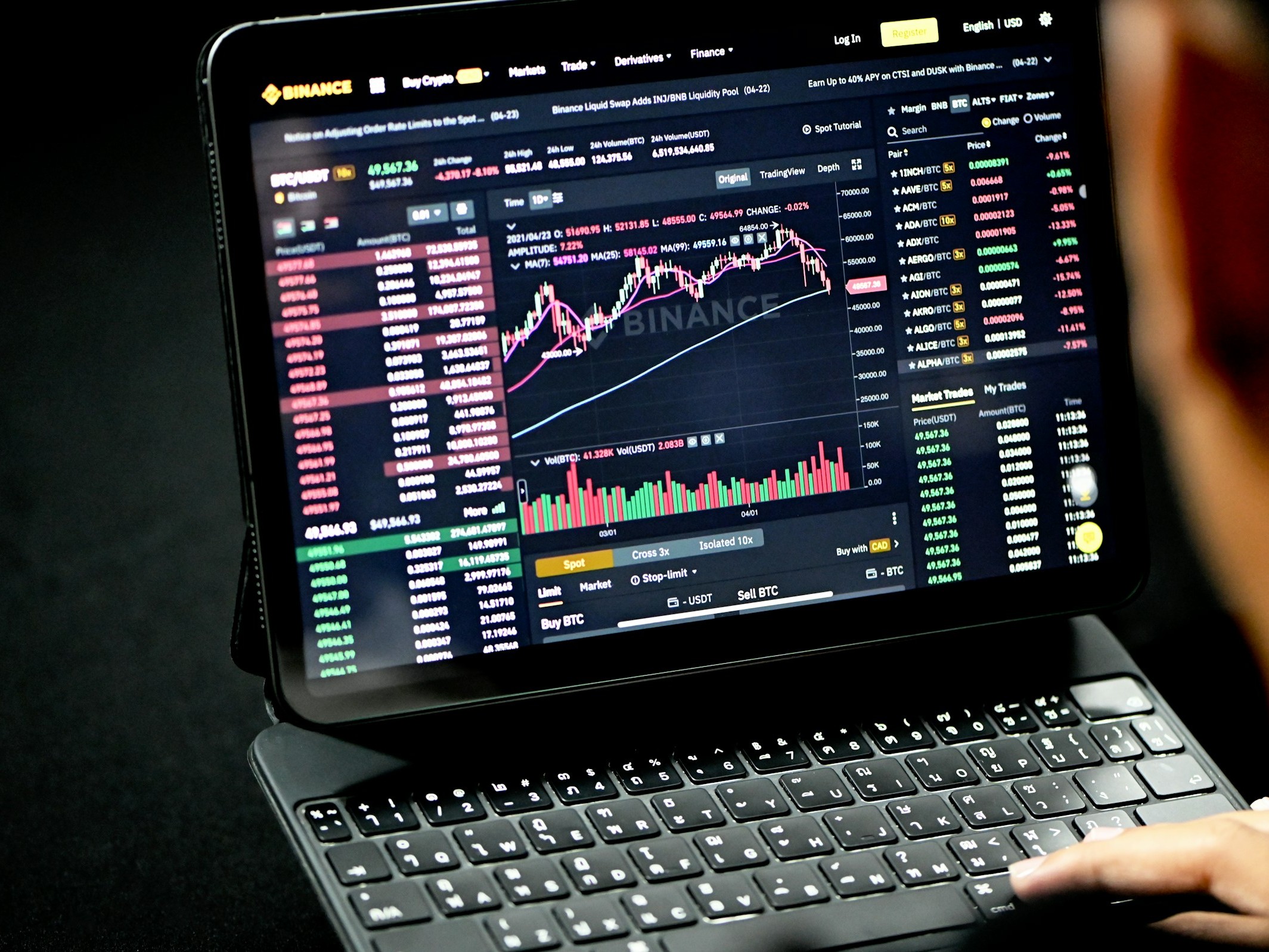
Choosing between 50+ funded trading platforms isn't about finding the universally "best" firm. It's about matching your specific trading style, risk tolerance, and psychological profile to the platform where those traits become advantages rather than liabilities. According to Finance Magnates, prop firms offer funding from $5,000 to $2,000,000, but that range means nothing if the platform's drawdown structure conflicts with how you actually trade.
The platforms below represent different specializations. Some excel at futures scalping. Others accommodate swing traders who hold positions overnight. A few prioritize educational support for beginners, while others cater to experienced traders seeking institutional-style conditions. Your job isn't reading every description. It's identifying which constraints align with your actual trading behavior.
1. FTMO: Best Overall for Structured Traders
FTMO maintains its reputation through verified payout history, transparent evaluation rules, and a trader dashboard that removes ambiguity from performance tracking. The platform works best for disciplined traders who thrive under a clear structure rather than those who need flexibility to experiment.
Evaluation Structure
The evaluation process follows a two-phase model with defined profit targets and maximum drawdown limits.
Trader Support
Educational resources include webinars, trading psychology content, and risk management frameworks. Global recognition means community support exists across time zones and languages.
Beginner Challenge
The psychological pressure of strict rules can overwhelm beginners who haven't yet developed emotional discipline. Passing the evaluation requires more than strategy competence. It demands consistency under performance pressure, which many traders underestimate until they're mid-challenge, watching their account approach drawdown limits.
2. Topstep: Best for Futures Traders
Topstep specializes in futures funding with evaluation structures built specifically around futures market dynamics. The platform's longevity in the space means rules reflect real-world futures trading conditions rather than generic prop firm templates.
Trader Development
Educational support extends beyond basic tutorials into structured trader development programs. The scaling system rewards consistency by gradually increasing account sizes for traders who demonstrate reliable risk management. Futures-focused communities provide strategy discussions specific to commodities, indices, and interest rate contracts.
Trailing Drawdown Pressure
Trailing drawdown rules require constant awareness of account peaks. A profitable morning session raises your drawdown threshold, meaning an afternoon losing streak could violate rules even if you're still net positive for the day. This structure works well for disciplined traders but punishes those who struggle with intraday psychology.
3. The5ers: Best for Conservative Traders
The5ers reduces time pressure by allowing traders to pass evaluations at their own pace. Swing traders and position traders benefit from this structure because they're not forced into high-frequency trading just to hit arbitrary profit targets within tight timeframes.
Long-Term Scaling
The platform emphasizes long-term scaling over quick wins. Traders who pass evaluations can gradually increase account sizes based on sustained performance rather than aggressive short-term gains. This approach aligns with conservative risk management philosophies that prioritize capital preservation.
Long-Term Scaling
Rules remain restrictive around specific trading behaviors. Even with reduced time pressure, traders must navigate position-sizing limits, overnight holding restrictions, and maximum-loss thresholds. The lower-pressure environment doesn't eliminate the need for disciplined execution.
4. FundedNext: Best for Flexible Account Models
FundedNext offers multiple evaluation structures within a single platform, allowing traders to choose challenge types that match their risk tolerance and timeline preferences. Some models include profit sharing during the evaluation phase itself, not just after funding.
Supported Trading Software
Platform variety extends to supported trading software. Traders can use MT4, MT5, cTrader, or other platforms depending on their preference. This flexibility matters for those with established workflows built around specific charting tools or execution interfaces.
Beginner Decision Paralysis
The abundance of options creates decision paralysis for beginners. Without a clear understanding of how each model's rules affect their specific strategy, traders often select based on marketing appeal rather than strategic fit. Too many choices without guidance becomes a weakness rather than a strength.
5. Funding Pips: Best for Fast Payouts
Funding Pips processes withdrawals weekly rather than monthly, reducing the psychological burden of waiting for earnings. Budget-conscious traders appreciate lower-cost challenge fees that make multiple attempts financially viable during the learning curve.
Fast Account Setup
Straightforward onboarding removes unnecessary complexity from account setup and verification. The platform prioritizes getting traders into evaluations quickly rather than burying them in documentation and administrative hurdles.
Account Type Differences
Rules vary significantly between account types within the same platform. A trader who passes one challenge type might struggle with another due to different drawdown structures or profit targets. This inconsistency requires careful review of specific account terms before purchase.
5. Blue Guardian: Best for Simpler Rule Structures
Blue Guardian streamlines evaluation rules by removing many of the secondary restrictions that complicate other platforms. The cleaner rulebook reduces cognitive load, allowing traders to focus on execution rather than compliance anxiety.
Reduced Mental Pressure
Beginners benefit from reduced mental pressure during evaluations. Fewer rules mean fewer ways to accidentally violate terms while learning platform-specific requirements. The simplified structure doesn't eliminate challenge difficulty, but it removes unnecessary friction.
Discipline Still Matters
Simple rules still demand disciplined risk management. Traders sometimes interpret "simpler" as "easier" and approach evaluations without sufficient preparation. The platform removes complexity, not accountability.
6. Apex Trader Funding: Best for Futures Scalpers
Apex targets active intraday futures traders with aggressive promotional pricing and flexible access to the futures market. The large community provides strategy discussions, market analysis, and peer support specific to high-frequency trading approaches.
Accessible Challenge Attempts
Frequent discount promotions make challenge attempts more accessible for traders testing their scalping strategies under funded conditions. Flexible scaling allows successful traders to increase position sizes as they demonstrate consistent profitability.
Intraday Drawdown Management
Trailing drawdown systems require precise intraday management. Scalpers executing dozens of trades daily must track account peaks continuously to avoid violating rules during normal market volatility. One strong morning session can make an average afternoon feel like a drawdown violation.
7. MyFundedFX: Best for Flexible Retry Systems
MyFundedFX accommodates the learning curve by offering retry opportunities and multiple challenge structures. Traders expecting to fail initial attempts can plan financially for multiple evaluations without prohibitive costs.
Smaller Challenge Options
Accessible pricing extends to various account sizes and evaluation types. Beginners can start with smaller challenges to test their readiness before committing to larger, more expensive evaluations. Multiple account structures let traders experiment with different rule sets.
Retry Discipline
Excessive retry flexibility can encourage undisciplined trading if traders view failed attempts as low-consequence experiments. The platform's leniency works best for self-aware traders who analyze failures systematically rather than those who simply keep retrying without strategic adjustment.
8. FTUK: Best for Realistic Trading Conditions
FTUK provides trial environments and practice accounts that mirror the conditions of live evaluation. Traders can test strategies under realistic constraints before purchasing challenges, reducing the likelihood of expensive surprises mid-evaluation.
Sustainable Risk Management
The platform emphasizes long-term consistency over short-term performance spikes. Evaluation structures reward traders who demonstrate sustainable risk management rather than those who hit profit targets through aggressive, unsustainable position sizing.
Practice Vs Real Pressure
Practice environments don't eliminate the psychological pressure of real evaluations. Traders often perform differently when actual money is at stake, even if the trading conditions remain identical. Realistic practice helps, but it doesn't fully replicate the emotional experience of funded challenges.
9. Goat Funded Trader: Best for Modern Beginner Experience
Goat Funded Trader streamlines onboarding through modern platform interfaces and beginner-focused educational content. The active trader community provides peer support, strategy discussions, and shared learning experiences for those new to funded trading.
Lower Entry Barriers
Accessible account structures reduce entry barriers for traders exploring prop funding for the first time. The platform's online visibility and marketing make it discoverable for beginners researching funded trading options.
Payout Reliability Research
Newer firms require careful research into payout reliability. Strong marketing presence doesn't guarantee operational maturity or consistent withdrawal processing. Traders should verify payout histories through independent sources rather than relying solely on platform-published testimonials.
10. Earn2Trade: Best for Educational Futures Traders
Earn2Trade combines funded evaluations with structured educational programs focused on futures trading fundamentals. The platform works best for traders who want to develop skills alongside funding opportunities rather than those seeking purely transactional challenge experiences.
Futures-Specific Training
Futures specialization means educational content addresses specific market dynamics, contract specifications, and futures-specific risk management approaches. Structured development programs guide traders through progressive skill-building rather than dropping them into evaluations unprepared.
Mandatory Learning Structure
Some traders prefer more flexible account structures without mandatory educational components. The platform's integrated approach works well for learners but may feel restrictive for experienced traders who simply want funding without additional training requirements.
11. Lux Trading Firm: Best for Professional-Style Traders
Lux Trading Firm positions itself as a firm for experienced traders seeking institutional-style trading environments. The professional reputation and serious trading focus attract traders who've outgrown beginner-oriented platforms.
Career-Focused Growth
Long-term scaling potential rewards sustained performance with gradually increasing account sizes and improved profit splits. The platform emphasizes career development over quick funding, appealing to traders viewing prop trading as a long-term profession.
Less Beginner-Friendly
The professional orientation can feel intimidating or less accessible for newer traders. The platform's positioning suggests it's designed for those with established track records rather than those still developing fundamental skills.
12. TradeDay: Best for Simplicity in Futures Funding
TradeDay simplifies futures evaluations through cleaner account structures and straightforward rule sets. Futures beginners benefit from reduced complexity during their initial funded trading experiences.
Beginner Support
Beginner accessibility extends to educational resources and support systems designed for those new to futures markets. The platform removes unnecessary friction from the evaluation process while maintaining realistic performance standards.
Drawdown Management
Disciplined drawdown management remains essential despite simplified structures. Traders sometimes confuse simpler rules with easier challenges, approaching evaluations without adequate preparation for the psychological demands of funded trading.
13. Maven Trading: Best for Forex and CFD Flexibility
Maven Trading accommodates forex and CFD traders through flexible account options and broad market accessibility. The modern platform environment supports various trading styles across multiple asset classes.
Market And Timeframe Flexibility
Flexible account structures let traders choose evaluation types that match their preferred markets and timeframes. The platform's market breadth appeals to traders who want exposure beyond futures or who trade multiple asset classes simultaneously.
Account-Specific Rules
Account-specific restrictions require careful review before enrollment. Rules governing overnight positions, weekend holdings, and leverage vary between account types. Traders must verify that their specific trading approach aligns with the chosen account terms.
14. Hola Prime: Best for Beginner Support and Guidance
Hola Prime emphasizes trader support systems and educational guidance designed for those new to funded trading. Multiple platform options accommodate different software preferences and trading workflows.
Onboarding And Education
Beginner-oriented support includes onboarding assistance, rule clarification, and educational resources addressing common beginner mistakes. The educational focus helps newer traders understand evaluation requirements before attempting challenges.
Independent Decision-Making
Support systems complement rather than replace personal trading discipline. Traders sometimes rely too heavily on external guidance instead of developing independent decision-making skills. The platform's support works best when traders use it to accelerate learning rather than substitute for it.
15. How to Actually Choose the Right One
Matching platform to strategy requires an honest assessment of your actual trading behavior.
-
Do you hold positions overnight or close everything before market close?
-
Do you scalp with dozens of daily trades or open five positions weekly?
-
Do you trade futures, forex, or both?
Drawdown Preference
Drawdown preference matters more than most traders realize. Static drawdown remains fixed regardless of account growth, while trailing drawdown increases with profits. Scalpers often prefer static structures because trailing drawdowns punish normal intraday volatility. Swing traders sometimes prefer trailing structures because they protect accumulated gains.
Payout Speed
Payout speed affects psychological comfort during funded trading. Some traders need weekly withdrawals to maintain confidence and motivation. Others prefer monthly payouts that reduce administrative friction. Neither approach is superior. It's about matching platform structure to your psychological needs.
Evaluation Pressure
Evaluation pressure tolerance varies dramatically between traders. Some thrive under tight profit targets and strict timelines. Others perform better in lower-pressure environments with extended evaluation periods.
Structured Firm Comparison
Platforms like TradingPilot centralize comparison across 50+ firms and 710+ challenges, filtering by drawdown type, market access, evaluation structure, and verified payout history. Instead of manually comparing dozens of rulebooks, traders answer questions about their actual trading behavior and receive matches ranked by compatibility with their specific approach.
Strategic Compatibility
The goal isn't to find the platform with the best reputation or the lowest fees. It's identifying where your natural trading style faces the fewest artificial constraints. That requires comparing rule structures, drawdown models, and evaluation requirements across multiple firms simultaneously, which becomes nearly impossible without structured filtering tools.
Don't Let the Wrong Funded Trading Platform Create Problems Your Strategy Never Had
Most traders approach funded account selection backward. They read reviews, compare fees, and chase promotional offers without asking the critical question: Does this platform's rule structure actually support how I trade?
The result is predictable. You pay for an evaluation designed to conflict with your natural decision-making rhythm, then blame yourself when the account fails. The platform didn't break your strategy. You just chose one that was never built for it.
Rule Conflict Filtering
That's the problem TradingPilot solves. Instead of manually researching dozens of funded trading brokers and hoping you catch every rule conflict before it costs you, you can filter firms by the exact constraints that matter to your approach.
-
Static versus trailing drawdown.
-
Overnight position policies.
-
Scalping execution quality.
-
Consistency rule requirements.
Every variable that determines whether a platform amplifies your edge or quietly sabotages it becomes searchable, comparable, and transparent before you spend a dollar on an evaluation.
Strategy-Based Search
The process takes minutes. Search based on the specific challenge affecting your trading most.
-
Static drawdown funded brokers if trailing models create unnecessary stress.
-
Swing trading is allowed if you hold positions through sessions.
-
Scalping-friendly funded accounts if execution speed determines profitability.
-
No consistency rule brokers if your strategy produces irregular win patterns.
You're not looking for the best platform. You're identifying which rule structures create the fewest artificial obstacles between your strategy and consistent profitability.
Compare Before Commitment
You can compare firms, analyze payout structures, and review trading restrictions without paying for anything. The comparison happens before commitment, not after failure. That's the advantage of having verified data across 50+ firms and 710+ challenge structures in one place. You see which platforms match your psychological comfort level and which ones will turn every trade into a compliance calculation instead of a strategic decision.
Rules That Support Your Process
The traders who succeed in funded accounts aren't necessarily more skilled. They're just trading on platforms where the rules align with how they naturally manage risk, time positions, and respond to market conditions. When the structure supports your process instead of fighting it, passing evaluations stops feeling like luck and starts feeling like the logical outcome of preparation meeting opportunity.
Related Reading
-
Best Prop Trading Challenges With No Hidden Fees