
Crypto Trading Profits

If you've ever wondered how much do stock traders make, you're not alone in asking what's truly possible when it comes to earning real money from the markets. The curiosity extends beyond traditional equities into cryptocurrency trading, where profit potential draws thousands of new traders daily seeking financial independence through Bitcoin, Ethereum, altcoins, and digital asset speculation. This article breaks down crypto trading profits, explores realistic earning expectations, and shows you how to find the best prop firms that can amplify your trading capital and compare them based on fees, profit splits, and market access.
TradingPilot simplifies your search by offering a curated directory of the best prop trading firms specializing in crypto and traditional markets. Instead of spending weeks researching funding options, leverage limits, and withdrawal policies across dozens of proprietary trading companies, you can quickly compare platforms that match your trading style and profit goals in one centralized location.
Summary
-
Cryptocurrency trading attracts thousands of new participants daily, yet research from For Traders shows that 90% of day traders lose money, with crypto markets amplifying the same behavioral mistakes identified in traditional trading. The volatility that creates 100% monthly gains also produces 80% drawdowns, and without disciplined risk management, most traders experience catastrophic losses far more often than sustainable profits.
-
Bitcoin fell 77% between November 2021 and November 2022, while Ethereum dropped 82% during the same period. Many altcoins lost 90 to 99% from their peaks. The challenge isn't just the magnitude of these moves but the speed at which they happen, turning calculated risks into catastrophic losses before protective measures activate.
-
At 100x leverage, a 1% adverse move liquidates your entire position, and crypto markets routinely move more than 1% within hours during normal conditions. You're not trading with an edge at that point but operating within liquidation ranges that occur multiple times per day.
-
Round-the-clock trading creates constant decision pressure that compounds over weeks. While stock traders close their platforms at 4 PM and disconnect, crypto traders face significant price movements at 3 AM and major announcements during weekends. The fear of missing a move while you sleep creates a psychological burden that degrades judgment, with traders reporting they check charts during meals, wake multiple times per night, and make impulsive decisions based on overnight price action they didn't witness.
-
Forbes reports that 3 billion people now have access to crypto markets, and that adoption scale matters because liquidity follows participation. When hundreds of millions of users trade across thousands of exchanges, price discovery becomes continuous. More participants mean tighter spreads, faster execution, and fewer liquidity traps on major pairs.
-
Research by Barber and Odean found that highly active traders significantly underperformed less active investors, yet crypto's 24/7 operation creates constant pressure to monitor charts and react to every price movement. A 0.05% spread versus 0.5% on a $10,000 trade costs $5 instead of $50, and executing 200 trades annually turns that gap into $9,000 in pure slippage expense.
TradingPilot addresses this by allowing traders to compare prop firms based on execution costs, slippage patterns, fee structures, and crypto compatibility before committing capital to evaluation.
Is Crypto Trading Profitable

Crypto trading can be profitable, but most retail traders lose money because they conflate market opportunity with their own execution. The same volatility that creates 100% monthly gains also produces 80% drawdowns, and without disciplined risk management, most traders experience the latter far more often than the former. Profitability depends less on which coins you pick and more on how you manage position sizing, leverage, and trading frequency.
Why Volatility Doesn't Equal Profit
The numbers reveal a pattern most beginners miss. According to For Traders, 90% of day traders lose money, and crypto markets amplify the same behavioral mistakes identified in traditional trading research. You see Bitcoin climb from $15,000 to $69,000 and assume the upward path is straightforward. What you don't see is the 77% drawdown that followed, or the thousands of traders who entered near the peak, used 20x leverage, and watched their accounts evaporate during a routine 5% correction.
Volatility creates opportunity, but it also magnifies every mistake.
-
A stock trader might survive poor position sizing because daily moves rarely exceed 3%.
-
A crypto trader using the same approach faces 10% intraday swings, turning small errors into account-ending losses.
The market doesn't care about your intentions.
The Hidden Cost of Constant Trading
Most traders calculate potential profits but ignore execution friction. Every trade carries spread costs, slippage, and exchange fees that quietly drain capital. If you trade a lower-liquidity altcoin 100 times per year with a 0.50% spread, you lose $5,000 annually on a $10,000 position size before your strategy even proves itself. That's $4,500 more than trading Bitcoin with a 0.05% spread under identical conditions.
Behavioral finance research shows that increased trading frequency usually produces lower returns, not higher ones. You chase momentum after a coin rises 50%, enter as media attention peaks, and absorb the correction when late entrants panic. This cycle repeats across every major crypto rally because timing the market is statistically harder than holding through volatility. The traders who compounded wealth in crypto often traded less, not more.
When Leverage Becomes a Liquidation Timer
Crypto exchanges advertise 50x and 100x leverage as profit accelerators. The mathematics tell a different story. At 100x leverage, a 1% adverse move liquidates your entire position, and crypto markets routinely move more than 1% within hours during normal conditions. You're not trading with an edge at that point. You're operating within liquidation ranges that occur multiple times per day.
Many prop firms restrict crypto trading or impose strict rules around leverage and drawdown limits precisely because retail behavior in volatile markets creates predictable failure patterns. TradingPilot helps traders identify which firms actually support crypto strategies with realistic rules versus those that market crypto access but structure evaluations to fail. Verifying payout methods, drawdown policies, and instrument restrictions before paying for a challenge prevents wasted capital on incompatible platforms.
The Profitability Gap Between Hype and Reality
Cointelegraph reports that short-term Bitcoin traders were profitable for 66% of 2025, which sounds encouraging until you realize that 34% of the time, even Bitcoin traders with favorable conditions struggled. Extend that analysis to altcoins with 90% drawdowns, add leverage, increase trading frequency, and the profitability window narrows dramatically. The same research showing occasional profitability also reveals that survival requires controlling risk during the 34% of periods when conditions turn hostile.
Crypto can generate extraordinary returns, but the traders who capture them usually aren't the ones chasing the biggest moves. They're the ones who survive long enough to compound gains across multiple cycles, avoid liquidation during corrections, and resist the urge to overtrade during euphoria. Profitability exists, but it belongs to those who treat volatility as risk to manage, not opportunity to maximize.
Related Reading
Challenges of Crypto Trading
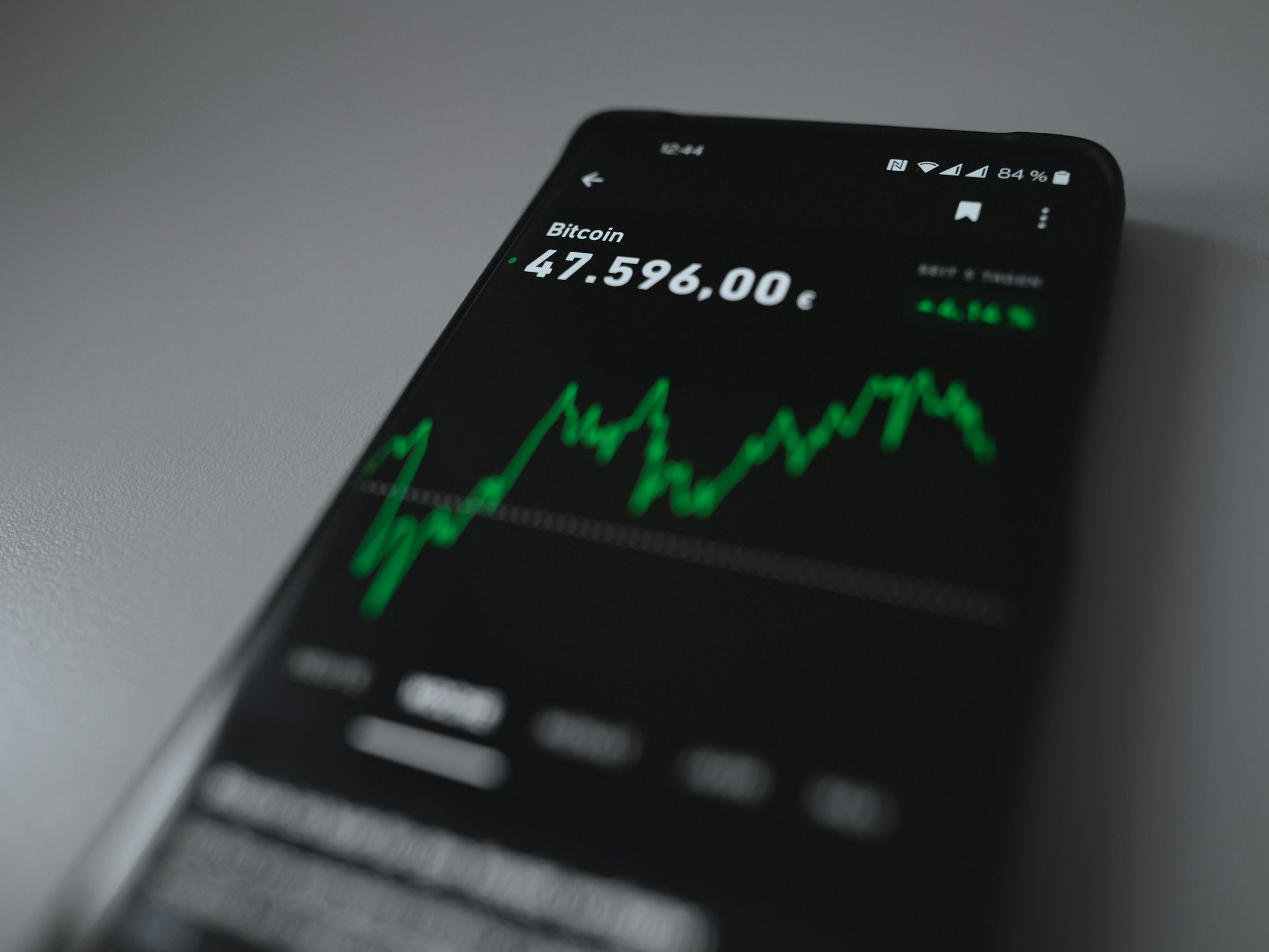
The challenges in crypto trading aren't just about market complexity. They're about the specific ways this market punishes behaviors that work elsewhere. Traditional risk controls break down when Bitcoin volatility can exceed 80% annually, liquidity vanishes without warning, and the market operates without pause. Understanding these challenges means recognizing where your instincts will fail you.
Extreme Price Swings Destroy Risk Models
Bitcoin fell 77% between November 2021 and November 2022. Ethereum dropped 82% during the same period. Many altcoins lost 90-99% of their peak levels. The problem isn't just the magnitude of these moves. It's that they happen faster than most traders can emotionally process, turning calculated risks into catastrophic losses before protective measures activate.
A stop-loss that feels conservative at 5% becomes meaningless when prices gap 15% overnight. This speed creates a specific trap: traders either set stops so tight they get shaken out of winning positions, or so wide they expose themselves to ruinous drawdowns. Neither approach survives sustained volatility.
The Market Never Sleeps, So Neither Can You
While stock traders close their platforms at 4 PM and disconnect, crypto traders face constant decision pressure. Significant price movements happen at 3 AM. Major announcements drop during weekends. The fear of missing a move while you sleep creates a psychological burden that compounds over weeks.
Traders report checking charts during meals, waking multiple times per night, and making impulsive decisions based on overnight price action they didn't witness. Round-the-clock access doesn't create more opportunities. It creates decision fatigue that degrades judgment precisely when clarity matters most.
Information Overload Replaces Analysis With Noise
Social media predictions, influencer opinions, project announcements, token launches, macroeconomic news, and blockchain metrics arrive simultaneously from dozens of sources. One analyst predicts a rally to new highs. Another warns of imminent collapse. Both sound credible. Both cite data.
The challenge isn't finding information. It's separating signal from noise when you're exhausted, positions are moving against you, and every source claims urgency. Most traders end up making decisions based on whichever narrative feels most compelling in the moment, which usually means buying after hype peaks and selling after panic spreads.
Security Risks Can Erase Months of Gains in Minutes
Unlike traditional markets where brokers handle custody, crypto places security responsibility directly on traders.
Exchange failures, wallet breaches, phishing attacks, smart contract vulnerabilities, and lost private keys represent genuine threats that don't exist in stock trading. A profitable trading record means nothing if you can't access your assets safely. According to a16z Crypto's State of Crypto 2025 Report, over $200 billion in stablecoin market cap now exists across multiple platforms, each with different security standards and custodial risks.
Many traders discover too late that protecting capital requires as much attention as growing it. The mental bandwidth spent on security concerns, two-factor authentication, hardware wallet management, and exchange vetting subtracts from the focus needed for actual trading decisions.
Low Liquidity Creates Exit Traps
A position might show attractive profits on screen while the actual market depth makes exiting at that price impossible. Wider bid-ask spreads, larger price gaps, increased slippage, and sudden liquidity shortages turn theoretical gains into realized losses. You watch your profit target hit, place your sell order, and discover the market can only absorb half your position at a price 8% lower than displayed.
This liquidity risk intensifies during volatility. The exact moments when you most need to exit are when order books thin out and spreads widen. Experienced traders learn to prioritize liquidity before profit potential, but that lesson usually comes after watching a winning trade become a losing one because the exit didn't exist.
Regulatory Uncertainty Adds Non-Market Risk
Changes in exchange regulations, taxation rules, token classifications, and compliance requirements can alter market access or profitability overnight. A trading strategy that's legal and profitable on Monday might become restricted or unprofitable by Friday due to regulatory announcements that have nothing to do with price action or technical analysis.
For traders, this means market risk extends beyond charts and indicators. You're not just predicting price movements. You're also betting that the regulatory framework supporting your strategy remains stable long enough to realize profits. That's a variable traditional markets resolved decades ago.
Emotional Decisions Compound Faster in Crypto
FOMO drives traders into positions after moves are exhausted. Panic selling locks in losses at local bottoms. Revenge trading after a loss leads to position sizing that violates every risk rule. Momentum chasing turns small accounts into smaller ones. These behavioral mistakes feel justified in crypto because the market moves so quickly that impulsive decisions can seem rational.
The real danger isn't making one emotional decision. It's that crypto's 24/7 volatility provides endless opportunities to make the next one before you've recovered from the last. A trader who makes three emotional decisions per week in stocks might make three per day in crypto, compounding damage faster than any edge can overcome.
Crypto Trading Challenges
The challenges aren't about finding opportunities; crypto provides those constantly. The real test is whether you can:
-
Navigate extreme volatility
-
Constant market access
-
Information chaos
-
Liquidity traps
-
Security demands
-
Regulatory shifts
-
Emotional pressure
Most traders can't, which explains why profitability remains elusive despite obvious market movements.
6 Reasons Why Trade Crypto as a Beginner

Crypto attracts beginners because it removes traditional barriers while providing immediate exposure to real market dynamics. You can start with minimal capital, trade any hour of the day, and access the same price movements that institutional traders see. But accessibility doesn't mean simplicity. The real value isn't ease. It's that crypto compresses years of market education into months, provided you survive the learning curve.
1. Market Growth Creates Sustained Opportunity
Forbes reports that 3 billion people now have access to crypto markets. That adoption scale matters because liquidity follows participation. When hundreds of millions of users trade across thousands of exchanges, price discovery becomes continuous. Major assets like Bitcoin and Ethereum maintain order book depth that rivals traditional equity markets.
This isn't about hype cycles. It's about infrastructure maturation. More participants mean tighter spreads, faster execution, and fewer liquidity traps on major pairs. Even during bear markets, Bitcoin processes billions in daily volume. That sustained activity creates trading setups regardless of directional bias.
2. Volatility Produces Frequent Entry Points
Bitcoin's annualized volatility typically ranges between 40% and 80%. Compare that to large-cap stocks hovering around 15% to 30%. The difference isn't just academic. A 5% intraday move in Bitcoin happens multiple times per month. In traditional equities, that same percentage move might take weeks or require an earnings catalyst.
For active traders, this creates operational flexibility. You don't wait for quarterly reports or macroeconomic shifts to generate tradable movement. Price discovery happens continuously across global time zones, producing setups during Asian, European, and American sessions. The challenge isn't finding opportunities. It's developing the discipline to take only the ones that match your strategy.
3. Continuous Markets Remove Time Constraints
Stock exchanges close. Crypto markets don't. That structural difference eliminates overnight gaps caused by news events during off-hours. When a traditional equity trader wakes up to a 10% gap down, their stop-loss never triggered. In crypto, prices move continuously, enabling real-time risk management throughout the day.
This accessibility cuts both ways. Continuous operation means continuous exposure. Traders often struggle to disconnect, checking positions at midnight or on weekends. The market never pauses, so neither does the psychological pressure. But for those who establish clear trading windows and stick to them, 24/7 access means participating when it fits your schedule, not when an exchange dictates.
4. Low Entry Barriers Accelerate Participation
You can buy $10 of Bitcoin. Try doing that with Berkshire Hathaway Class A shares. Fractional exposure removes the capital requirement that traditionally kept retail traders out of high-value assets. Most crypto exchanges accept deposits under $100, require no minimum account balance, and process trades within seconds.
Traditional brokerage accounts often impose pattern day trader rules, settlement delays, and margin requirements that restrict how beginners operate. Crypto platforms rarely enforce those constraints. You can execute multiple trades daily without triggering regulatory flags. But removing barriers also removes guardrails. The same accessibility that lets you start small also lets you overtrade, overleverage, and blow through capital before developing proper risk protocols.
5. Deep Liquidity Supports Execution Quality
Bitcoin and Ethereum consistently rank among the most liquid assets globally. Top-tier exchanges handle order flow that rivals major stock exchanges. This liquidity directly impacts your trading costs.
-
Tight bid-ask spreads reduce slippage.
-
Deep order books allow larger position sizes without moving the market against you.
Liquidity matters most when you need to exit. A 2% spread on a low-volume altcoin costs you $200 on a $10,000 position before the price even moves. That same trade on Bitcoin might cost $20. Over dozens of trades, spread costs compound into a significant performance drag. Beginners often chase obscure tokens with massive percentage gains, ignoring the fact that poor liquidity turns theoretical profits into real losses in execution.
6. Real-Time Exposure Accelerates Pattern Recognition
Crypto markets expose you to live order book dynamics, rapid volatility shifts, and immediate news impact. A single tweet can move Bitcoin 3% in minutes. Central bank announcements trigger coordinated reactions across thousands of trading pairs simultaneously. This high-frequency environment forces you to recognize patterns faster than traditional markets demand.
The learning acceleration works only if you approach it systematically. Unstructured participation just burns capital faster. But traders who document setups, track execution quality, and review what worked versus what didn't develop market intuition in months that might take years in slower-moving assets. You see more price behavior, more order flow dynamics, and more sentiment shifts in a single crypto quarter than a full year trading blue-chip stocks.
Why Prop Firms Change the Equation
Most beginners trade crypto with personal capital, which means every loss comes directly from their savings. That emotional weight amplifies mistakes. Fear of losing rent money turns a manageable 2% drawdown into panic selling. Prop firms remove that psychological burden by providing funded accounts, but not all firms treat crypto traders equally.
Choosing Crypto-Friendly Prop Firms
Some prop firms restrict crypto trading entirely. Others allow it but impose payout structures that penalize the volatility inherent to digital assets. The difference between a firm that understands crypto's 24/7 nature and one built for traditional market hours determines whether your strategy even qualifies for funding. Comparing evaluation rules, drawdown calculations, and payout methods across firms prevents you from paying for challenges designed around trading conditions that don't match how crypto actually moves.
Platforms like TradingPilot let you filter firms by crypto compatibility, profit split structures, and whether they process payouts in digital assets, so you're not guessing which evaluations align with your approach.
Related Reading
-
Day Trading Leverage
-
Futures Options Trading
-
Best Time Frame For Crypto Trading
8 Tips for Making Crypto Trading Profits for Beginners
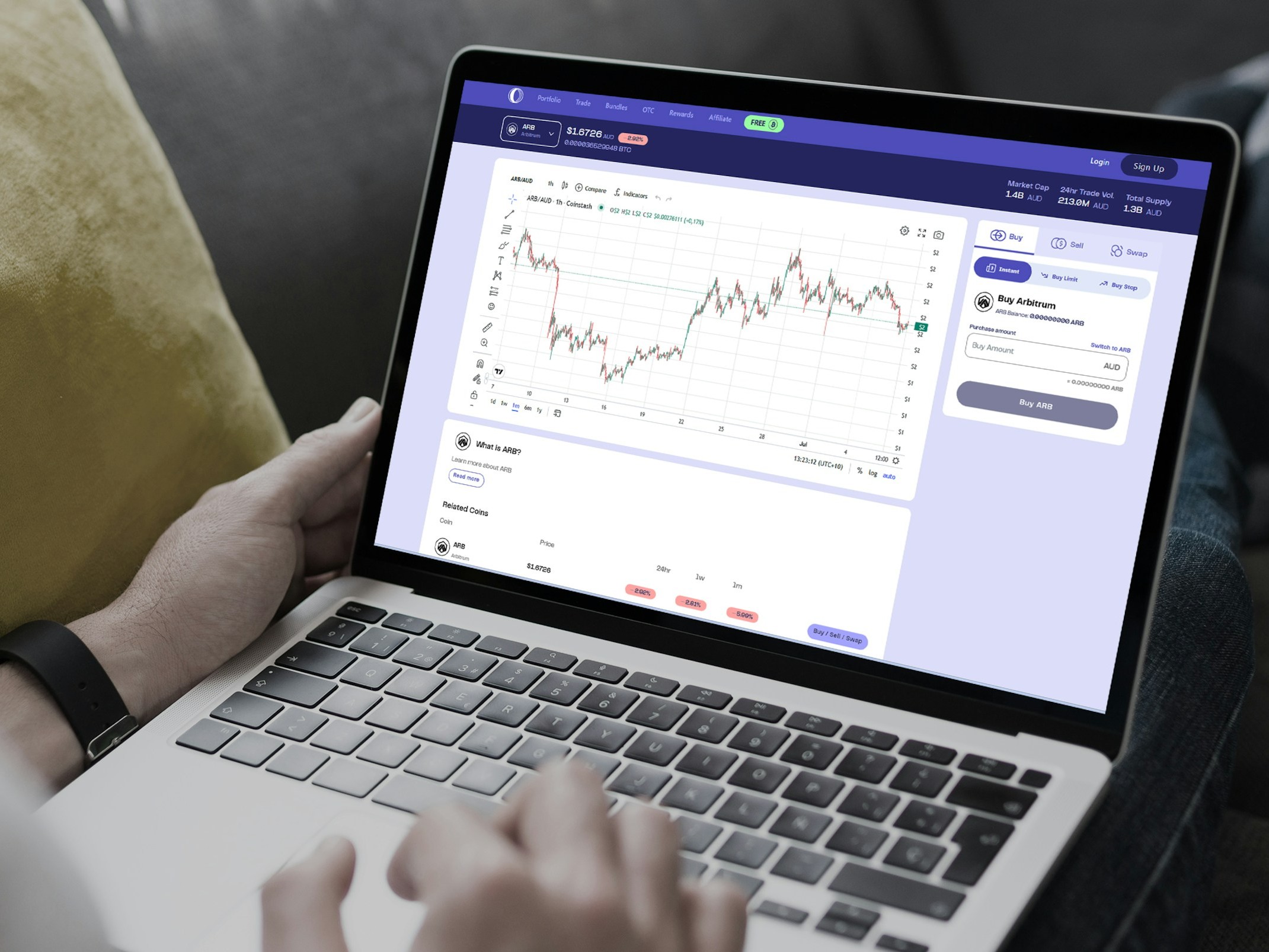
Making crypto trading profitable requires shifting from opportunity-seeking to risk architecture. Most beginners focus on finding the next winning trade instead of designing a system that survives losing streaks. The difference between traders who extract consistent profits and those who cycle through account blowups isn't intelligence or market timing. It's whether they've built rules that protect capital during the inevitable periods when volatility moves against them.
Profitability in crypto doesn't come from predicting price movements. It comes from controlling position sizing, managing execution costs, and maintaining emotional discipline when markets operate 24/7 without circuit breakers or closing bells.
1. Design Risk Parameters Before Profit Targets
The first question most beginners ask is wrong. "How much can I make?" matters less than "How much am I willing to lose on this specific trade?" Crypto markets move 10-20% in single sessions. Without predefined loss limits, a promising position can become an account-damaging event before you react.
Professional traders limit risk to 1-2% of account equity per trade. With a $5,000 account, that means accepting a maximum loss of $50 on any position. This constraint forces smaller position sizes, which feels restrictive until you experience your first 15% overnight gap against your position. Surviving volatility is what allows you to profit from volatility. Dead capital earns nothing.
2. Build Exit Strategies Before Entry
Beginners successfully identify winning trades but fail to hold on to the profits. Markets reverse without warning, and positions that showed 30% gains can return to breakeven within hours. The pattern repeats because most traders plan entries but not exits.
Before opening any position, define two profit targets and one stop-loss level. Take 25% profit at your first target, another 25% at your second target, and move your stop-loss to break even once the first target hits. This removes the emotional question of "should I sell now?" when prices spike or crash. The decision was made before cortisol flooded your system.
3. Reduce Your Watchlist, Increase Your Pattern Recognition
Information overload destroys decision quality. Influencer predictions, social media hype, new token launches, and breaking news create constant noise. Trying to track hundreds of assets means understanding none of them deeply.
Focus on a small watchlist of 3-5 assets. Learn how they behave around support and resistance levels. Track their volume patterns. Understand which news events move them and which get ignored. Many profitable traders focus solely on Bitcoin and Ethereum because liquidity, spread costs, and behavioral patterns are predictable. The goal isn't finding more opportunities. The goal is to recognize better opportunities within assets you actually understand.
4. Prioritize Liquidity Over Potential Gains
A coin showing 200% gains looks attractive until you try to exit the position. Low liquidity can create slippage that consumes 5-10% of your capital in a single trade. The bid-ask spread widens during volatility, meaning you buy high and sell low even when your directional call was correct.
Before entering any trade, check trading volume, order book depth, and bid-ask spread. Major cryptocurrencies like Bitcoin and Ethereum offer significantly better liquidity than speculative altcoins. Lower spreads preserve more of your profits. A 3% gain on a liquid asset beats a 10% gain on an illiquid one if execution costs consume 8% of the latter.
5. Treat Security as Profitability Infrastructure
A profitable trade means nothing if funds disappear to poor security practices. Many traders focus entirely on market risk while ignoring security risk. Both destroy profitability, but only one can be eliminated completely through basic hygiene.
Enable two-factor authentication on all accounts.
-
Use strong, unique passwords.
-
Avoid suspicious links.
-
Secure long-term holdings in hardware wallets once your capital reaches a threshold where exchange risk outweighs convenience.
Security isn't separate from trading strategy. It's the foundation that determines whether you keep what you earn.
6. Replace Willpower With Rules
The crypto market operates 24/7, creating constant pressure to monitor charts and react to every price movement. Without objective rules, this environment amplifies FOMO, panic selling, and revenge trading. Research by Barber and Odean found that highly active traders significantly underperformed less active investors.
Create rules that remove discretion: a maximum number of trades per day, predefined stop-loss and profit levels, and mandatory cooldown periods after losses. Often, the most profitable decision is not taking another trade. Rules enforce this when emotion argues otherwise. Discipline isn't about willpower. It's about designing systems that make the right decision automatic.
7. Evaluate Platform Infrastructure Before Committing Capital
Many traders spend weeks researching coins but minutes evaluating the platform they use. This creates expensive oversights. Trading fees, spreads, execution quality, and available order types compound across hundreds of trades. Even small differences in cost structure can determine whether your strategy remains profitable.
Compare platforms based on trading costs, available order types, security protections, and platform stability during volatile periods. The familiar approach is choosing a platform based on brand recognition or where friends trade. As your strategy develops and position sizes grow, misaligned platform features create friction. Order types you need become unavailable. Fee structures consume profits. Payout methods don't support your withdrawal preferences.
Comparing Prop Firm Rules
Platforms like TradingPilot help traders systematically compare best prop trading firms based on specific criteria that matter: evaluation types, profit splits, drawdown rules, payout speed, and trading restrictions including crypto support. This prevents the costly mistake of paying for evaluations at firms whose rule structures conflict with your actual trading behavior, particularly for crypto strategies where some firms restrict instruments or payout methods while others embrace them.
8. Start Small and Scale Only After Proving Consistency
The fastest way to lose money is trading large positions before proving your strategy works. Professional traders scale after demonstrating consistency. Beginners often do the opposite, risking large amounts while still learning whether their approach generates edge.
-
Start with small position sizes.
-
Track every trade.
-
Measure win rate, average gain, average loss, and maximum drawdown.
-
Review performance monthly.
The goal is to gather evidence that your strategy works before increasing risk. If you can't generate profits with $500 positions, you won't generate them with $5,000 positions. You'll just lose faster.
But knowing which rules to follow doesn't tell you which platform infrastructure supports following them.
How to Choose the Right Crypto Trading Platform in 7 Steps

Platform choice determines execution quality before your first trade. The exchange you select creates the infrastructure for every entry, exit, and profit calculation. Choosing based on interface design or signup bonuses misses the mechanics that actually impact account growth.
1. Prioritize Liquidity Before Anything Else
Liquidity controls how much money you lose between decision and execution. On high-volume platforms, U.Today reports over 600 cryptocurrencies available for trading, but what matters is depth on the pairs you actually trade. Bitcoin and Ethereum maintain tight spreads across major exchanges because trading volume is concentrated there.
The difference shows up in execution cost. A 0.05% spread versus 0.5% on a $10,000 trade costs $5 instead of $50. Execute 200 trades annually, and that gap becomes $9,000 in pure slippage expense. This isn't a feature comparison; it's a profitability filter.
Altcoins with thin order books widen spreads during volatility. A 2% spread during a breakout trade erases your edge before price moves in your favor. Check volume depth, not just availability.
2. Compare Total Transaction Costs, Not Just Trading Fees
Most traders see "0.1% trading fee" and stop looking. Real cost includes maker versus taker rates, withdrawal fees, spread markup, and funding rates if you trade derivatives.
Run the full calculation.
-
If you trade $50,000 monthly volume, a 0.10% fee costs $50 per month while 0.50% costs $250.
-
Annually, that's $600 versus $3,000. Add withdrawal fees if you move funds regularly, and the gap widens further.
Active traders executing frequent orders see a compounding impact. The platform with lower headline fees but higher withdrawal costs might end up costing more if you rebalance weekly. Calculate based on your actual trading pattern, not theoretical scenarios.
3. Measure Execution Quality, Not Just Speed
Two platforms with identical fees produce different profits if one fills orders poorly. Execution quality means consistent spreads during volatility, minimal slippage on market orders, and reliable limit fills at your specified price.
Test this during high-volume periods. If spreads widen 5x during news events, your stop-loss triggers at worse prices than expected. A platform showing 0.1% spread in calm markets but 0.8% during Bitcoin announcements costs you 0.7% every time volatility spikes.
Order-fill reliability matters more than millisecond-level speed for most retail strategies. If your limit order sits unfilled while price moves through your level, the platform's matching engine prioritizes other flow over yours.
4. Security Determines Whether You Keep Profits
Cheap fees mean nothing if the exchange gets hacked. Cold storage custody, proof of reserves, two-factor authentication, and withdrawal whitelists separate professional infrastructure from risky platforms.
Check whether the exchange publishes reserve audits. Platforms holding customer funds in hot wallets create unnecessary risk. If 90% of assets stay in cold storage with multi-signature requirements, your capital has structural protection even if individual accounts get compromised.
Withdrawal security should include mandatory delays and confirmation steps. Instant withdrawals feel convenient until someone accesses your account. A 24-hour withdrawal hold with email and SMS confirmation prevents most unauthorized transfers.
5. Match Platform Tools to Your Trading Approach
Beginners need simple interfaces with clear order entry and basic charting. Active traders require advanced order types, low-latency execution, and access to futures. Using the wrong platform leads to execution errors that appear to be strategy failures.
If you trade breakouts using stop-limit orders, the platform must support that order type with reliable triggers. If you scale into positions across multiple price levels, you need bracket orders. Missing tools force workarounds that add slippage and mistakes.
Interface complexity works both ways. Overloaded dashboards slow decision-making for straightforward strategies. Clean design with essential functions beats feature-packed platforms you can't navigate under pressure.
Comparing Trading Platform Costs
Most traders choose platforms based on promotional offers without testing whether the infrastructure matches their actual trading frequency and style. TradingPilot lets you compare execution costs, slippage patterns, and fee structures across exchanges before committing capital, showing which platform best fits your specific strategy requirements rather than relying on generic marketing claims.
6. Compare Platforms Using Actual Performance Metrics
Ads highlight bonuses and referral rewards. Performance metrics show execution quality, fee impact, and slippage under real conditions. The gap between marketing and mechanics determines whether you profit or subsidize the platform.
Test spreads during volatile sessions. Compare how quickly limit orders fill at your price versus how quickly they slip to worse levels. Measure whether stop-losses trigger at expected prices or gap through your levels during fast moves.
Track total cost per trade, including all fees. A platform advertising low trading fees but charging high withdrawal costs and wide spreads costs more than one with transparent, consolidated pricing. Calculate based on your monthly volume and withdrawal frequency.
7. Run Small-Scale Tests Before Full Commitment
Execute 10 to 20 demo trades measuring spread consistency, order fill quality, and slippage during different market conditions. Compare results across two or three platforms. Differences in execution reveal which infrastructure supports your strategy and which creates hidden costs.
-
Test during high volatility.
-
Place market orders during major announcements and measure the fill price versus the displayed price when you clicked.
-
Check whether stop-losses trigger at your specified level or slip significantly during fast moves.
Measure withdrawal speed and cost. Platforms advertising instant withdrawals sometimes batch transfers or charge premium fees for speed. Know the actual mechanics before you need to move funds quickly.
But testing reveals platform mechanics, not whether your strategy generates edge under real trading pressure.
Don’t Choose a Crypto Platform Blindly; Test It Like a Trader
Most traders discover their platform's flaws only after losing money. You can avoid that by testing execution quality, fee structure, and leverage behavior before you risk real capital. The goal is not to find a perfect platform, but to verify that your chosen platform supports your strategy rather than silently undermining it.
TradingPilot lets you compare prop firms that support crypto trading and offer transparent rules on leverage, drawdown limits, and payout structures. Instead of guessing whether a platform will restrict your strategy after you've paid for an evaluation, you can filter by actual trading conditions: which firms allow crypto pairs, how they handle overnight positions, and whether their profit split terms align with your edge. Most traders waste money chasing evaluations that never fit their approach. TradingPilot turns that guesswork into side-by-side comparison before you commit.
Run a 7-Day Platform Verification
Open a demo account and replicate your intended trade size, leverage settings, and per-trade risk.
-
Execute your top three setups five to ten times each under both volatile and normal market conditions.
-
Track the actual spread at entry and exit, measure slippage per trade, and document fee deductions.
-
Stress test the platform during rapid price swings and consecutive losing trades.
-
Simulate scenarios where the margin tightens or liquidation thresholds are approached.
-
Check whether leverage amplifies losses predictably or aggressively, whether execution lags during volatility spikes, and whether stop-losses fill accurately or slip heavily.
After seven days, you will know which platform has lower real trading costs, how much slippage eats into your strategy, and whether execution quality supports or breaks your system. Crypto trading success depends on whether your platform supports your execution, risk, and leverage behavior or silently works against it. Test before you trade. Verify before you lose.
Related Reading
-
Small Account Trading
-
Trading E Mini Futures
-
Best Crypto Leverage Trading Platforms
-
Day Trading Average Income
-
Small Account Options Trading
-
Crypto Trading With Leverage
-
Trading Goals
-
Best Futures To Day Trade
-
Futures Brokers With Low Intraday Margin