
Leverage in Stock Trading

Ever wonder how much stock traders make when they use borrowed capital to amplify their positions? Leverage stock trading opens doors to potentially larger returns, but it also carries significant risk that can magnify losses just as quickly. Many aspiring traders question whether using margin accounts, futures contracts, or options strategies can truly accelerate their path to profitability and what realistic income expectations look like when trading with leverage.
This article cuts through the noise to help you find the best prop firms and compare them effectively. TradingPilot's comprehensive directory of best prop trading firms gives you access to detailed reviews, funding options, and profit split structures so you can evaluate which proprietary trading companies align with your leverage trading style and income goals.
Summary
-
Leverage becomes a strategic capital-efficiency tool when traders use it to amplify proven strategies within diversified portfolios rather than concentrate risk in speculative positions. Research examining Berkshire Hathaway's performance between 1976 and 2011 found that the company operated with roughly 1.6-to-1 leverage on average, sourced primarily from low-cost insurance float, which contributed materially to its 19.0% annualized returns, compared with 10.1% for the broader market.
-
Overleveraging causes significantly more account failures than insufficient capital or poor market analysis. Data shows that 70 to 80% of retail leveraged trading accounts lose money, with the primary cause being excessive leverage relative to experience level rather than flawed trading strategies.
-
Leverage ratios must adjust inversely to stock volatility rather than remaining static across all positions. Professional traders typically reduce leverage on high-beta stocks like Tesla or Palantir while increasing exposure on stable blue-chip names, recognizing that a stock routinely moving 7% daily creates 14% account swings at just 2x leverage.
-
The appropriate leverage multiplier depends entirely on the trading timeframe, with long-term investors requiring conservative ratios between 1.2x and 1.5x to avoid magnifying overnight gaps and macro events, while day traders using 4x intraday leverage survive only when pairing that multiplier with strict stop-loss orders and predefined daily loss limits.
-
Broker margin policies create dramatically different risk experiences even when nominal leverage ratios appear identical. Two brokers both offering 3x leverage can differ substantially in margin call timing, liquidation speed, maintenance requirements, and how aggressively they tighten policies during volatility.
TradingPilot’s best prop trading firms address these structural differences by allowing traders to filter firms by leverage policies, margin call procedures, and position-sizing restrictions before committing to evaluations.
Is Leverage Useful in Stock Trading?
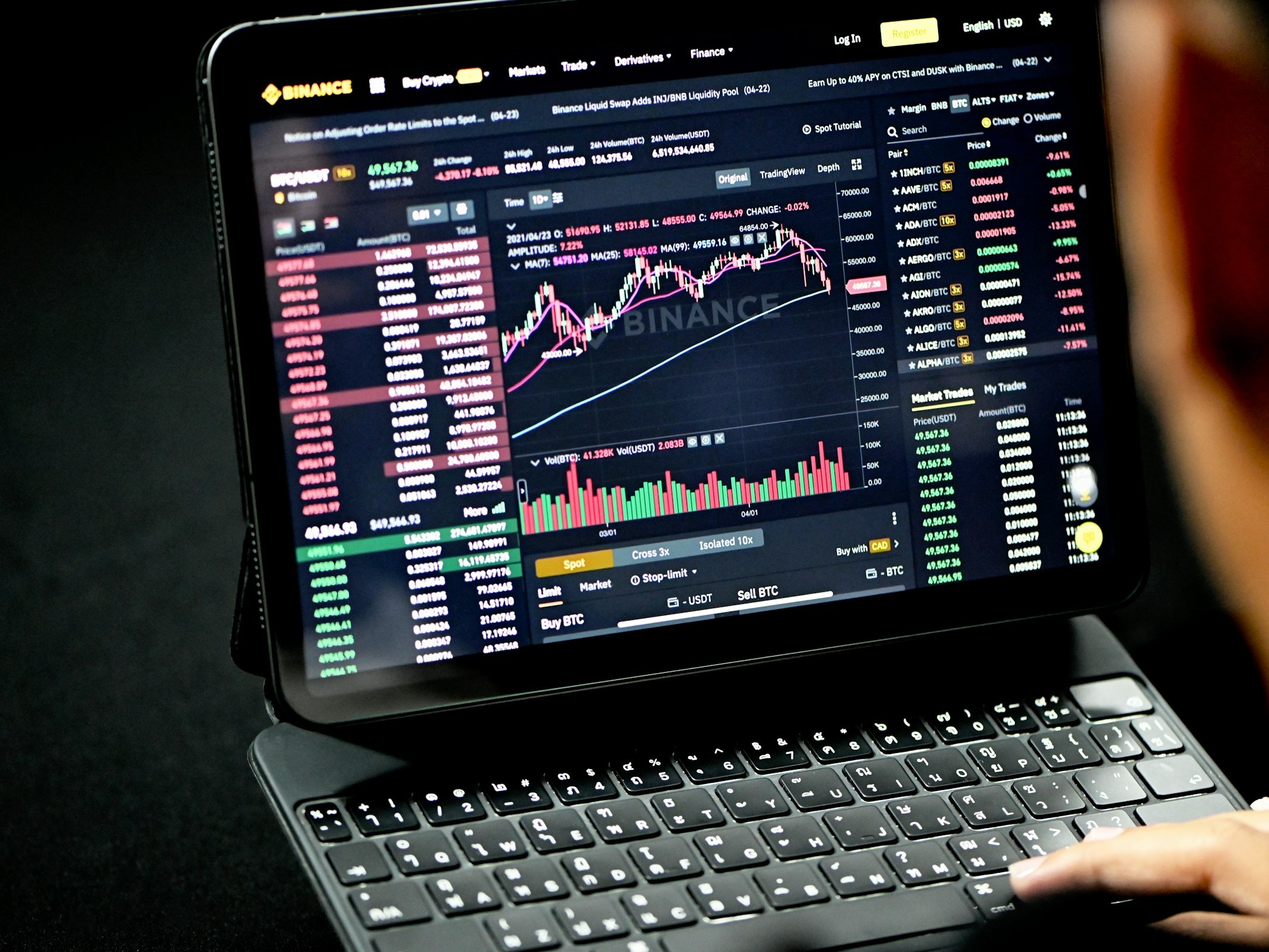
Leverage is useful in stock trading when applied with discipline, diversification, and proper risk controls. The question isn't whether leverage works, it's whether you understand how professional investors use it versus how most retail traders misuse it. The difference between those two approaches explains why some traders amplify returns while others blow up accounts.
Most traders assume leverage automatically equals reckless speculation. That assumption ignores decades of evidence showing institutional investors, hedge funds, and even Warren Buffett's Berkshire Hathaway have used borrowed capital to improve long-term performance. According to CNBC, leveraged funds experienced a 29% compound annual growth rate in daily volumes between 2020 and 2025, reflecting growing institutional and retail adoption of leveraged equity exposure. The real issue isn't the tool itself. It's how you apply it.
Why Buffett's Use of Leverage Matters
A 2018 study titled Buffett's Alpha examined how Berkshire Hathaway generated 19.0% annualized returns between 1976 and 2011 compared with 10.1% for the broader U.S. market. Researchers found Berkshire operated with roughly 1.6-to-1 leverage on average, sourced primarily through low-cost insurance float. This finding disrupts the narrative that conservative investors avoid borrowed capital entirely.
The study's authors concluded leverage contributed materially to Berkshire's outperformance, not as speculation, but as capital efficiency. This distinction matters because it reframes leverage from a binary good-or-bad judgment into a question of execution. If one of history's most celebrated investors relied on moderate leverage to enhance returns, the problem isn't borrowing itself. It's using leverage without the discipline, diversification, or risk management that made Buffett's approach work.
How Diversification Changes the Risk Equation
Research by John Y. Campbell and Luis Viceira showed that investors seeking higher expected returns often benefit more from holding diversified portfolios with moderate leverage than from concentrating capital into a few risky stocks.
Why? Diversification reduces unsystematic risk, while leverage increases market exposure. The combination can be more efficient than simply taking concentrated bets on individual equities. This principle became influential in institutional portfolio management, where pension funds and endowments routinely apply leverage to diversified asset allocations rather than avoiding borrowed capital entirely.
Diversification vs. Leverage Risk
The logic is straightforward. If you hold 100 stocks across sectors and use 1.5x leverage, you're spreading risk across a broad base while amplifying exposure to long-term equity returns. Compare that to an investor who uses no leverage but invests 100% of their capital in three speculative growth stocks.
-
Portfolio theory suggests the leveraged, diversified investor may actually face lower idiosyncratic risk despite borrowing.
-
Professional investors focus on portfolio risk, not just leverage ratios, because concentration often causes more damage than moderate borrowing.
Choosing Prop Firms for Leveraged Equity Trading
The challenge for most traders isn't accessing leverage. It's knowing which prop firms allow diversified equity strategies, which ones restrict position sizing, and which ones impose drawdown limits that align with leveraged portfolio construction.
TradingPilot’s best prop trading firms help traders filter firms by leverage policies, equity trading restrictions, and risk management rules so you can match with firms that support your specific approach rather than discovering mismatched terms after paying evaluation fees. Most traders waste money chasing firms with leverage limits that don't fit how they actually trade.
Related Reading
8 Benefits of Leverage Stock Trading
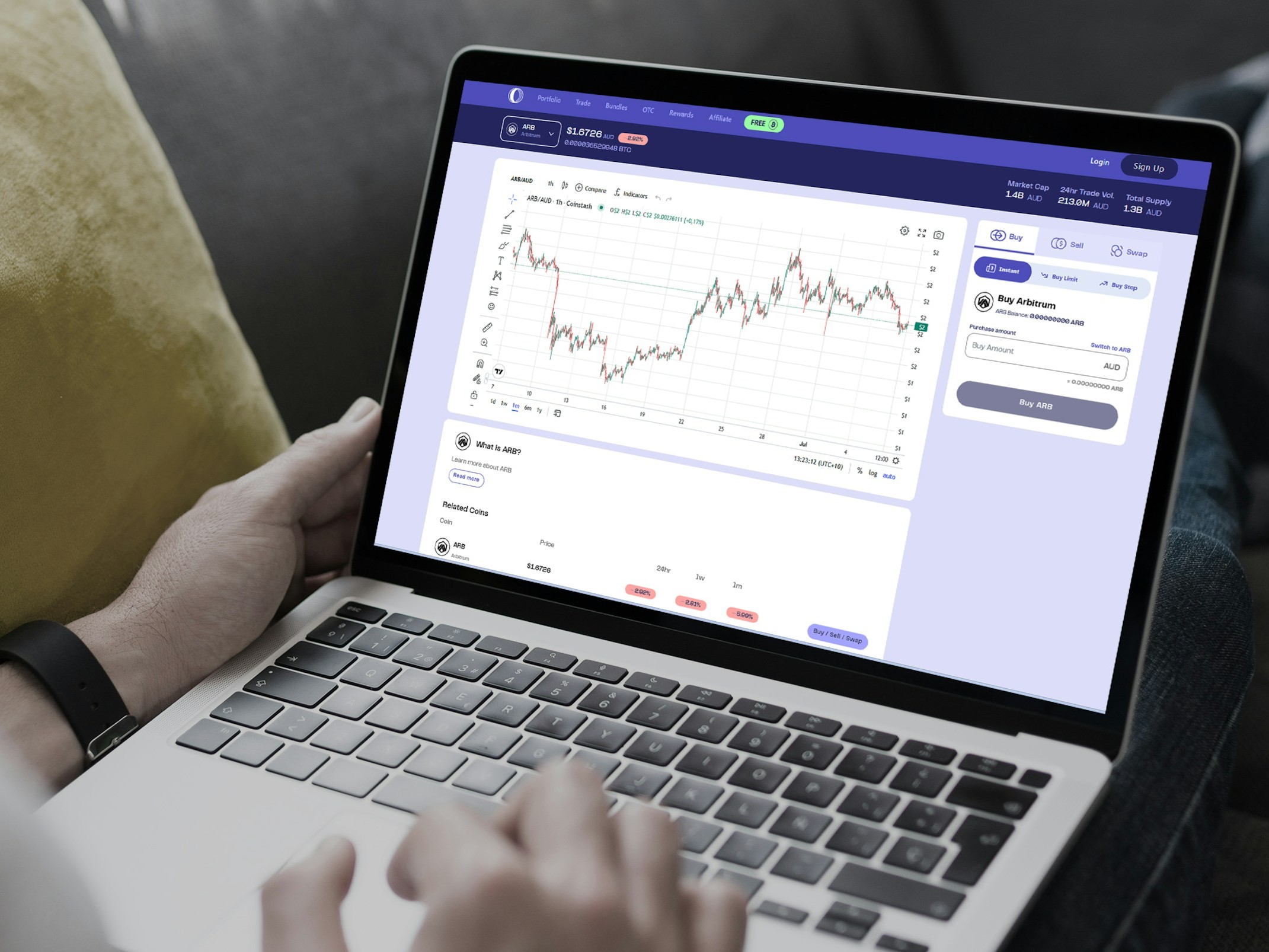
Leverage solves a specific problem that most traders face daily: having solid analysis and high-conviction opportunities, but insufficient capital to participate meaningfully. It serves as a capital-efficiency tool that lets you control larger positions with a smaller upfront investment, freeing up liquidity for diversification and keeping buying power available as new setups emerge. When combined with proper risk management, leverage helps traders scale proven strategies without constantly depositing additional funds.
1. Increase Your Market Exposure Without Constantly Adding More Capital
Limited account size creates a frustrating constraint. You identify a strong opportunity, execute the trade correctly, and watch it work exactly as planned, yet the return barely impacts your account balance because your position size was too small to capture meaningful value.
Leverage addresses this by allowing you to control larger positions with less upfront capital. Instead of waiting months or years to build a bigger account before participating in quality setups, you can act on opportunities today with the capital you already have. This doesn't eliminate the need for good analysis or disciplined execution, but it removes the artificial ceiling that account size places on your ability to benefit from correct decisions.
2. Put Your Capital to Work More Efficiently
When a single trade consumes most of your available funds, you create a secondary problem. New opportunities appear while your capital sits locked in existing positions, forcing you to watch potentially profitable setups pass by because you lack the buying power to act.
Leverage improves capital efficiency by reducing the cash required to open each position. This preservation of liquidity means you can maintain cash reserves, respond faster when market conditions shift, and remain flexible when unexpected opportunities emerge. Your capital becomes more versatile rather than trapped in static allocations.
3. Diversify Instead of Putting Everything Into One Stock
Smaller accounts often face concentration risk by necessity. With limited capital, traders often allocate too much to one or two positions because spreading exposure across multiple opportunities would make each position too small to matter.
Leverage helps solve this by allowing you to build a more balanced portfolio without needing institutional-sized capital. Instead of relying on a single stock to perform perfectly, you can spread exposure across several high-quality setups. This becomes particularly valuable during unpredictable markets, where diversification reduces the impact of any single position moving against you.
4. Make Strong Trading Ideas More Impactful
Professional traders view leverage as a capital-efficiency tool rather than simply a profit-amplification mechanism. The distinction matters because it shifts focus from chasing larger gains to making better use of available resources.
When you spend hours researching a stock, identify the trend correctly, and execute the trade as planned, leverage ensures that work translates into meaningful returns. It bridges the gap between having good ideas and generating account growth that reflects the quality of your analysis. This is why hedge funds, institutional portfolio managers, and professional investors have used leverage for decades as a standard component of portfolio construction.
5. Scale a Proven Strategy Faster
Many traders eventually discover a strategy that consistently works. The challenge becomes growth. Without leverage, account expansion remains slow because position sizes stay limited by available capital, even when confidence and consistency improve.
Leverage allows you to gradually increase exposure as your strategy proves itself over time. This helps you bridge the gap between having a profitable approach and generating meaningful account growth without constantly depositing additional funds. The key is to scale proportionally as your skill and risk-management capabilities develop, not to rush into maximum leverage before your strategy has demonstrated reliability.
6. Maintain Flexibility During Market Opportunities
Markets rarely move in predictable straight lines. Earnings surprises, sector rotations, market pullbacks, and breakout setups emerge unexpectedly, creating brief windows when favorable conditions arise.
Traders with all capital tied up in existing positions frequently miss these opportunities. Leverage helps keep part of your capital available so you can react when the market presents favorable conditions. For active traders, this flexibility often proves more valuable than the ability to take larger positions on any single trade. The ability to act quickly when opportunities arise matters more than simply holding larger positions in slower-moving setups.
7. Potentially Improve Returns During Strong Market Trends
Historical research from the [National Bureau of Economic Research](https://www.nber.org/) and asset-pricing studies shows that stocks have generated a long-run equity risk premium above cash and government bonds. Leverage allows traders and investors to increase exposure to these trends without committing additional capital.
This approach works best during sustained uptrends where the cost of borrowing remains lower than the returns generated by the underlying positions. The key is recognizing that leverage amplifies both gains and losses, so timing and market conditions matter significantly. Using leverage during strong trends can enhance returns, but during choppy or declining markets, it can accelerate losses just as quickly.
8. Turn Limited Capital Into Greater Opportunity Access
The hidden problem many traders face isn't a lack of ideas or analytical skill. It's insufficient buying power to execute on the opportunities they identify.
Without leverage, account size limits flexibility, diversification becomes harder, growth feels slow, and opportunities must often be passed over. Leverage helps remove some of these constraints, allowing traders to participate in setups that would otherwise remain out of reach. When used with proper risk management, it helps traders make better use of available capital, diversify more effectively, scale proven strategies, remain flexible in response to market opportunities, and participate more meaningfully in stock market movements.
Using Leverage Efficiently
The biggest advantage isn't simply earning larger profits. It's solving the problem of having good opportunities, solid analysis, and a workable strategy but not enough capital to take full advantage of them. Experienced traders understand leverage not as a shortcut to wealth, but as a tool that helps capital work more efficiently when opportunities arise.
Prop Firm Leverage Rules
Most traders exploring leverage eventually face a practical challenge:
-
Different prop firms impose vastly different leverage policies
-
Position-sizing rules
-
Equity trading restrictions
One firm might offer 30:1 leverage with strict daily loss limits, while another might offer 10:1 leverage with more flexible drawdown rules. These structural differences create dramatically different trading experiences, yet most traders discover these mismatches only after paying evaluation fees.
Filtering Firms by Trading Fit
Platforms like TradingPilot help traders filter firms based on leverage-specific criteria before committing to evaluations. Instead of trial-and-error decisions that waste money on mismatched rules, traders can compare how different firms structure leverage policies, identify which drawdown limits align with their strategy, and match with firms whose position-sizing rules support their specific approach. This filtering prevents costly mismatches where a trader's strategy works perfectly in theory but violates a firm's leverage restrictions in practice.
What is Good Leverage in Stock Trading
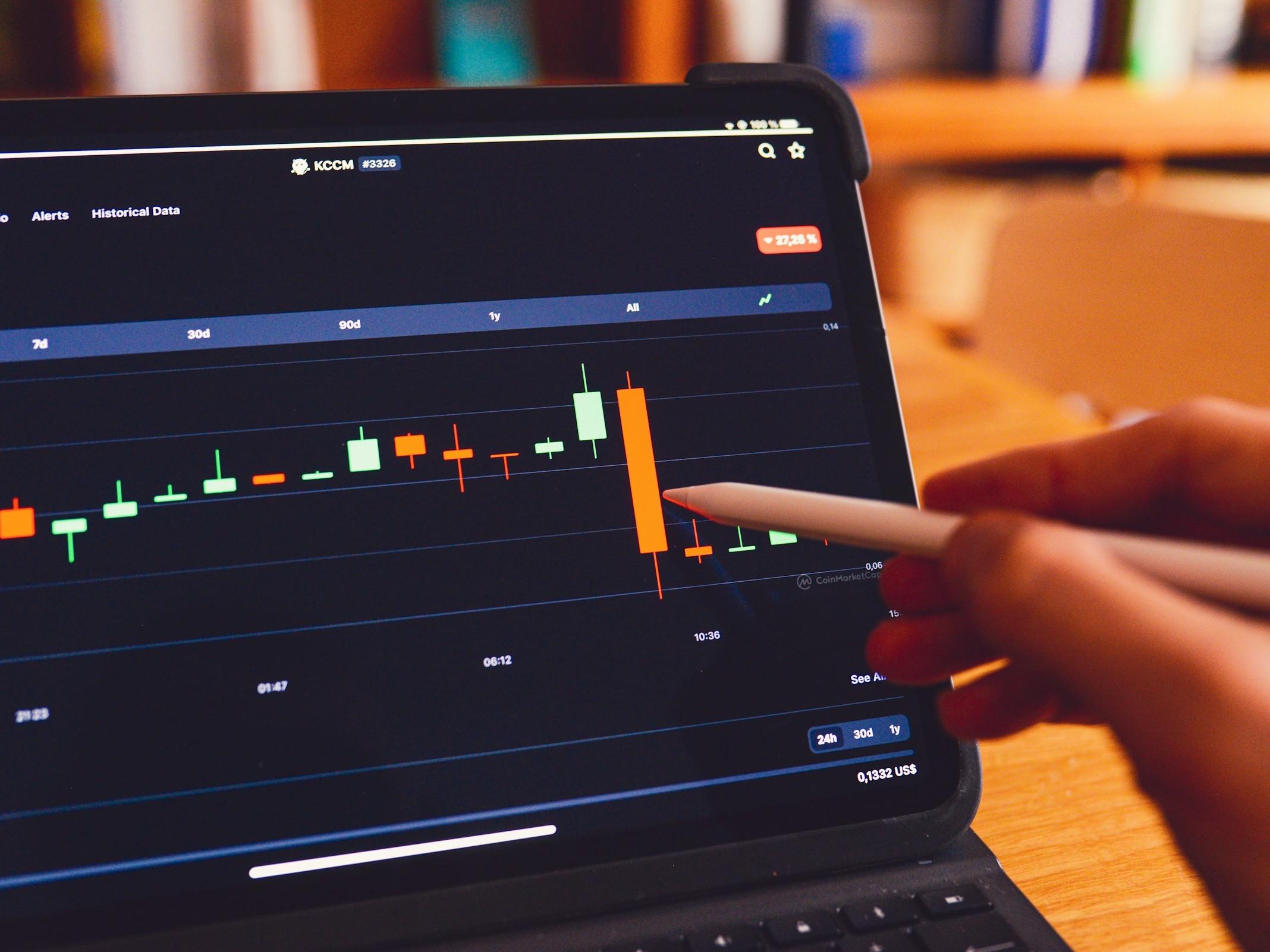
Good leverage is the lowest multiplier that allows you to achieve your trading objective without risking ruin to your account. It's not about maximizing buying power. It's about matching position size to volatility, holding period, and your ability to absorb consecutive losses without triggering a margin call or emotional collapse. The right leverage depends on whether you're holding stocks for minutes, days, or weeks, and whether you're trading blue-chip stability or high-beta momentum names.
For Most Beginners: 1.2x to 2x Leverage
If you're new to leveraged stock trading, stay close to traditional margin levels. A $10,000 account with 2x leverage gives you $20,000 in buying power. This range allows meaningful position growth without catastrophic losses. It allows room for mistakes while learning and reduces the risk of margin calls.
U.S. Regulation T generally limits standard stock margin accounts to approximately 2:1 leverage. Regulators could allow significantly more, but decades of market experience have shown that moderate leverage is more sustainable for retail investors. According to Just2Trade, 70 to 80% of retail leverage trading accounts lose money, and the primary cause is overleveraging relative to experience level.
For Active Swing Traders: 2x to 3x Leverage
Many experienced swing traders use leverage in the 2:1 to 3:1 range, depending on the stock and market environment. This level provides a balance between capital efficiency, portfolio flexibility, and manageable drawdowns. A trader with $20,000 in capital and 2.5x leverage can control $50,000 in stock exposure without depositing additional funds. The key is maintaining strict position sizing so that no single trade can significantly damage the account. This is where prop firm rules matter more than most traders realize.
Matching Leverage Rules to Trading Behavior
Some firms allow 3x leverage on equities but impose daily loss limits that effectively cap how much of that leverage you can use on volatile stocks. Others permit higher leverage but restrict overnight holds or require tighter stop losses. Platforms like TradingPilot let you filter firms by leverage limits, drawdown rules, and position-sizing restrictions so you can match a firm's leverage policy to your actual trading behavior before paying for an evaluation.
For Day Traders: Up to 4x Leverage (With Strict Controls)
In some jurisdictions, pattern day traders may access 4:1 intraday leverage. This is designed specifically for short-term trading where positions are closed before market close. However, this doesn't mean 4x leverage is automatically appropriate. A stock moving 5% against you would result in approximately a 20% exposure impact at 4x leverage. Professional traders using higher leverage typically rely on predefined stop-loss levels, position-sizing rules, and daily risk limits rather than simply maximizing buying power.
Adjust Leverage Based on Stock Volatility
A good leverage ratio changes depending on what you're trading. Lower volatility stocks like Johnson & Johnson or Coca-Cola often tolerate slightly higher leverage because daily price swings tend to be smaller. Higher volatility stocks like Tesla or Palantir Technologies usually require lower leverage because normal daily moves can be significantly larger.
Many beginners make the mistake of using the same leverage across both categories. Professional traders rarely do. They scale leverage inversely to volatility, increasing exposure on stable names and reducing it on high-beta stocks.
Choosing the Right Leverage in Stock Trading in 7 Steps

The process starts by working backward from loss tolerance rather than forward from buying power. Most traders choose leverage by asking what their broker allows or what other traders use, which creates misalignment from the start. The right approach builds leverage from your trading style, the stocks you trade, and how much drawdown you can survive without abandoning your strategy.
1. Match Leverage to Your Trading Timeframe
Long-term investors holding positions for months face different risks than day traders closing everything before the bell. Overnight exposure means earnings surprises, interest rate decisions, and geopolitical shocks can gap your position against you while you sleep. According to Wealth Within, beginners often perform better starting with 2:1 or 5:1 leverage ratios, depending on their experience level and risk management systems.
Conservative leverage between 1.2x and 1.5x gives long-term holders additional market exposure without magnifying every macro event into an account-threatening move.
-
Swing traders monitoring positions daily can sometimes push toward 1.5x to 3x because they're actively managing risk.
-
Day traders using 4x intraday leverage survive only when they pair that multiplier with strict stop-loss orders and predefined daily loss limits.
The mistake happens when traders copy leverage ratios from people operating on completely different timeframes. A day trader's 4x leverage makes no sense for someone holding through quarterly earnings, just as a long-term investor's 1.3x multiplier would frustrate an active scalper trying to capitalize on intraday momentum.
2. Scale Leverage Inversely to Stock Volatility
Not every stock deserves the same treatment. A blue-chip company moving 1% per week creates entirely different account swings than a growth stock routinely shifting 5% to 10% in a session. Many traders apply uniform leverage across their portfolio, which means they're either under-leveraged on stable names or dangerously over-exposed on volatile ones.
The principle professionals follow sounds counterintuitive at first: the more volatile the stock, the lower your leverage should be.
-
A stock like Coca-Cola with predictable price action can handle moderate leverage because daily moves rarely threaten your position.
-
Tesla or Palantir requires reduced leverage precisely because their larger price swings already provide substantial profit potential without multiplying your exposure.
This inverse relationship protects you from the hidden risk in volatile stocks. When a position routinely moves 7% in a day, even 2x leverage creates 14% account swings. That volatility compounds losses faster than most traders anticipate, which is why experienced traders often reduce leverage on high-beta names rather than increase it.
3. Calculate Leverage from Maximum Acceptable Drawdown
The question that determines survival isn't "How much can I make?" It's "How much can I lose before my strategy stops working?" If your maximum acceptable drawdown is 10%, then your leverage must be calibrated so that multiple consecutive losses can't breach that threshold. A trader risking 2% per position can absorb far more losing streaks than someone risking 10% per trade, even when both use identical stock selection methods.
This is where most traders discover their leverage was too high. They calculate position size based on potential profit, then experience three or four losses in a row that collectively exceed their psychological and financial tolerance. The account survives, but the trader abandons the strategy right before it would have recovered.
Risk managers at professional firms determine leverage by stress-testing downside scenarios first, then working backward to position size. Retail traders typically do the opposite, choosing leverage based on upside potential and discovering risk limits only after losses materialize.
4. Adjust Leverage Based on Market Conditions
Leverage that works perfectly during stable bull markets can become hazardous when volatility spikes. Earnings season, Federal Reserve announcements, geopolitical uncertainty, and recession fears all create periods in which the same leverage ratio yields dramatically different risk outcomes. Professional traders often reduce leverage during these windows not because they lack conviction, but because survival matters more than maximum exposure.
The goal during volatile periods isn't to capture every opportunity. It's to remain solvent long enough for normal conditions to return. Traders who maintain consistent leverage across all market environments often perform well during calm periods, only to experience catastrophic losses when the inevitable volatility spike arrives.
This doesn't mean abandoning leverage entirely during uncertain times. It means recognizing that a 2.5x multiplier during low volatility might need to become 1.5x when the VIX jumps 40% in a week. The same position size creates different risk profiles depending on market conditions.
5. Evaluate Your Broker's Margin Structure Before Committing
Two brokers advertising identical leverage ratios can produce completely different experiences. Maintenance margin requirements, margin call thresholds, liquidation policies, overnight financing costs, and how margin requirements change during volatile periods all determine how leverage actually behaves when markets move against you. Many traders discover these differences only after their broker liquidates a position that would have recovered if given another day.
The advertised leverage ratio is just one variable in a complex equation. A broker offering 4:1 leverage with aggressive liquidation policies and high maintenance margins might be riskier than a broker offering 3:1 with more forgiving margin calls and lower overnight costs. The structure matters as much as the number.
Matching Margin Policies to Trading Strategy
This is where traders frequently waste money chasing evaluations without understanding how different firms' margin policies align with their actual trading behavior. Most traders compare brokers based on the maximum leverage offered, only to realize too late that liquidation thresholds and financing costs matter more than the headline ratio.
TradingPilot’s best prop trading firms help traders filter firms by margin requirements, liquidation policies, and leverage structures that match their strategy, rather than discovering incompatibilities after funding an account.
6. Stress-Test Your Leverage Before Using It Live
Before implementing any leverage ratio, run scenarios that reveal how it performs under pressure.
-
What happens if your stock drops 10% overnight?
-
Can your account survive five consecutive losing trades?
-
What if volatility doubles from current levels?
-
Would you still be comfortable holding the position through a weekend or major news event?
If any scenario creates unacceptable account damage or forces you to exit positions prematurely, the leverage is probably too high. The stress test isn't meant to find the maximum leverage you can theoretically survive. It's designed to find the highest leverage you can use while maintaining emotional and strategic discipline through inevitable drawdowns.
Most traders skip this step entirely, choosing leverage based on what feels aggressive enough to generate meaningful returns. They discover their actual tolerance only after experiencing a drawdown that forces them to reduce position size or abandon the strategy entirely.
7. Build a Framework That Prioritizes Survival Over Maximum Exposure
Rather than asking what's the highest leverage your broker allows, ask what type of trader you are, how volatile your stocks tend to be, how much drawdown you can realistically tolerate, and whether your account can survive multiple consecutive losses. When leverage emerges from this framework, it becomes a capital efficiency tool rather than a source of unnecessary risk.
The right leverage isn't determined by your broker's maximum limit. It's determined by your strategy, your risk tolerance, and your ability to stay in the market long enough for your edge to materialize. Traders who choose leverage to maximize buying power often discover that survival matters more than exposure, usually after experiencing losses that could have been avoided with more conservative position sizing.
This framework distinguishes between traders who use leverage strategically and those who use it recklessly. The difference isn't intelligence or market knowledge. It's whether leverage was chosen to optimize capital efficiency or simply to amplify every trade regardless of context.
How to Use Leverage in Stock Trading for Beginners in 7 Steps

The implementation process matters more than the leverage number itself. You can know the perfect ratio but still lose money if you skip the testing, ignore broker differences, or fail to stress-test your positions before going live. What follows is the actual sequence most traders skip.
1. Start With the Only Rule That Actually Matters: Risk per Trade
Before you touch leverage, decide how much you're willing to lose on a single trade. Most disciplined frameworks land between 1% and 2% risk per trade. This isn't about being conservative. It's about staying in the game long enough for your edge to compound.
If you have a $10,000 account and set 2% risk, that's $200 maximum loss per trade. Leverage only becomes dangerous when it pushes you beyond this threshold. A broker offering 5x leverage doesn't matter if using it breaks your $200 rule. The leverage ratio is irrelevant if the position size violates your risk limit.
2. Use Leverage to Solve Capital Efficiency, Not to Overtrade
Beginners struggle with a specific problem: good stock picks but small profits because the account is too small.
-
Growth feels painfully slow.
-
Capital gets locked in one position while other opportunities pass by.
-
Leverage solves this, but only if applied correctly.
Correct use means increasing position efficiency without increasing risk per trade. Instead of buying $1,000 of a stock outright, you use leverage to control $2,000 or $3,000 of exposure while still risking only $100 to $200 maximum loss. This is how leverage improves returns without changing your risk profile. The moment you start using it to take bigger risks instead of smarter positions, you've crossed into speculation.
3. Choose a Beginner-Friendly Leverage Range Based on Real Market Behavior
For stock trading, most beginner-friendly setups fall into predictable ranges:
-
1.2x to 2x leverage for conservative investors
-
2x to 3x for active swing traders
-
Up to 4x intraday for advanced day traders with strict stops
These aren't arbitrary numbers. They reflect how much cushion you have when normal stock volatility hits.
-
A 10% stock drop at 3x leverage results in roughly a 30% impact on the account.
-
At 5x leverage, that same drop becomes a 50% impact on the account.
This is where most beginners lose control, not because they picked bad stocks, but because their exposure was too high relative to the stock's natural movement. Even correct directional calls can wipe you out if leverage magnifies normal volatility into catastrophic drawdowns.
4. Match Leverage to Stock Volatility (This Is Where Most Beginners Fail)
Not all stocks behave the same way, yet beginners often apply the same leverage across their entire portfolio.
-
Lower-volatility stocks like Johnson & Johnson or Procter & Gamble move more slowly and can tolerate slightly higher, controlled leverage.
-
Higher-volatility stocks like Tesla or NVIDIA move quickly and require lower leverage to avoid sudden drawdowns.
The rule is simple: higher volatility demands lower leverage. If you ignore this relationship, you'll eventually hit a day when a volatile stock moves 8% against you and your leverage turns that into a 24% or 32% account hit. The stock didn't do anything unusual. Your leverage just wasn't calibrated to its behavior.
5. Never Use Leverage Without Stress Testing It First
Before trading live, simulate worst-case scenarios.
-
What happens if the stock drops 5%?
-
What if you lose three to five trades in a row?
-
What if volatility doubles during earnings week?
If any scenario breaks your account structure, your leverage is too high. This step separates controlled trading from emotional trading. Most traders skip it because it feels tedious or pessimistic. But the traders who survive years in the market are the ones who tested their setups against disaster before disaster arrived. Stress testing isn't about expecting failure. It's about knowing exactly where your system breaks so you never get close to that line.
6. Understand That Broker Rules Change How Leverage Behaves
The same leverage doesn't equal the same risk. Two brokers can both offer 3x leverage but differ dramatically in margin call timing, liquidation speed, intraday margin changes, and spread widening during volatility. This is why beginners often misjudge risk. They see the leverage number and assume it behaves identically everywhere.
You're not just choosing leverage. You're choosing how that leverage behaves under pressure. One broker might give you time to add funds during a margin call. Another might liquidate your position within minutes. These operational differences matter as much as the leverage ratio itself.
Comparing Leverage Rules Before Funding
Most traders waste money chasing evaluations or brokers without understanding how their specific rules interact with leverage. Different prop firms have wildly different leverage policies, position-sizing rules, and equity trading restrictions, creating dramatically different experiences.
TradingPilot’s best prop trading firms let you filter firms based on these leverage-specific criteria, comparing margin call policies and drawdown limits side by side so you're not making costly trial-and-error decisions with real capital.
7. The Simple Beginner Framework (What Actually Works)
If you want a practical system that works, here it is.
-
Risk 1% to 2% per trade.
-
Use 1.2x to 3x leverage for most stocks.
-
Lower leverage for volatile stocks.
-
Never increase leverage after losses.
-
Stress-test before trading live.
-
Check broker behavior, not just leverage numbers.
This framework isn't exciting. It won't make you rich overnight. But it keeps you solvent long enough to learn what actually works in your specific trading style. The traders who succeed in the long term aren't the ones who found the perfect leverage ratio. They're the ones who built a system that survives their inevitable mistakes.
Related Reading
-
Day Trading Leverage
-
Futures Options Trading
-
Best Time Frame For Crypto Trading
5 Highly-Rated Brokers Based on Leverage

The broker you choose determines not just your leverage access but how that leverage behaves under stress. Margin call policies, execution speed during periods of volatility, and risk calculation methods can create dramatically different experiences even when the nominal leverage ratio looks identical. What matters isn't the advertised multiplier but how the platform manages your exposure when markets move against you.
1. Interactive Brokers (Professional-Level Margin Control)
Interactive Brokers operates under multiple top-tier regulatory jurisdictions across the US, UK, EU, and Asia, offering standard stock margin up to 2:1, with higher ratios available for portfolio margin accounts. The platform distinguishes itself through institutional-grade risk systems that calculate margin requirements in real-time based on portfolio exposure rather than applying flat leverage assumptions. According to ForexBrokers.com's 2026 analysis of high-leverage brokers, this sophisticated margin modeling approach creates more accurate risk assessment than traditional methods.
Portfolio Margin Risk Evaluation
Portfolio margin accounts evaluate risk across your entire position structure, recognizing when diversification or hedging reduces actual exposure. A concentrated position in a volatile small-cap stock faces stricter margin requirements than a diversified portfolio of blue-chip names, even at identical nominal leverage. This dynamic approach prevents the common scenario in which traders using 2:1 leverage across different stock types receive identical margin calls despite vastly different risk profiles.
Leverage And Position Construction
The platform suits serious traders who understand that leverage interacts with position construction, not just account size. Long-term investors using modest leverage for tax-loss harvesting or swing traders building multi-leg positions benefit from margin calculations that reflect actual portfolio risk rather than punishing every position equally.
2. TD Ameritrade (Now Charles Schwab Platform) (Stable Retail Margin System)
Charles Schwab maintains a standard margin up to 2:1 leverage under Regulation T rules, prioritizing stability over aggressive exposure. The platform's educational tools help traders understand margin requirements before opening positions, reducing the likelihood of unexpected margin calls from misunderstood risk calculations. This conservative approach creates predictability, particularly valuable for traders transitioning from cash accounts to leveraged trading.
Stable Margin Policies During Volatility
Margin policies remain consistent during volatility rather than tightening requirements mid-trade. When markets gap down overnight, knowing your broker won't suddenly increase margin requirements by 50% prevents forced liquidations that compound losses. The platform's design deliberately reduces overleveraging among retail traders through clear risk warnings and position-monitoring tools.
Conservative Leverage For Risk Control
Beginners moving into margin trading and long-term investors using moderate leverage find this stability matches their risk tolerance better than platforms optimizing for maximum buying power. The trade-off between conservative limits and operational predictability favors traders who view leverage as a capital-efficiency tool rather than a speculation amplifier.
3. Fidelity (Risk-Focused Capital Preservation)
Fidelity implements a margin of around 2:1 leverage for equities with a strong emphasis on investor protection and account safety tools. The platform prioritizes capital preservation over aggressive leverage, making it less likely to encourage overexposure during market volatility. Conservative margin call and liquidation policies mean positions face closure earlier than at aggressive brokers, but this prevents the catastrophic losses that occur when brokers allow positions to deteriorate before acting.
Real-Time Margin Safety Alerts
Account safety tools include real-time margin monitoring and proactive alerts before positions approach liquidation thresholds. This early warning system gives traders time to add capital or reduce exposure rather than discovering margin calls after positions have already been closed. The platform's risk-first philosophy accepts that some traders will find limits restrictive in exchange for protecting accounts during unexpected volatility.
Operational Stability For Leveraged Positions
Long-term investors, low-leverage traders, and risk-conscious portfolios benefit most from this approach. If your strategy involves holding leveraged positions through earnings announcements or macroeconomic events, knowing your broker won't panic-liquidate at the first sign of volatility provides operational stability worth more than maximum buying power.
4. E*TRADE (Active Trading Balance)
E*TRADE offers standard 2:1 leverage under margin rules, with strong active-trading platform capabilities spanning options and equities. The platform balances usability with professional tools, making it suitable for traders transitioning from cash to margin accounts who need more sophistication than beginner platforms but less complexity than institutional-grade systems. Good execution for short-term trading strategies matters more here than maximum leverage ratios.
Real-Time Margin Impact Tracking
The active trading interface supports rapid position adjustments and real-time margin monitoring without overwhelming new margin users. Swing traders managing multiple positions simultaneously need platforms that display the margin impact before order execution, preventing situations in which adding a fourth position unexpectedly triggers margin calls on existing holdings.
Balanced Leverage For Active Traders
Moderate-leverage users and active retail traders find this middle ground well-suited to strategies that require frequent position adjustments. The platform doesn't optimize for either maximum safety or maximum buying power; instead, it targets traders who understand leverage mechanics but don't need institutional-level complexity.
5. Webull (Accessible Retail Leverage)
Webull offers margin trading with up to 2:1 leverage on stocks, extended-hours trading access, and a mobile-first interface popular among newer retail traders. The platform's simple access to margin trading and fast execution lower barriers to entry, but this accessibility requires careful risk management, as retail traders often overuse margin due to ease of access.
Research from daytrading.com indicates some platforms offer up to 1:500 leverage, highlighting how Webull's 2:1 limit actually provides guardrails against excessive exposure.
Mobile Margin Trading Risks
The mobile-focused design enables quick position management but can encourage impulsive trading decisions when leverage amplifies every choice. Extended-hours access, combined with margin, creates scenarios in which overnight gaps trigger margin calls before traders can respond, which is particularly problematic for positions held through earnings or economic announcements.
Position Sizing Discipline
Beginner to intermediate traders and mobile-focused traders benefit from the platform's accessibility when they adhere to strict position-sizing rules. Short-term stock traders using the platform need discipline to avoid the common pattern in which easy access to margin leads to position sizes exceeding their actual risk tolerance.
Comparing Leverage Rules Across Firms
Platforms like TradingPilot help traders compare how different prop firms handle leverage policies, position-sizing rules, and equity trading restrictions, filtering firms based on these leverage-specific criteria rather than making costly trial-and-error decisions across multiple broker accounts.
Related Reading
-
Small Account Trading
-
Trading E Mini Futures
-
Best Crypto Leverage Trading Platforms
-
Day Trading Average Income
-
Small Account Options Trading
-
Crypto Trading With Leverage
-
Trading Goals
-
Best Futures To Day Trade
-
Futures Brokers With Low Intraday Margin
Turning Leverage From "Overexposure Risk" Into a Controlled Stock Trading Tool
The difference between leverage as a tool and leverage as a threat comes down to one thing: whether you validated your setup before risking real capital. Most traders skip this step entirely. They choose a leverage ratio, open a position, and discover the problem only when volatility spikes or margin calls arrive. The traders who survive long enough to profit treat leverage like any other piece of equipment that needs testing under load before deployment.
Run Your Setup Through Real Conditions First
Before you commit capital to any leveraged position, stress test your exact configuration against the scenarios that break accounts.
-
Take your planned position size, your chosen leverage multiplier, and the specific stock you intend to trade.
-
Then simulate what happens during a 10% adverse move, three consecutive losses, or an earnings gap that triggers intraday volatility.
You're not predicting the future. You're checking whether your leverage survives conditions that happen regularly in equity markets. If your setup can't withstand these routine stresses in simulation, it won't survive them with real money.
Match Leverage to Your Actual Trading Context
The leverage ratio that works for a swing trader holding Johnson & Johnson for two weeks will destroy a day trader flipping Tesla during earnings season. Position holding period, stock volatility, and your broker's margin tightening policies all interact with your leverage multiplier in ways that change risk faster than most traders realize.
A 2x ratio might be conservative for low-volatility blue chips held overnight, but reckless for high-beta growth stocks during market corrections. The question isn't what leverage is safe in general. It's what leverage survives the specific combination of timeframe, volatility, and broker rules you're actually trading under.
Filtering Prop Firms By Leverage Fit
Platforms like TradingPilot help traders compare how different prop firms handle leverage policies, position-sizing rules, and equity trading restrictions. Instead of discovering mismatches through costly trial accounts, you filter firms based on leverage-specific criteria that align with your actual trading style before committing capital.
Build Margin Buffers Into Your Risk Calculations
Most traders calculate position size based on their total buying power, then wonder why margin calls arrive during normal volatility. The problem is treating maximum leverage as usable leverage. If your broker offers 4x leverage and you use it all, you're one bad day away from forced liquidation.
Keeping Margin Buffer Room
Professional traders leave buffer room between their actual exposure and their margin limits, typically using 50-70% of available leverage even when confident in a setup. This cushion absorbs volatility spikes and temporary drawdowns that occur in every stock, giving you time to manage positions rather than watching your broker close them automatically at the worst possible moments.
Validating Leverage Before Trading
Leverage stops being an overexposure risk the moment you stop guessing and start validating.
-
Test your setup against real market conditions.
-
Match your multiplier to your actual trading context.
-
Build margin buffers that survive normal volatility.
The traders who make leverage work long-term aren't the ones taking maximum exposure. They're the ones who figured out how much leverage their strategy can handle before their first trade, not after their first blowup.