
Leverage in forex trading

If you've ever wondered how much stock traders make, the answer often hinges on one powerful tool: leverage. In forex trading, leverage acts as a multiplier that can amplify both profits and losses, allowing traders to control positions far larger than their initial capital. Understanding how leverage works, including margin requirements, lot sizes, and risk management strategies, is the difference between sustainable trading success and blown accounts.
That's where TradingPilot's best prop trading firms directory becomes your strategic advantage. Instead of navigating countless proprietary trading firms on your own, you can find the best prop firms and compare them side by side, examining their leverage offerings, drawdown limits, profit splits, and trading conditions. This resource helps you identify which firms provide the leverage ratios and risk parameters that align with your trading style, whether you're managing currency pairs, executing scalping strategies, or building longer-term positions in the foreign exchange market.
Summary
-
Leverage transforms forex accessibility by allowing traders to control meaningful positions without institutional capital reserves. According to the Bank for International Settlements' 2022 Triennial Survey, average daily turnover in global foreign exchange markets reached $7.5 trillion, with a substantial portion of the activity driven by leveraged exposure among banks, hedge funds, and asset managers.
-
Regulatory bodies converge on a clear starting zone for retail beginners: 1:10-1:30 leverage. The European Securities and Markets Authority capped retail forex leverage at 1:30 for major currency pairs after reviewing loss data from CFD accounts, in which 74% to 89% of retail traders lost money.
-
Capital efficiency matters more than absolute account size for sustainable trading success. Research from the National Bureau of Economic Research found that leverage allows investors to gain desired market exposure while preserving capital for diversification and liquidity management. Major currency pairs often move relatively small amounts daily, with EUR/USD averaging around 0.5% to 1.0% depending on market conditions.
-
Hidden leverage appears when traders open multiple correlated positions without recognizing combined exposure. Long EUR/USD, long GBP/USD, and long EUR/GBP appear to be three separate trades with distinct risk profiles, but all three positions share an underlying exposure to USD weakness. A trader risking 1% per trade across three correlated pairs is actually risking 3% on one directional bet.
-
Execution mistakes kill more accounts than bad strategy or incorrect leverage calculations. Traders often discover gaps between theory and reality after their first margin call, having calculated position sizes correctly on paper but failing to account for how quickly normal intraday swings approach stop-loss levels when exposure is too high. A 1:30 effective leverage keeps a 1% EUR/USD move contained to a 30% account impact, which is severe but recoverable, while 1:10 drops that same move to 10%.
Best prop trading firms help traders compare leverage offerings, drawdown limits, and evaluation structures across dozens of firms, identifying which firms provide leverage ratios that align with specific trading styles before money is spent on incompatible setups.
Is Leverage Useful for Forex Trading?

Yes. Leverage remains one of the most useful tools in forex trading when applied within a structured risk framework. The challenge isn't whether leverage works; it's whether the leverage ratio you choose aligns with the drawdown limits, position sizing rules, and evaluation structure of the prop firm you're trading with. Most traders waste money on evaluations because they pick leverage levels that clash with firm-specific constraints, not because leverage itself fails them.
The question isn't abstract. It plays out in real money every time you fund an evaluation or open a live account.
The World's Largest Market Runs on Leverage
According to the 2022 Triennial Survey from the Bank for International Settlements, average daily turnover in global foreign exchange markets reached $7.5 trillion. Spot forex accounted for approximately $2.1 trillion daily, while FX swaps accounted for approximately $3.8 trillion. A substantial portion of this activity relies on leveraged exposure across banks, multinational corporations, hedge funds, pension funds, and asset managers.
If leverage were fundamentally incompatible with responsible risk management, the largest and most sophisticated participants in the financial system wouldn't use it extensively in currency operations every single day.
Leverage With Risk Discipline
Professional markets don't avoid leverage. They pair it with position limits, volatility targeting, Value-at-Risk models, stress testing, and drawdown controls. The difference between institutional success and retail failure isn't the presence of leverage; it's the presence of discipline around how much leverage gets deployed relative to account size and market conditions.
Capital Efficiency Matters More Than You Think
Research from the National Bureau of Economic Research found that leverage allows investors to gain desired market exposure while preserving capital for diversification and liquidity management. This matters because unleveraged trading creates its own risks.
Consider two traders: one deposits $50,000 and uses it entirely in a single position. Another uses moderate leverage, commits only part of available capital, and retains cash reserves for risk management and new opportunities. In many situations, the second trader has greater flexibility and resilience despite using leverage.
Scaling Low-Volatility FX Markets
Major currency pairs often move relatively small amounts on a daily basis. The historical average daily movement in EUR/USD is typically 0.5% to 1.0%, depending on market conditions. Without leverage, a trader with $1,000 might see a 0.5% move generate approximately $5 before costs.
Leverage allows traders to participate meaningfully in markets originally designed for institutional participants with much larger capital bases. This is one reason regulated leverage remains available worldwide and why AXIORY offers a 100% bonus on deposits, up to 1,000 USD, to help traders scale their starting capital efficiently.
Matching Leverage to Prop Firm Rules Changes Everything
The real risk isn't leverage itself. It's using the wrong leverage level for the firm's drawdown structure, evaluation type, and trading restrictions. Some firms allow 1:30 leverage but impose strict daily drawdown limits, making high-frequency strategies nearly impossible. Others offer 1:100 leverage with generous trailing drawdowns that reward patient position traders.
If your leverage approach doesn't match the firm's risk parameters, you're paying for evaluations you're structurally unlikely to pass. Best prop trading firms let you compare leverage offerings alongside drawdown limits, profit splits, and trading conditions across dozens of firms, so you can identify which firms provide the leverage ratios and risk parameters that align with your actual trading style before you spend money on the wrong evaluation.
8 Benefits of Leverage in Forex Trading
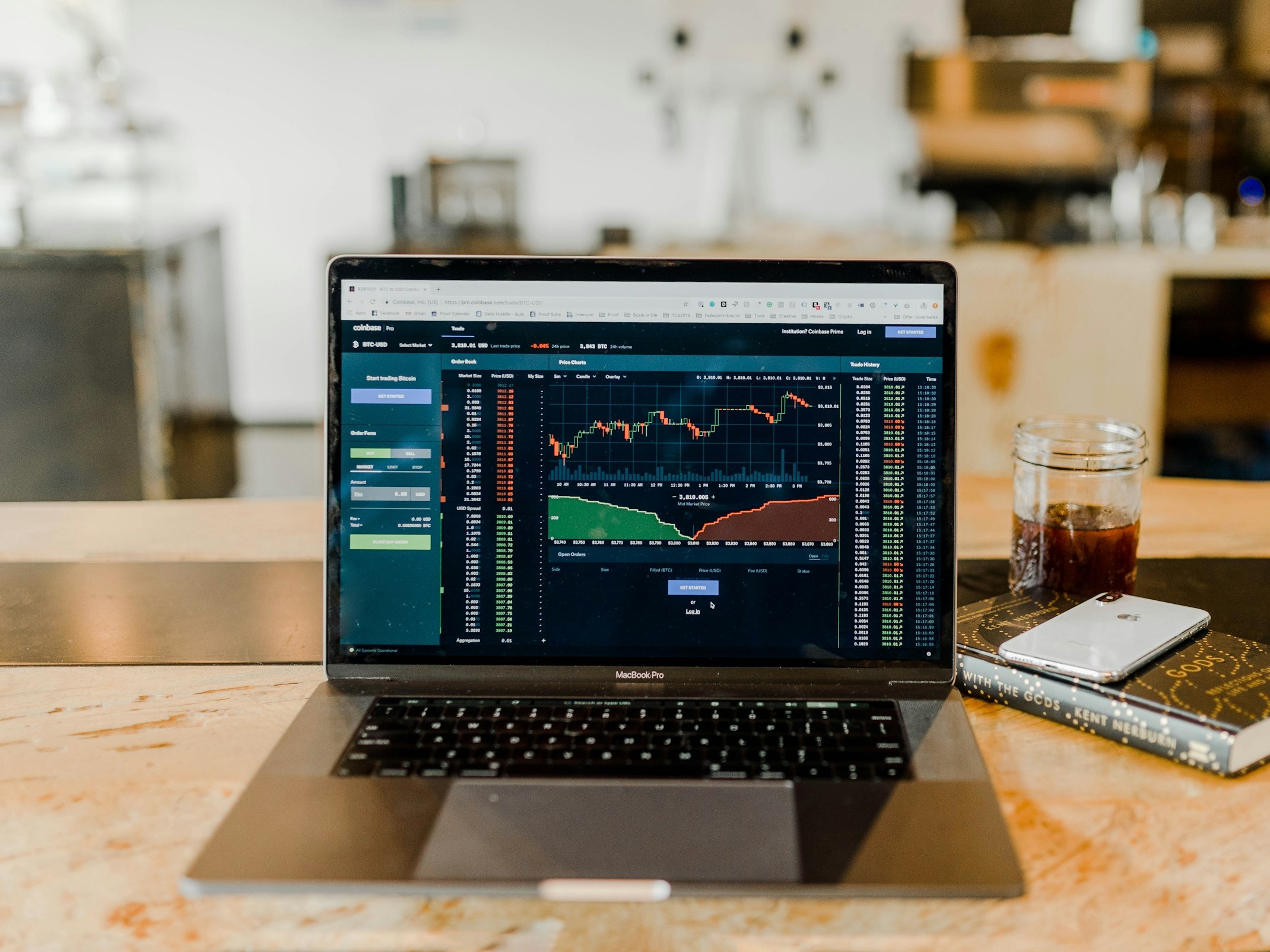
Leverage transforms how traders access forex markets by allowing meaningful participation without requiring institutional capital reserves. Rather than viewing leverage purely as risk amplification, successful traders recognize it as a capital efficiency tool that, when paired with proper position sizing and drawdown management, enables strategic exposure across multiple currency pairs while maintaining reserve capacity for unexpected volatility.
1. Gain Market Exposure Without Institutional Capital
Currency pairs typically move in fractional percentages during standard trading sessions. A 0.5% daily movement in EUR/USD represents a real opportunity, but without leverage, capturing meaningful returns from that movement requires substantial account balances.
Leverage solves the capital access problem by allowing traders to control positions larger than their account equity. Instead of needing $50,000 to open a standard lot position, traders can participate with a fraction of that amount. This democratization of market access matters because quality trading setups don't wait for you to accumulate capital.
The challenge isn't just having enough money to trade. It's having enough exposure to make your analysis and timing worth the effort. When your position size is too small relative to typical market movements, even correct predictions generate negligible returns after accounting for spreads and time invested.
2. Free Capital for Multiple Opportunities
One pattern recurs among struggling traders: all available capital is locked into a single position. This creates opportunity cost. When a second high-probability setup appears, you're forced to choose rather than participate strategically.
Leverage reduces the margin required per position, allowing your capital to cover multiple trades simultaneously. You can monitor EUR/USD while holding positions in GBP/JPY and AUD/CAD without maxing out your account. This flexibility matters during volatile sessions when correlations break down and independent opportunities emerge across pairs.
The real benefit isn't just diversification. It's maintaining strategic optionality when market conditions shift faster than you can adjust a single concentrated position.
3. Improve How Efficiently Your Capital Works
Professional traders measure success differently from beginners. They think in terms of capital efficiency: how much return they generate per dollar of margin committed, not just absolute profit.
According to tastytrade's forex leverage guide, a 50:1 leverage ratio allows traders to control $50,000 in currency with just $1,000 in margin, fundamentally changing the relationship between account size and market participation. This efficiency creates breathing room for risk-management adjustments and to address unexpected market gaps.
Keeping portions of your account uncommitted serves multiple purposes. You can add to winning positions, adjust stops without closing trades entirely, and absorb temporary drawdowns without margin calls. This flexibility becomes critical during news events when volatility spikes and spreads widen simultaneously.
4. Make Short-Term Trading Strategies Viable
Day traders and scalpers target small price movements repeated across multiple trades. Without leverage, a 15-pip move on a micro lot generates minimal returns, especially after spreads. The math simply doesn't support the time investment required for quality technical analysis.
Leverage allows short-term traders to scale position sizes appropriately for their timeframe and targets. A scalper capturing 8-12 pips per trade needs sufficient exposure to make each successful trade meaningful. Otherwise, they're spending hours analyzing charts for returns that don't justify the cost of attention.
Many traders aren't seeking bigger risks. They're seeking a way to make small, high-probability movements worth executing with discipline and precision.
5. Scale Proven Strategies Without Constant Deposits
The most frustrating obstacle for traders using positive-expectancy systems is slow capital growth. Your strategy works, your win rate holds steady, but position sizes remain small enough that compounding takes months to show visible progress.
Leverage addresses the scaling problem directly. Once you've validated a strategy through sufficient trade samples and demonstrated consistent risk management, leverage allows you to increase exposure without waiting to accumulate additional capital through external deposits.
The benefit isn't faster profits in absolute terms. It's the ability to let a working system generate returns proportional to its edge, without artificial constraints imposed by account size. This matters psychologically too. Traders lose discipline when they feel their account is too small to matter, leading to overleveraging or abandoning proven methods in favor of riskier approaches.
6. Access Global Currency Markets Efficiently
Forex is the largest financial market globally, with trillions in daily trading volume dominated by banks, hedge funds, and other institutional participants. Retail traders compete in this environment without the capital reserves or credit lines available to professional desks.
Leverage creates competitive access. While you'll never match institutional resources, you can participate in the same price movements and technical patterns that drive currency fluctuations. This matters because forex liquidity and tight spreads make it one of the few markets where retail traders face similar execution conditions to those of larger players.
The playing field isn't perfectly level, but leverage narrows the gap enough that skill and discipline matter more than account size for traders focused on technical execution rather than fundamental positioning.
7. Maximize High-Conviction Setups
Not every trading opportunity carries equal weight. Sometimes technical confluence, fundamental catalysts, and sentiment alignment create setups with substantially better risk-reward profiles than typical trades.
Leverage allows traders to allocate exposure more aggressively when conviction justifies it. If your standard position size is one micro lot, but a particular setup shows multiple confirming factors with clearly defined risk, you can scale to two or three micro lots without violating overall risk parameters.
Intentional Sizing Over Impulsive Leverage
This doesn't guarantee profits. Even high-conviction trades fail. But it ensures that when your analysis proves correct on superior setups, your returns reflect the quality of the opportunity rather than being artificially constrained by uniform position sizing.
The key distinction is intentional scaling based on setup quality versus emotional overleveraging based on hope or impatience.
8. Support Dynamic Risk Management
Responsible leverage actually enhances risk control when used within structured frameworks. Rather than committing your entire account to a single position, you maintain margin buffers that allow for tactical adjustments as market conditions evolve.
This flexibility manifests in several ways.
-
You can reduce position sizes during periods of uncertainty without exiting trades entirely.
-
You can maintain cash reserves to average into positions that move temporarily against you, within acceptable risk parameters.
-
You can adjust stop distances without being forced into binary decisions between holding full exposure or closing completely.
Matching Leverage to Strategy Requirements
The irony is that traders who avoid leverage entirely often end up with less flexible risk management because their capital is fully committed to fewer positions with less room for dynamic adjustment.
TradingPilot lets you filter prop firms by their specific leverage offerings alongside their drawdown rules and evaluation structures, so you can identify which firms allow the leverage ratios your strategy requires while ensuring their risk parameters don't conflict with how you actually manage positions across different market conditions.
But knowing these benefits exists separately from knowing which specific leverage level actually fits your strategy inside a prop firm's ruleset.
Related Reading
What is Good Leverage in Forex

Good leverage in forex isn't the highest ratio your broker offers. It's the lowest ratio that still lets your strategy breathe without choking your account during normal market swings. When tastytrade examined leverage patterns in 2023, their analysis pointed to 50:1 leverage ratios as a common threshold where traders balance position control with survivability, but that number means nothing if it doesn't align with how your specific strategy handles drawdown within a prop firm's evaluation rules.
The Evidence-Based Range for Beginners
Regulatory bodies and broker risk models converge on a clear starting zone: 1:10 to 1:30 for retail beginners. The European Securities and Markets Authority capped retail forex leverage at 1:30 for major currency pairs after reviewing loss data from CFD accounts, in which 74% to 89% of retail traders lost money. That regulatory ceiling wasn't arbitrary. It reflected statistical evidence that higher leverage ratios directly correlated with account destruction rates during volatility spikes.
Broker margin simulations show why this range matters in practical terms. At 1:100 leverage, a 1% adverse price move erases your entire account. At 1:30, that same move costs you 30% of your capital, painful but survivable. At 1:10, you absorb a 10% hit and still have room to adjust your position or wait out temporary noise. EUR/USD typically moves 0.5% to 1% per day under normal conditions, so your leverage choice determines whether ordinary market behavior feels manageable or catastrophic.
Why Lower Leverage Increases Survival Time
The critical insight here is that leverage doesn't just amplify your gains. It compresses your reaction time. With 1:100 leverage ratios common across retail platforms (as noted by Dukascopy Bank in their 2023 beginner's guide), a surprise news event or liquidity gap can trigger a margin call before you've finished reading the headline. Lower-leverage stretches that window, giving you time to think, adjust stop-loss levels, or exit positions without panic.
Many beginners experience account blowups not because their directional bias was wrong, but because their position sizing left zero tolerance for the market's natural chop. I've watched traders nail the weekly trend on GBP/JPY but get stopped out during an intraday spike simply because their leverage turned a 40-pip retracement into a knockout punch. The strategy was sound. The leverage made execution impossible.
Matching Leverage to Prop Firm Constraints
Here's where most traders waste money: they pick a leverage ratio in isolation, only to discover their prop firm's drawdown limits render that ratio unusable. A firm offering 1:100 leverage sounds generous until you realize their 5% daily drawdown rule means you can't actually use more than 1:20 without risking disqualification on a single volatile session. Your effective leverage isn't what the firm advertises; it's what their risk parameters allow you to deploy without breaching evaluation rules.
Different prop firms structure their evaluations around different volatility assumptions. Some expect you to trade major pairs with tight stops and conservative sizing. Others permit aggressive swing strategies on exotics but enforce stricter profit targets to compensate. If your strategy requires 1:50 leverage to generate meaningful returns on a $10,000 evaluation account, you need a firm whose drawdown structure can accommodate the position sizes that ratio creates, not just one that technically offers 1:50 in its marketing materials.
Filtering Firms by Strategy Fit
TradingPilot lets you filter prop firms by their specific leverage offerings alongside their drawdown rules and evaluation structures, so you can identify which firms allow the leverage ratios your strategy requires while ensuring their risk parameters don't conflict with how you actually manage positions across different market conditions.
But knowing the right leverage range is only half the equation; the other half is knowing how to choose your specific ratio based on your strategy's actual behavior under stress.
Choosing the Right Leverage in Forex Trading in 7 Steps

You choose the right leverage by working backward from your risk tolerance and forward through your broker's actual behavior under stress, not by picking a number that sounds safe. The traders who survive aren't using some secret ratio.
-
They're matching leverage to position size.
-
Testing what happens when three trades go wrong in a row.
-
Understanding how their platform changes the rules when volatility spikes.
1. Define Your Maximum Risk Per Trade First
Start with the number that lets you sleep at night: how much of your account can you afford to lose on a single trade without second-guessing every decision afterward? Most institutional frameworks suggest 1% to 2% per trade because it allows you to survive 50 consecutive losses before account liquidation, which sounds extreme until you experience a genuine drawdown period. If you're trading a $10,000 account, that means risking $100 to $200 per position, not $500 or $1,000 just because your leverage allows it.
This step eliminates the most common mistake: choosing leverage before understanding exposure. According to Trading Pedia, many traders use 50:1 leverage without calculating whether their position sizes actually align with their stated risk limits. You can use 1:100 leverage safely if your position size keeps individual trade risk at 1%, or you can blow up an account with 1:10 leverage by oversizing every entry.
2. Calculate Position Size Based on Stop Loss Distance
Once you know your dollar risk per trade, work backward from your stop-loss placement to determine position size. If you're risking $100 and your stop-loss is 50 pips away, you can trade 0.2 lots on EUR/USD, where each pip is worth roughly $1. If your stop is 100 pips away on the same trade setup, you can take only 0.1 lots to maintain the same dollar risk.
This calculation reveals something most traders miss: leverage doesn't determine your risk; position sizing relative to stop distance does. The same 1:50 leverage ratio produces wildly different outcomes depending on whether you're trading tight 20-pip stops on range-bound pairs or wide 150-pip stops on breakout strategies.
3. Test Your Leverage Against Consecutive Loss Scenarios
Before committing real capital, simulate what happens after three, five, and ten losing trades in a row using your chosen leverage and position sizing. If five consecutive 2% losses drop your account from $10,000 to $9,039, can you continue trading with the same position sizes, or does the drawdown force you to reduce risk and miss the recovery trades? Professional traders design their leverage around surviving drawdown periods, not maximizing gains during winning streaks.
The traders who discover their leverage was too aggressive usually make this discovery during a losing streak, when margin calls arrive, or forced position closures occur at the worst possible prices. By that point, the lesson costs real money instead of hypothetical calculations.
4. Adjust Leverage Based on Currency Pair Volatility
EUR/USD moves differently from GBP/JPY, so using identical leverage across both creates inconsistent risk exposure that undermines your entire position-sizing framework. If EUR/USD averages 70 pips daily range while GBP/JPY averages 140 pips, you need to either reduce position size on the volatile pair or effectively lower your leverage to maintain equivalent dollar risk per percentage move.
Institutional traders adjust effective leverage by incorporating the average daily range into position calculations, treating high-volatility pairs as if they were using lower leverage, even when the nominal ratio remains constant. This prevents the scenario where a normal Tuesday morning move in GBP/JPY triggers your stop loss while an equivalent percentage move in EUR/USD barely registers.
5. Verify Your Broker's Margin Requirements During Volatility Events
Here's where theoretical leverage calculations meet reality: brokers don't maintain static margin requirements across all market conditions.
-
Some platforms tighten margin requirements 30 minutes before major economic releases.
-
Others widen spreads aggressively during the Asian session's thin liquidity.
-
Many adjust liquidation thresholds when volatility indices spike above certain levels.
Your planned 1:30 leverage might effectively become 1:15 during NFP Friday or 1:10 during unexpected geopolitical events.
The gap between advertised leverage and actual usable leverage during stress conditions causes more account damage than traders realize. You think you're managing risk at 1:30, but your broker's dynamic margin adjustments mean you're actually operating closer to 1:20 when it matters most, which changes how many positions you can hold simultaneously and how much buffer exists before margin calls.
6. Map Your Leverage Choice to Prop Firm Drawdown Rules
If you're trading with prop firms, your leverage decision can't be made in isolation from their specific drawdown limits and evaluation structures. A firm offering 1:100 leverage with a 5% daily drawdown limit creates different practical constraints than a firm offering 1:30 leverage with a 10% total drawdown allowance. The first setup forces tighter stops and smaller positions despite higher nominal leverage, while the second allows more breathing room for normal market noise even with lower leverage ratios.
Best prop trading firms help you filter firms by their leverage offerings alongside drawdown rules and evaluation structures, so you can identify which firms allow the leverage ratios your strategy requires while ensuring their risk parameters don't conflict with how you actually manage positions across different market conditions. Most traders waste money on evaluations in which the firm's rules fundamentally clash with their leverage approach, only to discover the incompatibility after failing multiple challenges.
7. Start Lower Than You Think You Need
The final step contradicts what most trading marketing wants you to believe: begin with less leverage than your calculations suggest you can handle. If your risk management framework says you can safely use 1:50, start at 1:30 or even 1:20 for your first 50 trades. This buffer accounts for execution slippage you didn't anticipate, emotional decision-making during drawdowns you thought you'd avoid, and broker behavior quirks that only reveal themselves during live trading.
You can always increase leverage after proving your system works with lower ratios, but you can't recover an account that got liquidated because you started at your theoretical maximum capacity. The traders who survive long enough to become consistently profitable almost universally report they wish they'd started with even less leverage than they did, not more.
Related Reading
-
Day Trading Leverage
-
Futures Options Trading
-
Best Time Frame For Crypto Trading
How to Use Leverage in Forex Trading for Beginners 2026

Execution mistakes kill more accounts than bad strategy. You can start with the right leverage ratio, understand the math, and still blow up your account if you deploy that leverage incorrectly. The difference between traders who survive and those who don't often comes down to how they execute their leverage decisions in real market conditions, not just how they calculate position sizes on paper.
Use Leverage to Control Position Size, Not Increase Risk
Leverage solves a specific problem: turning small market movements into tradeable opportunities without requiring massive capital. When EUR/USD moves 0.5% in a day, that's a $50 gain on a $10,000 position. Without leverage, you'd need $10,000 tied up to capture that move.
With controlled leverage, you can hold that same position size while risking only 1-2% of your account if the trade goes against you. The critical distinction is using leverage to access position sizes that make forex movements meaningful, while keeping your actual risk per trade fixed at levels your account can survive.
Leverage Is for Control, Not Risk
Most beginners reverse this logic. They see leverage as a way to take on more risk, opening larger positions than their risk management allows. A trader with a $5,000 account who risks $500 on a single trade isn't using leverage strategically, they're gambling on being right immediately.
Brokers commonly offer 1:100 leverage, but that availability doesn't mean you should use it to its full extent. The goal is controlling enough position size to make small percentage moves worthwhile, not maximizing how much you can possibly lose.
Keep Effective Exposure Low Enough to Survive Normal Volatility
Your leverage ratio matters less than your actual exposure relative to typical market movement. Major currency pairs routinely move 0.5-1% daily during normal conditions, and 1-2% during volatility spikes around news releases.
If your position sizing turns a 1% adverse move into a 50% account drawdown, you're overexposed regardless of whether you're using 1:50 or 1:10 leverage. The question isn't what leverage number your broker allows; it's whether your total exposure survives the market's normal breathing room.
Keep Exposure Within Recoverable Limits
Traders often discover this gap between theory and reality after their first margin call. They calculated position sizes correctly on paper, but didn't account for how quickly normal intraday swings approach their stop-loss levels when exposure is too high.
-
A 1:30 effective leverage keeps a 1% EUR/USD move contained to a 30% impact on the account, which is still severe but recoverable.
-
A 1:10 ratio drops that same move to 10%, giving you room to be wrong multiple times before facing serious damage.
The working range for beginners stays between 1:10 and 1:30, not because of arbitrary rules, but because it aligns exposure with how forex markets actually move.
Treat Correlated Positions as One Combined Risk
Hidden leverage appears when you open multiple positions that move together. Long EUR/USD, long GBP/USD, and long EUR/GBP look like three separate trades with diversified risk. In reality, all three positions share the same underlying exposure to USD weakness.
When the dollar strengthens, all three trades move against you simultaneously, multiplying losses and margin pressure without obvious warning. Your broker sees three positions within acceptable leverage limits, but your actual risk exposure just tripled on a single macro move.
Treat Correlated Trades as One Risk
The mistake occurs because position sizing treats each trade independently, ignoring correlation. A trader risking 1% per trade across three correlated pairs is actually risking 3% on one directional bet.
The solution requires treating correlated currency pairs as a single risk unit and sizing the combined exposure to stay within your total risk tolerance, rather than your per-trade limit. This isn't about avoiding multiple positions; it's about recognizing when separate trades create compounded exposure to the same underlying market force.
Match Your Leverage Strategy to Prop Firm Constraints
Different prop firms impose vastly different rules around drawdown limits, position sizing, and leverage usage during evaluations. A leverage approach that works perfectly under one firm's 10% maximum drawdown rule can trigger immediate failure under another firm's 5% daily loss limit.
Some firms restrict trading during news releases, others limit position sizes relative to account balance, and many adjust margin requirements based on time of day or market conditions. Your leverage strategy needs to account for these specific constraints, not just general risk management principles.
Match Leverage Strategy to Firm Rules
Traders commonly waste evaluation fees by applying a leverage approach that conflicts with their chosen firm's structure. A scalping strategy using 1:30 leverage might work beautifully in a live account but violate a prop firm's minimum trade duration requirements. A swing trading approach with 1:10 leverage may not generate sufficient profit velocity to meet aggressive profit targets.
Best prop trading firms help traders filter firms based on how their specific leverage strategy aligns with drawdown rules, evaluation types, and trading restrictions, avoiding costly mismatches between trading approach and firm requirements before money gets spent on incompatible evaluations.
Scale Leverage Only After Proving Consistency
Increasing leverage before your strategy demonstrates reliable positive expectancy amplifies randomness rather than skill. A trader who wins 6 out of 10 trades over 30 days hasn't proven anything except that short-term variance can look like competence.
Real consistency appears across multiple market conditions:
-
Trending markets
-
Ranging markets
-
High-volatility periods
-
Low-volatility grinds
Only after a strategy survives these different environments with controlled drawdowns and stable risk per trade does leverage scaling make sense.
Scale Only After Proven Consistency
The professional mindset asks, "How do I scale a proven system safely?" rather than "How do I maximize leverage now?" That shift in framing changes everything about execution. You start by testing whether your edge holds across 100+ trades, then gradually increase position sizes while monitoring whether win rates, average wins, and maximum drawdowns remain stable. Scaling too early turns a potentially profitable approach into an account-draining lottery ticket, where one bad week can erase months of careful progress.
But even perfect leverage discipline and proven consistency won't protect you if you're trading through the wrong broker, because margin requirements and execution conditions vary dramatically across platforms in ways that directly impact whether your leverage strategy survives real market conditions.
5 Highly-Rated Brokers Based on Leverage

Broker selection matters because the availability of leverage means nothing without execution quality and withdrawal reliability. Regulatory frameworks create a split: brokers under FCA, ASIC, or CySEC typically cap retail leverage around 1:30, while offshore entities can offer 1:500 to 1:1000. The critical pattern is that highly-rated brokers distinguish themselves not through maximum leverage numbers, but through how consistently they execute during volatile conditions when leverage amplifies every price tick.
A common pattern surfaces in trader discussions: skepticism about broker promotions disguised as genuine reviews. Traders express exhaustion with marketing slop and explicitly request real feedback instead of the usual marketing they encounter daily. This distrust stems from painful experience with brokers that advertise tight spreads and high leverage but fail during the exact moments when execution quality matters most, during rapid market moves when stop-loss orders should trigger, or positions need closing.
1. Pepperstone (Strong Balance of Leverage + Execution Quality)
Pepperstone operates under FCA, ASIC, and CySEC regulation, with retail leverage typically capped at 1:30 for UK, EU, and Australian clients. Offshore or professional accounts may access up to 1:500, depending on the entity and classification.
What separates Pepperstone from higher-leverage competitors is execution infrastructure: tight spreads paired with low-latency order routing that maintains stability when volatility spikes.
Higher leverage only works if execution doesn't slip during the precise moments when price moves rapidly. A 1% adverse EUR/USD move with 30:1 leverage causes 30% account damage, but only if your stop-loss actually triggers at the intended price rather than slipping 10-15 pips during news releases. Pepperstone's reputation centers on execution consistency during fast markets, not maximum leverage availability.
2. XM (High Leverage Access for Small Accounts)
XM allows minimum deposits as low as $5, with leverage up to 1:1000, through offshore entities regulated by FCA, ASIC, and CySEC, depending on the region. This structure attracts traders who want capital efficiency, the ability to control meaningful positions without large account balances.
A $500 account with 1:1000 leverage can theoretically control $500,000 in currency exposure, though position-sizing discipline determines whether this flexibility becomes an opportunity or leads to rapid account depletion.
The appeal of small accounts is that they allow scaling positions gradually without tying up full capital. XM's flexibility suits traders who understand that 1:1000 availability doesn't mean using 1:1000 effective leverage; it means having margin headroom to hold multiple smaller positions across different currency pairs simultaneously. This requires strict discipline to avoid overexposure, a challenge that no broker feature can solve.
3. AvaTrade (Best for Risk-Controlled Leverage Trading)
AvaTrade operates across multiple jurisdictions (EU, ASIC, FSCA), with retail leverage typically capped at 1:30, structured around risk containment rather than maximum leverage. The platform offers AvaProtect, a trade insurance feature that allows traders to purchase protection against losses on specific positions for a defined period. This shifts the broker's positioning from "how much leverage can we offer" to "what risk tools help traders survive."
This approach aligns with survival-focused trading rather than aggressive position sizing. According to FXEmpire's testing of over 80 brokers this year, the differentiation among top-rated brokers increasingly centers on risk management tools rather than on leverage maximums alone. AvaTrade's structure suits traders who recognize that consistency matters more than capturing maximum position size on any single trade.
4. Exness (Flexible High-Leverage Infrastructure)
Exness operates with dynamic leverage models that adjust based on account equity and trading volume, offering very high leverage in offshore setups while maintaining margin transparency. The leverage available to a trader adjusts as their account behavior changes, automatically reducing when exposure exceeds certain thresholds.
This creates a scalable leverage environment where small positions receive maximum flexibility, but large positions face automatic constraint.
This dynamic structure requires careful monitoring because leverage isn't static. A trader might start a session with 1:2000 available leverage, but as they add positions and equity exposure grows, the effective leverage cap drops to 1:500 or 1:200. Traders who don't track these adjustments can face unexpected margin calls when their leverage ceiling drops mid-session due to position accumulation.
5. FXTM (High Leverage + Micro Account Accessibility)
ForexTime (FXTM) offers micro accounts with leverage up to 1:1000, depending on the region, and is regulated in multiple jurisdictions. The micro account structure allows traders to control 0.01-lot positions (1,000 units of the base currency) rather than the standard 1.0 lot (100,000 units), making forex markets accessible to traders with $100- $ 500 account sizes.
This democratizes market access but requires proportional discipline because 1:1000 leverage on a $200 account means a 0.1% adverse move causes a $2 loss, but a 1% move causes a $20 loss, 10% of total capital.
FXTM's structure suits beginners who want exposure without large capital commitments, but the combination of small accounts and high leverage creates fragility. A trader using 1:1000 leverage on a $300 account needs stop-loss discipline tighter than someone using 1:30 on a $10,000 account, because the smaller account has less buffer to absorb normal intraday volatility before hitting margin call thresholds.
6. Regulatory Pattern Across Top Brokers
A consistent pattern emerges across highly rated brokers: regulated entities cap leverage at around 1:30 to 1:50, while offshore entities reach 1:500 to 1:1000. This split reflects regulatory frameworks from ESMA, FCA, and ASIC, where leverage caps exist specifically because higher leverage correlates with faster depletion of retail accounts amid volatility.
The regulatory stance isn't arbitrary; it's based on observed outcomes showing that greater availability of higher-leverage instruments consistently leads to higher failure rates among retail traders.
Risk tools and margin controls vary significantly by jurisdiction. EU-regulated brokers must provide negative balance protection, ensuring traders can't lose more than their deposited capital. Offshore brokers may not offer this protection, creating scenarios in which a gap move during weekend news could theoretically result in debt exceeding the account balance. This jurisdictional difference matters more than leverage numbers when evaluating actual risk exposure.
Compare Leverage Rules Before Funding
Best prop trading firms allow traders to compare broker leverage structures against prop firm evaluation rules, revealing mismatches before capital gets deployed. A trader might find that their preferred broker offers 1:100 leverage, but the prop firm they're evaluating caps effective leverage at 1:30 via position-sizing rules and drawdown limits. Discovering this incompatibility after purchasing an evaluation wastes both money and time on a setup that can't translate to funded trading.
But finding a broker with the right leverage structure only solves half the equation, because leverage becomes either a precision instrument or a demolition tool depending entirely on how you deploy it within your actual trading framework.
Related Reading
-
Small Account Trading
-
Trading E Mini Futures
-
Best Crypto Leverage Trading Platforms
-
Day Trading Average Income
-
Small Account Options Trading
-
Crypto Trading With Leverage
-
Trading Goals
-
Best Futures To Day Trade
-
Futures Brokers With Low Intraday Margin
Turning Leverage From a Risk Trigger Into a Controlled Trading Tool
The real challenge isn't selecting leverage. It ensures that leverage behaves the way you expect when volatility spikes, margin calls trigger, or three losing trades hit in a row. Most traders discover compatibility problems after purchasing evaluations, when their 1:100-leveraged strategy collides with a prop firm's 1:30 effective cap, or when their broker tightens margin requirements during a news release. That gap between expected behavior and actual conditions is where accounts break.
Stress Test Your Leverage Setup
Before placing your next leveraged trade, run a structured leverage check that simulates the exact stress conditions we've discussed. Input your account size, intended leverage ratio (1:10, 1:30, 1:100), position size per trade, and currency pair (EUR/USD, GBP/JPY, AUD/CAD). Then model what happens during 1-2% daily volatility moves, high-impact news spikes (CPI, NFP, rate decisions), and three to five consecutive losing trades.
You need to see whether your leverage survives normal market volatility without margin stress, how quickly drawdown escalates under your current position sizing, and whether your broker's margin structure tightens exposure during volatility.
Match Leverage Strategy to Firm Rules
Most traders waste money chasing evaluations without checking whether their leverage approach aligns with a firm's specific drawdown limits, position sizing rules, and margin requirements. A 1:100-leverage strategy that works perfectly in a demo account becomes unworkable when a prop firm caps effective leverage at 1:30 due to position-sizing constraints.
Best prop trading firms let you filter firms by leverage compatibility, matching your specific trading approach (scalping, swing trading, news trading) with firms whose margin structures and drawdown rules support that style, eliminating costly mismatches before you pay for an evaluation.
Test Compatibility Before Risking Capital
This takes a few minutes but replaces the guesswork that leads to most leverage-related losses. You'll see exactly how much hidden risk your leverage setup carries, whether your stop-loss placement survives typical slippage during volatile conditions, and which prop firms structure their rules to support (rather than restrict) your leverage approach.
The difference between leverage as a precision instrument and leverage as a demolition tool comes down to testing compatibility before committing capital, not discovering incompatibility after your account is already damaged.