
Small Account Options Trading

Many traders wonder how much stock traders make, especially when starting with limited capital. Options trading with a small account changes that question entirely because with the right strategy, position sizing, and risk management, even a few hundred dollars can be put to work in the market. This article breaks down what small account options trading actually looks like, and how finding the right prop firm can give you access to more buying power without risking everything you have.
That last point matters more than most beginners realize, which is exactly where TradingPilot comes in. TradingPilot helps traders compare the best prop trading firms side by side, so you can see which ones offer the lowest fees, the best payout structures, and the most trader-friendly rules for options strategies. Instead of spending hours reading fine print, you get a clear picture of where your small account can grow the fastest.
Summary
-
Retail participation in options markets is far larger than most traders assume. NYSE estimated that retail traders accounted for approximately 45% of listed options volume in 2023, and U.S. options volume reached a record 15.2 billion contracts in 2025. The idea that options trading belongs exclusively to well-capitalized institutional players does not reflect how the market actually works.
-
Position sizing matters more than account size for long-term survival. Research from Tastylive suggests that small-account traders should risk no more than 1-5% of their total account value per trade. A trader with $800 risking 2% per position is structurally more resilient than a trader with $2,000 risking 15%, regardless of which number looks larger on paper.
-
Defined-risk strategies offer a structural advantage that many larger-account traders overlook. Debit spreads, vertical spreads, and similar structures establish the maximum possible loss before the trade is placed, not after the market moves against the position. That pre-trade clarity is particularly valuable when capital is limited and a single unexpected loss could take weeks to recover from.
-
Cheap options contracts are not the same as capital-efficient ones. According to Option Alpha, options traders who risk more than 5% of their account on a single trade dramatically increase their chance of ruin, and low-priced contracts tend to push traders toward exactly that kind of oversized, low-probability bet. Filtering by price rather than quality of setup is one of the most consistently expensive habits in small-account trading.
-
Consistency compounds in ways that large single wins typically do not. NerdWallet notes that options expire worthless approximately 35 to 40% of the time, which is part of why strategies built around repeatable, smaller gains can be more durable for small accounts than chasing directional home runs. A 3% gain executed reliably across a year builds an account in ways that a 30% gain followed by a 25% loss simply does not.
-
Most traders research strategies before they research the environment in which those strategies need to survive. Prop firm rulesets, including drawdown limits, overnight hold restrictions, and position sizing requirements, can quietly invalidate an otherwise sound options approach before the first trade is placed.
TradingPilot's best prop trading firms comparison tool addresses this by letting traders filter across evaluation type, drawdown structure, and trading restrictions before committing capital, so the firm's rules align with the strategy rather than working against it.
Can You Trade Options on a Small Account?

Trading options on a small account is not only possible, it is also exactly what options were designed to enable. The leverage built into options contracts means you can control a meaningful position in a high-priced stock without committing the full cost of owning shares outright. Account size sets your limits, but it does not determine your outcomes.
Why the Large Account Assumption Keeps Spreading
The myth survives because social media rewards spectacle.
-
Traders posting $50,000 single-day gains get attention.
-
Traders carefully managing a $3,000 account with disciplined position sizing do not trend.
That visibility gap creates a distorted picture of who actually participates in options markets, and it pushes newer traders to believe they are excluded from a game that was, in fact, built for them.
The data tells a different story. NYSE estimated that retail traders accounted for approximately 45% of listed options volume in 2023, while U.S. options volume reached a record 15.2 billion contracts in 2025. That is not a niche audience of wealthy participants. That is millions of ordinary traders, many of them working with accounts well below institutional size, actively shaping one of the most liquid derivatives markets in the world.
What Actually Determines Success at the Small Account Level
The critical difference is not the dollar amount sitting in your account. It is the percentage of that account you risk on any single trade. According to Tastylive's research on scaling up in small accounts, traders should risk no more than 1-5% of their total account value per trade. A trader with $2,000 who risks 15% per position is structurally more fragile than a trader with $800 who risks 2%, regardless of which account looks bigger on paper.
Defined-risk strategies make this discipline practical. All carry a known maximum loss before you enter the trade.
-
Long calls
-
Long puts
-
Debit spreads
-
Vertical spreads
That predictability is not a consolation prize for traders without large accounts. It is a genuine structural advantage because it forces position-sizing discipline that many larger-account traders skip entirely. The failure point for most small accounts is not a lack of capital. The expectation that a $1,500 account should produce life-changing returns within six months pushes traders toward oversized positions that one bad week can erase.
Choosing a Prop Firm That Fits Your Options Strategy
Most traders research strategies before they research the environment in which those strategies need to survive. When you are trading options with a small account through a prop firm, the firm's ruleset matters as much as your own plan. Restrictions on overnight holds, bans on certain option structures, or drawdown rules that do not account for defined-risk positions can quietly invalidate a strategy that would otherwise work.
These best prop trading firms can be compared side by side on exactly these criteria, so you understand whether a firm's structure supports how you actually trade before you pay an evaluation fee to find out the hard way.
8 Benefits of Trading Options on a Small Account

Trading options on a small account is not a consolation prize for traders who cannot afford a larger account. It is a genuinely different kind of education, one where the constraints themselves become the curriculum.
1. Learn Without Paying Full Tuition to the Market
Every trader makes costly mistakes early on. The question is how much those mistakes cost. With options, you gain real exposure to market conditions, entry timing, and trade management without committing the capital that a comparable stock position would require. You develop execution discipline and risk awareness while the stakes are still manageable, which means the lessons stick without the financial damage that often accompanies them.
2. Access Higher-Priced Stocks Without Tying Up Thousands
Some of the most compelling setups occur in stocks trading at $300, $500, or more per share. Buying 100 shares outright puts those opportunities out of reach for most small-account traders.
According to Merrill Edge's Benefits and Risks of Options Trading, options contracts typically control 100 shares of the underlying stock per contract, which means you can participate in meaningful price moves without needing to own the shares directly. That single structural feature opens up a much wider range of opportunities for traders with limited capital.
3. Keep Capital Flexible Across Multiple Positions
The failure point for many small accounts is concentration. One trade absorbs most of the available capital, and suddenly the entire account depends on a single outcome. Options require less capital per position, which preserves your ability to spread exposure across different setups, sectors, or timeframes. Flexibility is not just a comfort feature; it is a risk management tool in itself.
Most traders approach this by simply picking a firm and hoping the rules work out. That approach tends to be expensive. Traders who use the best prop trading firms comparison tools before committing to an evaluation can filter specifically for firms that permit options strategies, defined-risk structures, and the position sizing approaches that small-account trading depends on.
4. Define Your Maximum Loss Before You Enter
When capital is limited, a single outsized loss can take weeks or months to recover from. Defined-risk strategies like debit spreads and vertical spreads establish the maximum possible loss at the moment the trade is placed, not after the market moves against you. That pre-trade clarity changes how you think about risk entirely. You are not hoping the loss stays manageable; you already know the worst case before you click the button.
5. Build Process Over Home Runs
Small accounts naturally discourage reckless position sizing because the math simply does not allow for it. That constraint, frustrating as it feels early on, builds something more durable than a winning trade. It builds a process. Traders who learn to manage risk percentage, select setups with favorable reward-to-risk ratios, and execute consistently on a small account carry those habits forward when capital grows. The discipline formed under constraint tends to outlast the constraint itself.
6. Generate Opportunity in Sideways Markets
When an underlying stock moves nowhere for weeks, long-term stockholders are stuck waiting. Options introduce strategies such as covered calls, iron condors, and cash-secured puts that can generate returns even when price action is flat. That ability to participate across different market environments, not just trending ones, gives small-account traders more ways to stay active and build consistency rather than sitting idle through low-volatility periods.
7. Know Your Downside Before the Trade Opens
According to Ally's Options Trading guide for beginners, options can expire worthless 100% of the time if not exercised before expiration. That risk is real, and it is also precisely why defined-risk structures matter so much for small accounts.
When you structure a position where the maximum loss is fixed and known in advance, the possibility of total premium loss becomes a planned scenario rather than a surprise. For traders with limited capital, knowing exactly how much is at risk before entering is not just useful; it is the entire framework.
8. Develop Skills That Scale With Every Dollar You Add
The critical difference between traders who grow their accounts and those who do not is rarely strategy. It is a habit. The discipline required to grow a $1,000 account, careful position sizing, patient trade selection, and consistent risk management, is nearly identical to what is required to manage a $50,000 funded account.
Small-account options trading gives you a real environment to build those habits while the cost of imperfection is still low. The skills do not need to be rebuilt when capital scales; they simply carry forward.
Related Reading
Why People Fail at Trading Options on a Small Account
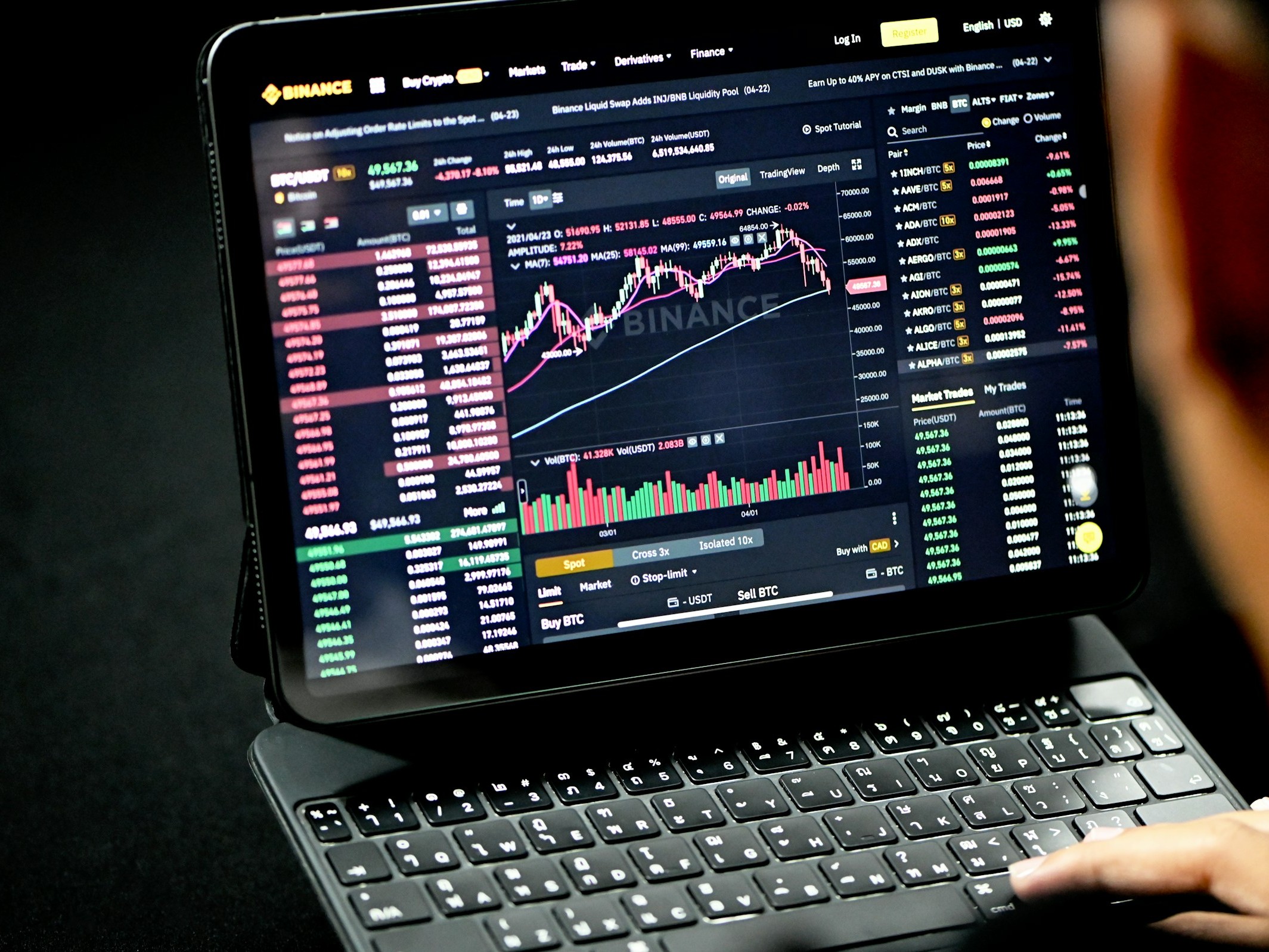
Failure in small-account options trading is rarely about bad luck or a broken strategy. The pattern is almost always the same: a trader with real potential runs out of capital before their skills have time to develop, and the account closes before the lesson lands.
They Try to Compress Years of Growth Into a Few Trades
The pressure starts early. A trader earns a solid 15% return on a $2,000 account and realizes that translates to $300. That gap between percentage performance and dollar reality creates a dangerous impatience. Instead of building on the process, they start hunting for the trade that skips the line, usually a short-dated, out-of-the-money contract that needs near-perfect timing to pay off. The account stops being a training ground and becomes a lottery ticket.
What starts as ambition quietly becomes dependency on high-risk bets. The repeatable process disappears, replaced by a search for the single trade that finally makes the math feel worth it.
They Over-Allocate to a Single Position
When capital is limited, traders often feel that measured positions are a luxury they cannot afford. So they put 20, 30, sometimes 50 percent of their account into one setup because they believe, deeply, that this one is different. The problem is that even high-probability setups fail regularly. A trader who risks half their account on one idea has not found conviction; they have found a faster way to exit the game. The market does not reward belief. It rewards survival.
They Confuse Low Price With Good Value
A common pattern emerges across beginner accounts: the trader filters for the cheapest available contracts and calls it capital efficiency. What they are actually selecting for is a low probability of success, a short time to expiration, extreme sensitivity to time decay, and dependence on a large, fast move in the underlying asset.
According to Option Alpha, options traders who risk more than 5% of their account on a single trade dramatically increase their chance of ruin, and cheap contracts almost always pull traders toward exactly that kind of oversized, low-probability bet. Affordable entry and high expected value are not the same thing, and confusing them is one of the most expensive habits a small-account trader can develop.
They Underestimate What It Takes to Win
Being right about direction is not enough. An option requires the trader to be correct about direction, timing, and the magnitude of the move, all at once. A stock can move exactly as expected and the option can still lose value if the move happens too slowly. This is where time decay quietly drains small accounts even when the market analysis is sound. Theta does not care how good your thesis is.
They Chase Income Before They Understand Risk
The failure point is usually a misplaced priority. A beginner hears about weekly income from options, skips the foundational work on position sizing, probability, and trade management, and immediately tries to extract returns from an account that has not yet earned that right. The account becomes a tool for generating income before the trader has built the skills to protect capital. The market rewards risk management first. Income is what follows, not what leads.
Most traders who approach prop firm evaluations with this mindset run into a hard wall fast. They select a firm based on profit targets and payout splits without first asking whether the firm's drawdown rules, position limits, or trading restrictions actually support an options-based approach. The best prop trading firms can be compared against those specific structural criteria before a trader commits capital to an evaluation, which shifts the selection process from guesswork to something more deliberate.
They Mistake Leverage for an Edge
Leverage does not create opportunity. It amplifies whatever already exists. Good decisions become more impactful, and bad decisions become more costly, at exactly the same rate. A trader without a genuine edge who uses leverage is not accelerating growth; they are accelerating the timeline to a depleted account. The mechanics of options make this easy to miss because the numbers feel small. A $200 contract controlling 100 shares of a $150 stock looks manageable right up until it does not.
They Run Out of Capital Before Their Skills Catch Up
Tradeciety reports that only 1% of day traders can consistently profit net of fees, and the gap between that 1% and everyone else is rarely about intelligence or market insight. It is about duration. Skill in trading develops through repetition, review, and exposure to different market conditions over time.
A trader who takes excessive risk burns through capital before that development can happen. The tragedy is not the mistakes. The tragedy is losing the ability to keep making them, because mistakes are how this skill gets built.
The Irony That Defines Most Small-Account Failures
Options exist, in part, to help traders control risk with less capital. Defined-risk structures, capital-efficient exposure, flexible position sizing: these are the actual advantages. The traders who fail tend to use those same mechanics to do the exact opposite.
They take more risk than their account can support, chase faster growth than their process can justify, and apply leverage before they have developed the discipline that makes leverage useful. The issue is rarely the size of the account. It is the pressure to make a small account behave like one ten times larger.
Related Reading
How to Trade Options on a Small Account in 12 Ways
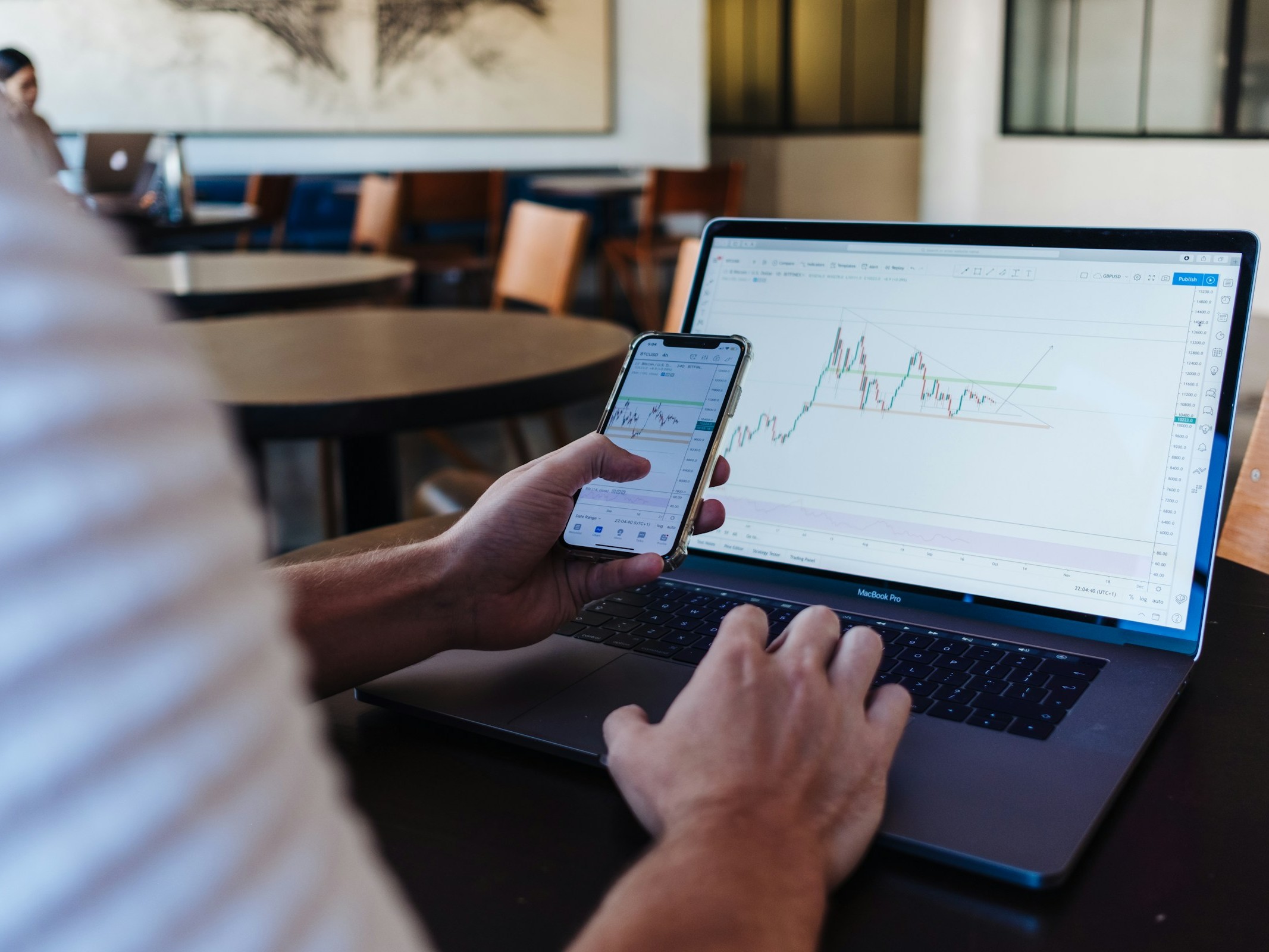
Surviving long enough to get good at this is the actual goal. That framing changes everything about how you approach a small account.
1. Prioritize Account Survival Over Account Growth
The first question most traders ask is how fast they can double their account. The better question is whether they will still be trading six months from now. A small account has almost no margin for catastrophic mistakes, which means protecting capital is not a conservative instinct; it is the only mathematical path forward.
You cannot compound capital that no longer exists.
2. Keep Position Risk Small and Deliberate
The failure point is usually not a bad strategy. It is a correctly identified setup with a position size that turns a manageable loss into a devastating one. Keeping individual trades to 1-5% of total account value gives you the runway to survive losing streaks without suffering drawdowns that are mathematically difficult to recover from.
A losing streak is not a sign your strategy is broken. It is a normal part of trading. The traders who survive them are the ones who sized their positions so that a streak of five losses still leaves them in the game.
3. Use Defined-Risk Strategies Before Anything Else
Debit spreads, credit spreads, and vertical spreads all share one critical feature: you know your maximum loss before the trade begins. For a small account, that is not a minor convenience. It is the structural difference between a bad week and a blown account.
A single unexpected gap move in an undefined-risk position can erase months of careful, consistent work. Defined-risk structures prevent that from happening by design, not by luck.
4. Stop Filtering for the Cheapest Contracts
The same pattern surfaces repeatedly among traders who struggle with small accounts: they sort options by price and buy whatever costs the least. What they are actually selecting for is low probability, aggressive time decay, and a requirement for a large, fast price move just to break even.
Cheap contracts are not capital-efficient. They are lottery tickets dressed up as trades. The better filter is the quality of the setup within your risk limit, not the lowest available premium.
5. Give Positions Enough Time to Develop
Traders often lose not because their directional read was wrong, but because they bought contracts so close to expiration that time decay destroyed the position before the move materialized. Buying options with 30 to 60 days until expiration gives your analysis room to play out without having to fight the clock simultaneously.
Short-dated options feel cheaper. They are not. You are paying for the same exposure with far less time for the trade to work, which is a worse deal at almost every probability level.
6. Trade Only Liquid Underlyings
Wide bid-ask spreads are a hidden tax on every trade a small account makes. When you buy an option with a $0.30 wide spread, you are already down $30 per contract before the market moves a single tick. On a small account, that friction compounds quickly.
Sticking to highly liquid stocks and ETFs with tight spreads means more of your capital is actually working rather than being transferred to market makers on entry and exit. Liquidity is not glamorous, but it is one of the most direct ways to protect a small account from unnecessary erosion.
7. Build the Trading Plan Before Entering the Position
Most traders know where they want to get in. Far fewer decide in advance where they will exit, where they will take profits, and at what point they will cut the loss. Without those levels defined before the trade opens, every exit decision becomes an emotional one made under pressure.
A trade without a plan is not a trade. It is a position you will manage by feel, which is consistently the most expensive way to trade.
8. Scale Position Size Only After Proven Consistency
The most common way traders destroy a small account after a good run is by increasing size before their process has earned that increase. A few winning trades feel like confirmation. They are not. They are a sample size too small to mean anything statistically.
The right sequence is one contract, then two, then three, but only after demonstrating consistent results at the current size. Scaling should follow proof, not optimism.
Checking Prop Firm Rules Before Funding an Options Strategy
Most traders approach prop firm selection the same way: they pick a challenge that looks affordable and assume the rules will accommodate their strategy. The hidden cost is that many prop firms ban options strategies outright, restrict overnight holds that defined-risk spreads often require, or impose drawdown rules that punish the kind of measured, multi-day positions small-account options traders rely on.
Best prop trading firms from TradingPilot that support options trading have specific structural requirements, and comparing those rules before committing evaluation capital is the decision that determines whether your strategy has any room to breathe inside a funded account.
9. Track Performance Metrics Before Committing More Capital
Win rate, average gain, average loss, maximum drawdown, and position sizing consistency are not metrics you track to feel organized. They are the evidence base that tells you whether your strategy is actually working or whether you have been lucky. Without that data, scaling up is guesswork.
The market charges tuition on every trade, whether you learn from it or not. Tracking these numbers is how you make sure the tuition is buying you something useful.
10. Focus on Repeatable Gains, Not Account-Changing Trades
The traders who consistently grow small accounts are not the ones who found one perfect setup. They are the ones who executed the same sound process repeatedly across dozens of trades. NerdWallet's options trading guide notes that options expire worthless approximately 35-40% of the time, which is part of why premium-selling strategies built around consistent, smaller gains can be more durable for small accounts than chasing large directional wins.
Consistency compounds. A 3% gain, repeated reliably over a year, builds an account. A 30% gain followed by a 25% loss does not.
11. Learn From Losses Instead of Recovering From Them
After a loss, the instinct is to get the money back. That instinct is one of the most dangerous forces in small-account trading. Recovery trading accelerates losses because it is driven by emotion rather than process, and it almost always entails taking on more risk than the situation warrants.
The productive response to a loss is a specific set of questions: was the setup valid, was the risk sized correctly, and what should change going forward? That analysis is what builds a better trader. Chasing the lost capital just builds a smaller account.
12. Practice the Process Before Scaling Real Capital
Proving that your approach works at a small size before committing larger capital is not timidity. It is the only rational way to know whether your edge is real or whether you have been trading in favorable conditions without realizing it.
Track your results for at least 20 to 30 trades before increasing exposure. If the numbers hold up across that sample, you have something worth scaling. If they do not, you have saved yourself from a much more expensive lesson.
How to Choose the Right Options Trading Platform in 10 Ways

The platform you trade on shapes every decision you make after the order button appears. A weak platform doesn't just slow you down; it actively works against you by hiding risk, complicating exits, and making position management harder than it needs to be. Choosing the right one is a structural decision, not a preference.
1. Prioritize Risk Analysis Tools Over Marketing Features
Many small-account traders lose money not from bad ideas, but from incomplete information at the moment of entry. The platform you use should show you maximum profit, maximum loss, breakeven points, and total portfolio exposure before you commit a single dollar. If that information requires three clicks to find, the platform is designed for someone else's goals, not yours.
2. Look for Strategy Analysis Capabilities
When capital is limited, every trade needs to carry its weight. A capable platform lets you compare multiple option strategies side by side, so you can evaluate whether a debit spread, a vertical, or a simple directional play gives you the best risk-reward ratio for that specific setup. Choosing a structure because it's cheap is not a strategy; it's a guess dressed up as one.
3. Choose a Platform That Helps You Avoid Oversizing Positions
The failure point is usually not the trade itself; it's the size. Look for platforms that surface position sizing relative to total account value, so you can see at a glance whether you're allocating 3% or 30% to a single idea. The market does not reward confidence; it rewards discipline.
4. Make Sure It Supports Efficient Trade Management
Placing the trade is the beginning, not the finish line. Options positions often need to be rolled, adjusted, or closed before expiration as conditions shift, and a platform that makes those actions slow or confusing will cost you money in ways that never show up cleanly on a trade log. Execution flexibility is a risk management tool, not a convenience feature.
5. Focus on Execution Quality
A few cents of slippage per contract sounds trivial until you run the math across 30 trades on a $3,000 account. Top-rated brokers, including Robinhood, Fidelity, and Webull, require a $0 account minimum, which removes one barrier entirely. But zero minimums mean nothing if the platform's fill quality quietly erodes your edge trade by trade.
6. Look for Real-Time Portfolio Monitoring
The same issue surfaces in small-account trading again and again: traders watch individual positions closely while ignoring what those positions are doing to their total risk exposure. A strong platform shows you how your open trades interact, not just how each one looks in isolation. Discovering you're overexposed after a gap-down open is not a lesson; it's a tuition payment.
Why Platform and Prop Firm Fit Matter
Most traders approach platform selection the way they approach broker selection: they look for the lowest fees and the cleanest interface, then move on. That works fine until they need to manage a position under pressure and realize the tools aren't there.
Traders who use the best prop trading firms to evaluate funded account structures before committing capital face a similar decision point: the firm's ruleset, drawdown limits, and trading restrictions either support how you actually trade or they quietly work against you. Picking the wrong firm is structurally identical to picking the wrong platform.
7. Choose a Platform That Supports Learning and Improvement
The best traders don't just track wins and losses; they track why. Platforms that provide detailed trade history, performance analytics, and pattern recognition across your own activity help you identify what's actually working versus what you've been lucky about. Most traders don't fail from one bad trade; they fail from repeating the same structural mistake across dozens of them without ever seeing the pattern.
8. Avoid Platforms That Add Unnecessary Complexity
Complexity is not sophistication. A cluttered interface slows down risk evaluation, makes position monitoring harder, and introduces decision fatigue at exactly the moments when clarity matters most. When capital is limited, a mistake caused by a confusing interface carries the same cost as one caused by poor analysis.
9. Look for Tools That Help You Evaluate Trades Before Entering
Before risking capital, you should be able to model how a trade performs across multiple price scenarios, not just the one you're hoping for. Platforms such as TradingPilot provide tools for analyzing options positions, evaluating strategy structures, and monitoring risk both before entry and throughout the life of the trade. The traders who consistently lose money on structurally sound ideas are usually the ones who never test what happens if the underlying moves sideways or against them by 5%.
10. Choose a Platform That Helps You Protect Capital First
The right platform for a small account is not the one offering the most leverage or the widest selection of exotic instruments. It's the one that helps you make clearer decisions, surface risks earlier, and avoid the structural mistakes that quietly compound over time. Small-account success is not about finding more trades; it's about making better use of the ones already in front of you while keeping your account intact long enough to act on them.
How to Make a Small Options Account Last Long Enough to Grow
Surviving long enough to grow is the real game. Most small-account traders lose not because their strategy was wrong, but because their capital ran out before their process had time to prove itself. The account didn't fail. The timeline did.
If you're serious about giving your account a real chance, the most practical next step is finding a prop firm whose ruleset actually fits how you trade. Most traders skip this and pay for it later, discovering mid-challenge that overnight holds are banned, or that drawdown limits conflict with how they size positions.
Best prop trading firms like those compared on TradingPilot let you filter by evaluation type, drawdown structure, and trading restrictions before you commit capital, so the firm's rules work with your strategy instead of quietly against it. That alignment is what separates traders who scale from traders who restart.
Related Reading
-
Futures Brokers With Low Intraday Margin
-
Crypto Trading With Leverage
-
Best Futures To Day Trade
-
Best Crypto Leverage Trading Platforms